

Bullets:
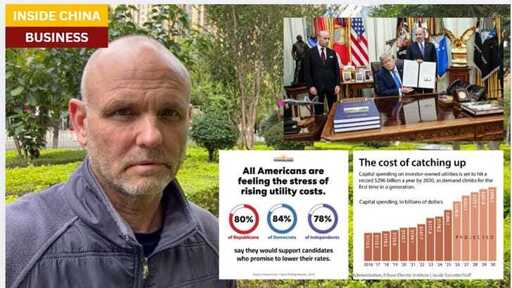
President Trump signed a sweeping Executive Order, that bans the import or installation of bulk power equipment from China.
The EO is wreaking havoc in the power generation industries, and project developers are halting projects, pending federal clarification of the new rules.
Chinese firms have effective monopolies in most of the supply chains across power generation, and any American company faces severe risks and penalties if they source components, parts, technology, or hardware from China.
US utilities are struggling to keep up with surging demand for electricity, driven mostly by AI data centers. They have budgeted hundreds of billions of dollars to catch up.
But the new rules not only threaten new builds; companies that installed Chinese-sourced parts before the EO may be required to replace them.
Inside China / Business is a reader-supported publication. To receive new posts and support my work, consider becoming a free or paid subscriber.
Report:
Good morning.
In August, President Trump declared a national emergency and signed an Executive Order that bans the imports of power generation equipment from China, used in bulk power. The White House says that abundant, reliable electricity is important, but there are almost no restrictions on where the equipment comes from. The United States is reliant on foreign countries for electric equipment, and that makes for national security risks and vulnerabilities in the supply chains.
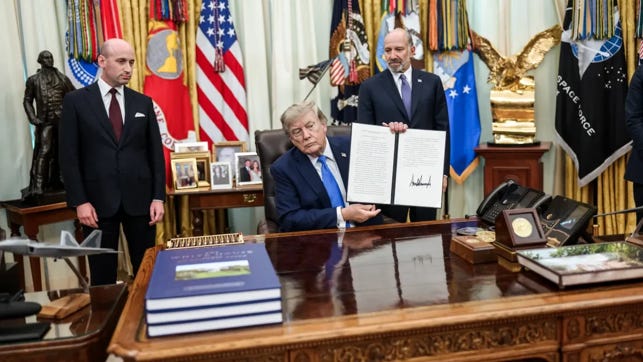
That “constitutes an unusual and extraordinary threat” to national security, and to the economy. What follows next is broad—“acquisition, importation, transfer, or installation” of any foreign-produced bulk-power system electric equipment, by anyone, anywhere, if the equipment comes from a country on this list:
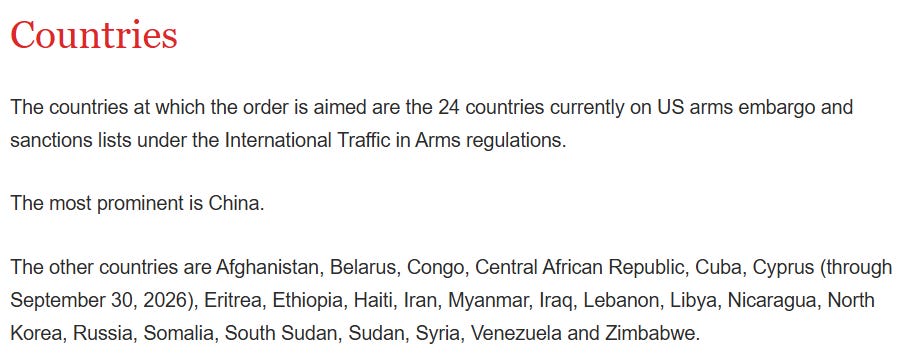
The Order does not name China, explicitly—it’s twenty-four countries, 23 of whom don’t export that gear to the United States anyway. So the target of the EO is clear.
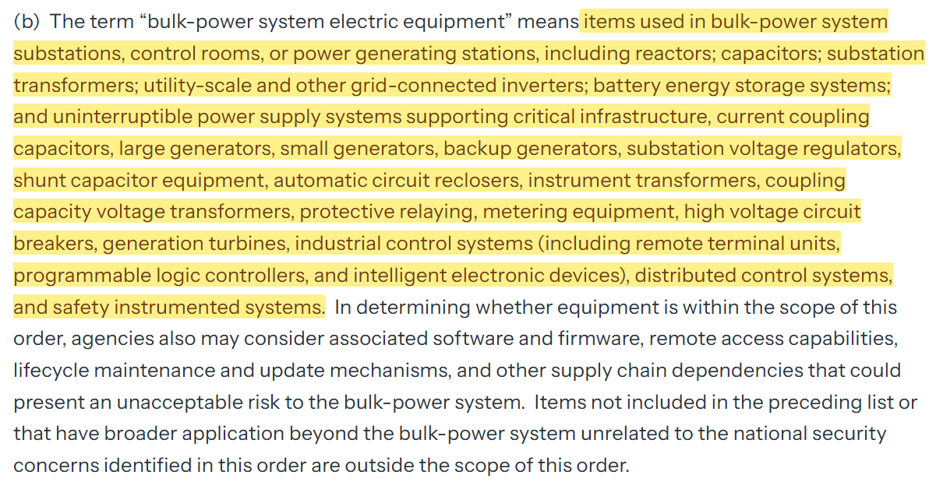
The EO covers equipment, any critical component, software, firmware, digital or maintenance or remote access services designed or developed or manufactured or supplied by anyone in those countries. Then the scope expands even further, to cover equipment acquired or installed before the order was signed, with requirements to “identify, isolate, monitor, secure, disconnect, replace, or remove” the gear. The White House orders that “as soon as possible” all the equipment supplied in those countries of interest is identified, and to get rid of it. The list of what meets the definition of “equipment” doesn’t leave much out—it’s everything:
This comes at a time when power station developers cannot keep up with new demand, and complain that legal and bureaucratic delays aren’t helping things at all. The Artificial Intelligence industry needs electricity to run all their data centers, some of which are already delayed because of a shortage of equipment.
But insiders point to “regulatory and infrastructure choke points” that slow construction times, and prevent them from bringing new power sources online.
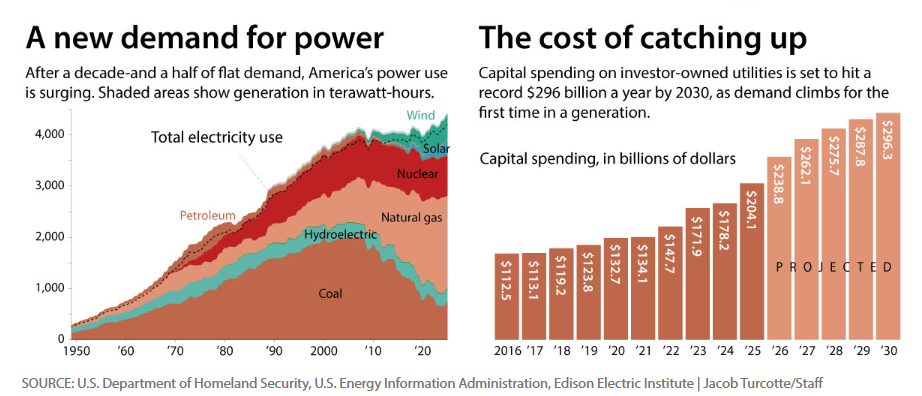
Utilities are budgeting hundreds of billions of dollars to catch up, and need government out of the way to make that go.
What’s more, the energy complex in the United States needs to be overhauled. That’s to say that not only is more power needed, but the existing grid needs updating. 70% of the power transformers in the United States are more than 25 years old, and the US suffers more power outages than other developed economies.
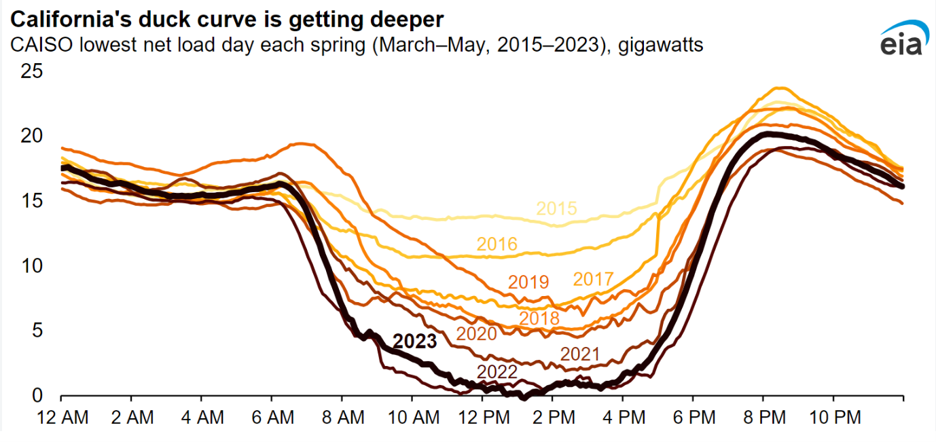
Solar and wind power are coming online, and those power sources are dependent on battery storage, so the energy can be released to the grid when electricity demand goes up. In six years, battery storage in California increased by 20 times, and battery power is a top source of energy at nighttime:
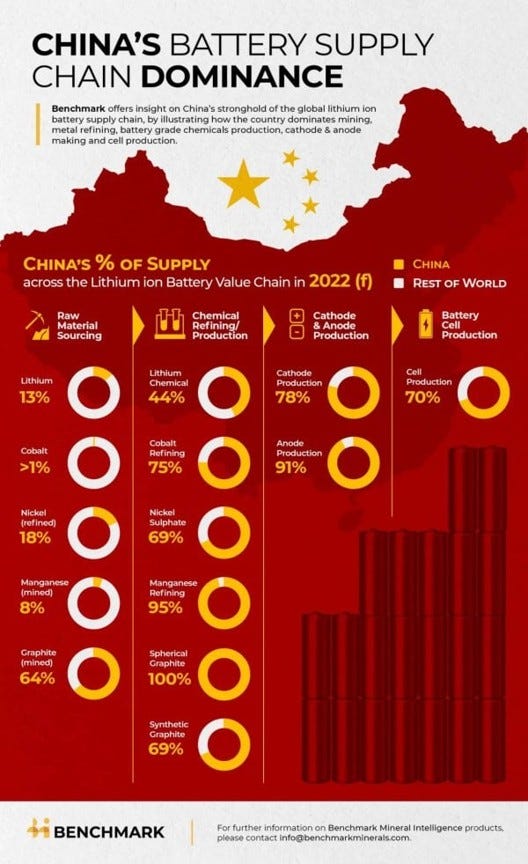
Batteries and battery storage were specifically included in Trump’s Executive Order, and 80% of all the batteries in the world are made in China. The numbers for the battery components are even worse—85% of cathodes, over 90% of anodes, and almost all the refining. The federal government gave $500 million to seven companies who are hard at work “to reduce reliance on Chinese supply chains”.
Nobody expects American companies to be able to ramp up to produce the equipment soon, let alone at the scale that is necessary, so prices are going up for the companies that do get put on the Approved Vendor list the cabinet secretaries are putting together. Many years and many billions of dollars are required to replicate China’s supply chain, so it’s a boon to the small handful of companies that do make this gear.
But project developers need equipment now, Trump’s Executive Order says that they’re not allowed to get it from the country that makes most of it. On the Chinese side, it is a serious blow to lose the American market. But it’s a more serious problem for project developers, who will simply suspend projects until the equipment can be sourced by domestic producers. Even the developers who have already bought the equipment will wait to install it, in case they just have to rip it out later.
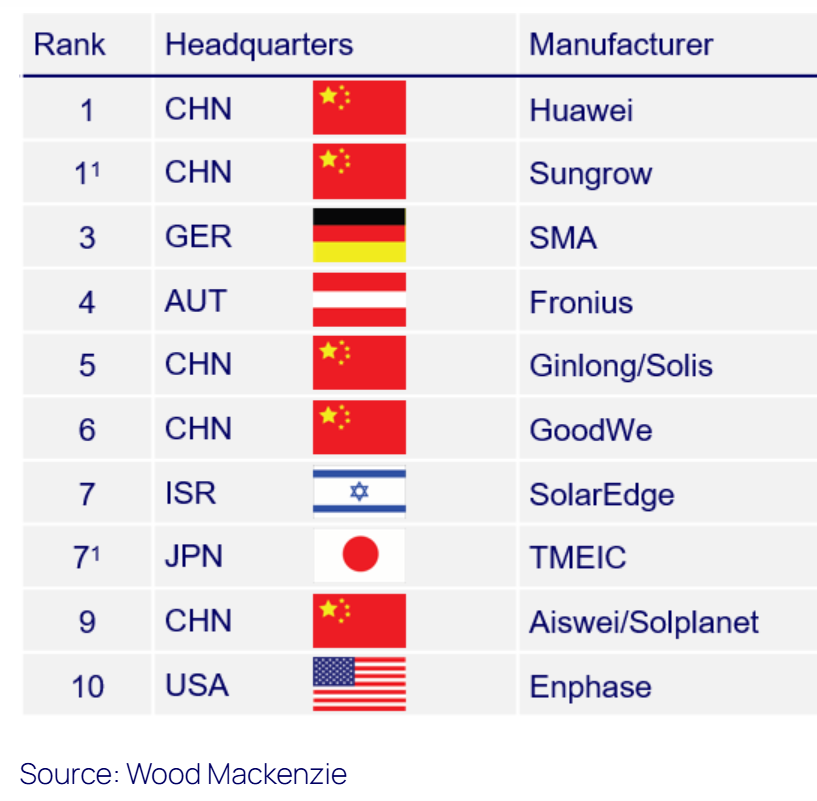
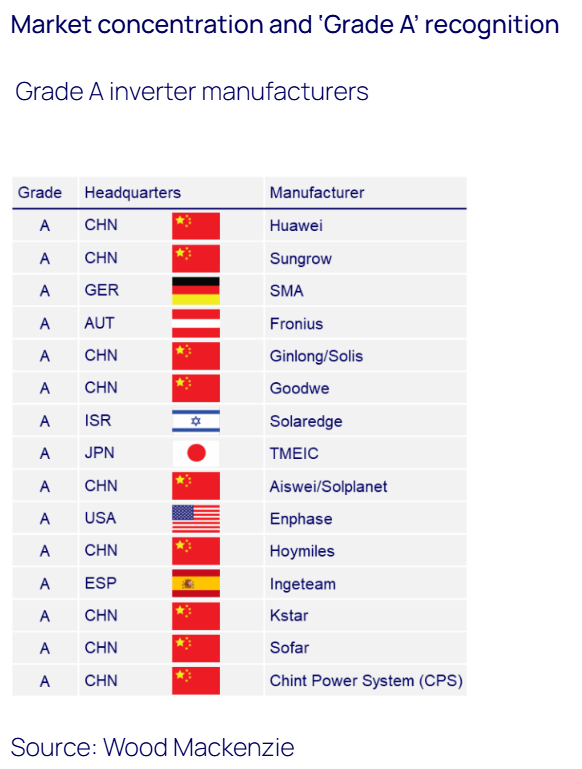
Just looking at one category: solar inverters. Chinese companies are five of the top nine global suppliers, and four of the top six. Woods Mackenzie has a proprietary benchmark for manufacturers in the space, and 15 companies globally got an “A”. The firms “demonstrate consistent and verifiable performance”, and the A-rated manufacturers conform to global procurement standards, and serve as a signal to suppliers. Nine of those 15 top-rated companies are Chinese:
Legal experts are weighing in, and everyone is reaching the same conclusion: work needs to stop, right now, until the industry gets more clarity about what the new rules are, and that won’t happen soon. Billions of dollars in sourcing contracts are at risk, including on equipment that has already been installed, and so anyone developing projects that requires—again—any equipment that moves or stores energy should wait 120-180 days for Washington to explain what the rules say and the legal risks for any company that buys something from a Chinese factory.
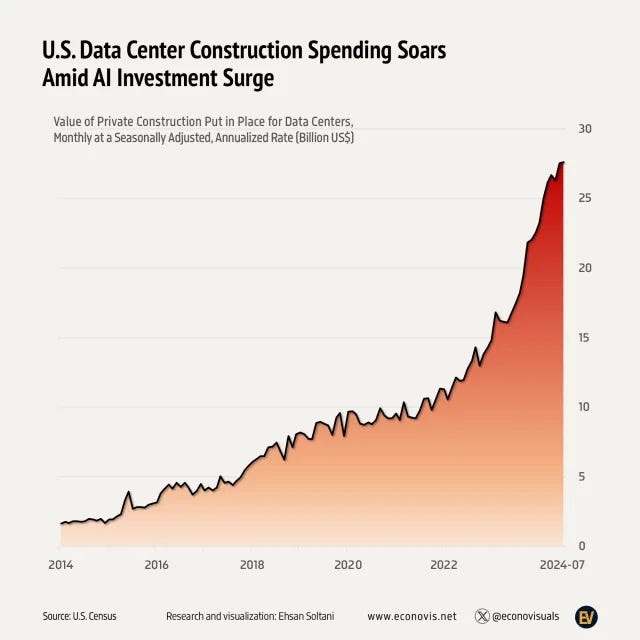
It doesn’t matter that power demand is surging, and it matters not how much money the hyperscalers are throwing at new power projects to get their data centers finished and turned on. Developers have a choice now between buying equipment that may be banned later, or delay the projects and figure out how to cover their bills while construction is stopped.
There’s not much for them to do, given those supply chain monopolies China has on most of the gear, so the industry will shut down at least through the holiday season, while everyone agrees that it’s crazy to make any big decisions or purchases right now.
Insiders point out that the Executive Order is very broad in scope, but still is unclear in lots of ways. For example, the effect on master supply agreements, or change orders. The order seems to apply to contracts entered into before August 26th, if the equipment is yet to be delivered, but nobody knows for sure. But any company that does business with any Chinese manufacturer or supplier is at risk of the federal government showing up later to demand it be ripped out.
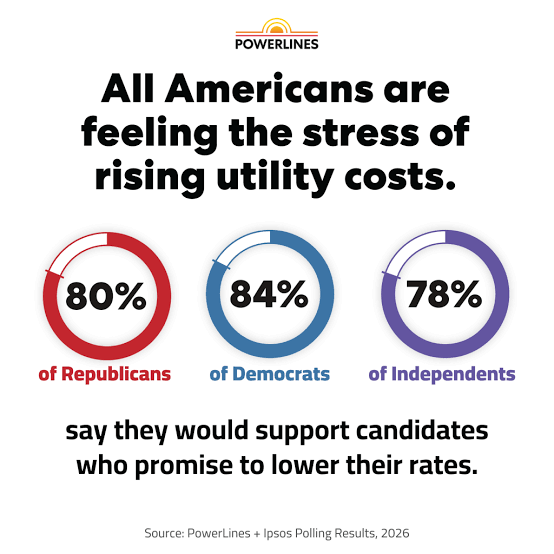
This all sounds terrible for households and small businesses who are straining under high power bills, and very bad for project developers with hard contract deadlines to bring new facilities online. But Christmas came early for lawyers and consultants, and construction companies are already staffing up with top-drawer legal and lobbying talent to muddle through.
There are a lot of ironies here. Let’s remember that for the developers of power projects, their biggest challenge before Trump came along, was the high degrees of regulation, which drove up their compliance costs, and slowed them down. And the first week on the job, the second time, Trump issued an Executive Order that struck many of those regulations down.
20 January 2025: The president orders an immediate review of existing regulations, orders, policies, and agencies that imposed undue burdens on the development of domestic energy sources, and to immediately formulate plans to junk them as soon as possible.
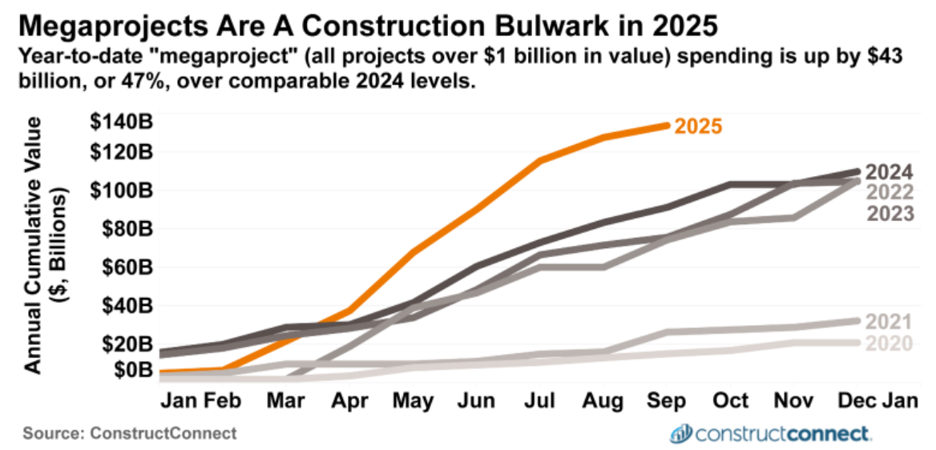
Those changes are what turbo-charged the boom for new factories and data centers. The regulatory roadblocks were cleared away, and hundreds of billions of dollars poured in.
But it goes without saying that factories need power to run. Nvidia chips need power to run. And power project developers need Chinese equipment to produce power. This latest Executive Order blows up that entire investment theme. Construction has stopped. And that’s ironic too, because Trump himself believes that data center development is the only thing keeping the United States out of recession.
Be Good.
Resources and links:
DECLARING A NATIONAL EMERGENCY TO SECURE
THE UNITED STATES BULK-POWER SYSTEM
https://www.whitehouse.gov/presidential-actions/2026/08/declaring-a-national-emergency-to-secure-the-united-states-bulk-power-system/
The US needs more electricity. Can the grid deliver?
https://www.csmonitor.com/Business/2026/0804/electricity-prices-grid-expansion-backlog
Aging Electric Infrastructure in the United States
https://interpro.wisc.edu/aging-electric-infrastructure-in-the-united-states/
Trump’s power equipment ban: US BESS market implications and the supply chain dilemma
https://www.energy-storage.news/trumps-power-equipment-ban-us-bess-market-implications-and-the-supply-chain-dilemma/
Trump’s Grid Battery Ban Leaves Developers Guessing
https://oilprice.com/Energy/Energy-General/Trumps-Grid-Battery-Ban-Leaves-Developers-Guessing.html
California’s electricity duck curve is deepening
https://pv-magazine-usa.com/2023/07/05/californias-electricity-duck-curve-is-deepening/
Visualizing China’s Dominance in Battery Manufacturing (2022-2027P)
https://elements.visualcapitalist.com/chinas-dominance-in-battery-manufacturing/
Power Play: New Executive Order Targets Electrical Grid Equipment
https://www.crowell.com/en/insights/client-alerts/power-play-new-executive-order-targets-electrical-grid-equipment
Trump curbs on China-linked equipment threaten US clean-energy projects
https://asia.nikkei.com/business/energy/trump-curbs-on-china-linked-equipment-threaten-us-clean-energy-projects
Trump Bans More Power Equipment
https://www.projectfinance.law/publications/trump-bans-more-power-equipment
Trump grid order likely to cause energy storage delays, cancellations: BloombergNEF
https://www.utilitydive.com/news/trump-grid-order-likely-to-cause-energy-storage-delays-cancellations-bloo/829306/
Trump emergency order casts uncertainty over grid battery growth
https://www.canarymedia.com/articles/batteries/trump-emergency-order-grid-battery-growth
Bulk-Power System Order: What Utilities and Industry Players Need to Know
https://www.cooley.com/news/insight/2026/2026-09-16-bulk-power-system-order
Huawei and Sungrow lead global solar inverter market share in the first half of 2025, Wood Mackenzie says
https://www.woodmac.com/press-releases/solar-inverter-ranking-h1-2025/
Unleashing American Energy
https://www.whitehouse.gov/presidential-actions/2025/01/unleashing-american-energy/
“Power Supply Cannot Keep Up”: US AI Data Center Expansion Hits Limits as Construction Delays and Local Restrictions Intensify
https://economy.ac/news/2026/07/202607289582
U.S. Data Center Construction Spending Soars Amid AI Investment Surge
https://www.voronoiapp.com/technology/-US-Data-Center-Construction-Spending-Soars-Amid-AI-Investment-Surge-2426
Americans report rising utility bills as $9.4B in new rate increase requests are filed
https://therealwv.com/2026/05/21/americans-report-rising-utility-bills-as-9-4b-in-new-rate-increase-requests-are-filed/
How Much Room Does Industrial Spending Have Left to Run?
https://news.constructconnect.com/how-much-room-does-industrial-spending-have-left-to-run
The real reason for Trump’s pedal-to-the-metal approach on AI
https://www.cnn.com/2026/09/18/economy/trump-ai-economy
Inside China / Business is a reader-supported publication. To receive new posts and support my work, consider becoming a free or paid subscriber.
From Inside China / Business via This RSS Feed.