

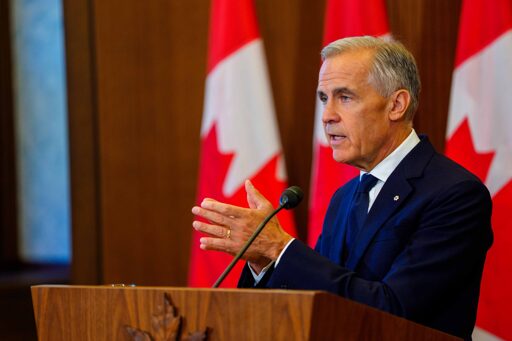
When the Canadian government earlier this year shut down its independent watchdog responsible for investigating alleged human rights abuses including environmental pollution by Canada-based companies operating overseas, it promised that a little-known office called the National Contact Point would take over that work. But critics say the National Contact Point, which has operated for more than a quarter of a century, lacks the powers and independence needed to fill the gap. The recently shuttered office of the Canadian Ombudsman for Responsible Enterprise (CORE) was set up to evaluate complaints about alleged human rights abuses by Canadian companies operating abroad in the garment, mining, and oil and gas sectors. Two months into Mark Carney’s tenure as Canada’s prime minister, the position became vacant. Carney never appointed a new ombudsperson. CORE languished for more than a year without a leader, unable to proceed probing complaints. Carney then declared it was ineffective and eliminated the office in June. Global Affairs Canada, the country’s foreign ministry, which oversaw CORE, said in a statement that “a decision has been taken to permanently streamline the CORE Ombudsperson’s work into other functions with stronger track records of effectiveness, including the National Contact Point.” But those who have followed the National Contact Point’s 26-year history disagree about its effectiveness. Only three of the 33 cases submitted to the National Contact Point (NCP) since 2000 have reached a formal joint agreement; in one of the cases, it was the NCP of another country that led the case. Even then,…This article was originally published on Mongabay
From Conservation news via This RSS Feed.
he has to serve the corporate overlords while placating those of us who want better for everyone