

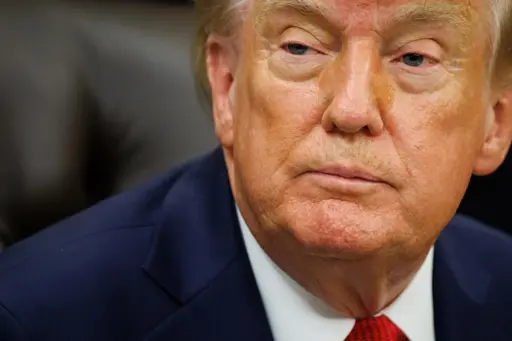
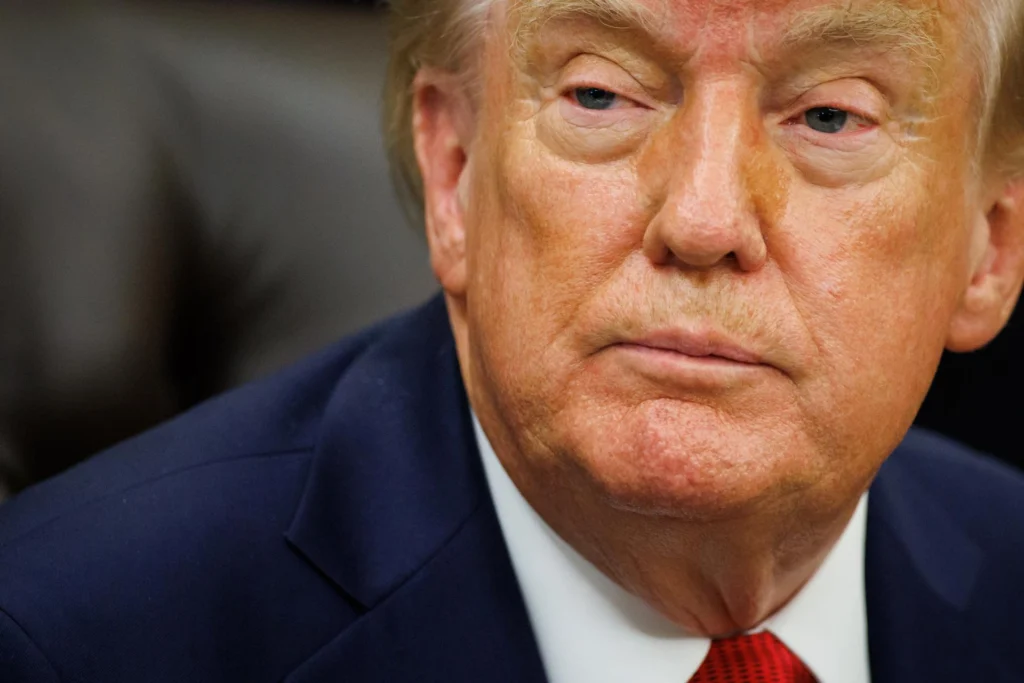
U.S. President Donald Trump announced Friday that he is immediately barring CNN, MS NOW and Politico from White House facilities, citing what he called their recurring spread of fake news -the latest move in a broader pattern of friction between his administration and the press.
The U.S. President Donald Trump has announced an immediate ban on three major news outlets from accessing the White House.
The move, which targets CNN, MS NOW, and Politico, has sparked widespread concern about press freedom and the administration’s relationship with the media.
RELATED: Trump Closes Kennedy Center After Court Blocks Renaming
Trump, through a statement on Truth Social, accused the outlets of disseminating false information and distorting coverage of his administration. He warned that more media outlets could face similar restrictions in the coming weeks. The decision comes as a surprise to journalists who were working at the White House when the announcement was made.
This is not the first time Trump’s administration has taken action against media outlets. Earlier, the Associated Press faced restrictions due to disagreements over the naming of strategic geographical areas. Trump has repeatedly criticized the credibility and audience reach of the banned outlets, insisting that they should not publish fictional narratives about his administration’s actions.
The move has drawn criticism from press freedom advocates and communication analysts. They view it as an attempt to censor independent journalism and undermine public oversight. The revocation of press credentials for these outlets sets a concerning precedent for the future of press freedom in the United States.
Impact on Press Freedom
Organizations defending press rights have expressed deep concern over what they see as a direct attempt by the state to censor independent journalism. Communication analysts warn that these bans could set a dangerous precedent for public oversight and the free exercise of freedom of expression.
The decision to ban these outlets from the White House has raised alarms about the administration’s commitment to transparency and open communication. Critics argue that by restricting access to credible news sources, the administration is undermining the public’s right to informed decision-making.
The ban on CNN, MS NOW, and Politico has also highlighted the ongoing tensions between the Trump administration and the media. These tensions have been simmering for years, with the president frequently accusing media outlets of bias and spreading false information. The latest move is seen as an escalation of this conflict, with potentially far-reaching implications for press freedom.
The ban has also sparked a debate about the role of the media in a democratic society. While some argue that the media should be held accountable for spreading false information, others see this move as a threat to the fundamental principles of a free press. The situation underscores the need for a balanced approach that ensures both accountability and freedom of expression.
The media outlets targeted by the ban have responded with statements condemning the move. CNN, MS NOW, and Politico have all issued statements asserting their commitment to accurate and unbiased reporting. They have also called on the administration to reverse the decision and restore their access to the White House.
The ban has also drawn reactions from other media outlets and journalists. Many have expressed solidarity with the banned outlets and called for a united front against what they see as an attack on press freedom. Some have also criticized the administration’s handling of the situation, arguing that it is a misguided attempt to control the narrative.
The situation remains fluid, with the potential for further developments. The administration has not provided a clear timeline for when or if the ban will be lifted. Meanwhile, the media outlets continue to report on the story, providing updates and analysis as the situation evolves.
Future Implications
The ban on CNN, MS NOW, and Politico from the White House has significant implications for the future of press freedom in the United States. It sets a concerning precedent for how the government can restrict access to information and undermine independent journalism. The situation highlights the need for vigilance and advocacy to protect the principles of a free press.
The move has also sparked a broader debate about the role of the media in a democratic society. While some argue that the media should be held accountable for spreading false information, others see this move as a threat to the fundamental principles of a free press. The situation underscores the need for a balanced approach that ensures both accountability and freedom of expression.
As the situation continues to unfold, it is clear that the ban on these outlets from the White House will have lasting implications for press freedom and the administration’s relationship with the media. The coming weeks will be crucial in determining how this conflict plays out and what it means for the future of journalism in the United States.
From teleSUR English via This RSS Feed.