

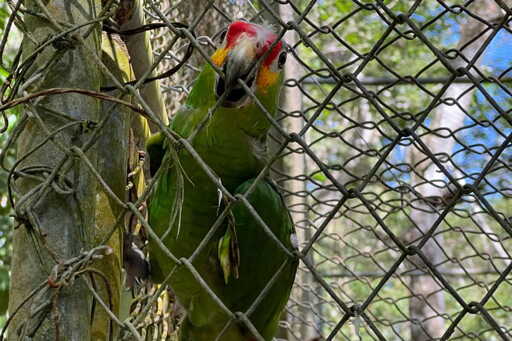
In India, the exotic pet trade is increasing the risk of zoonotic disease spillovers, as close contact with imported wild animals creates repeated opportunities for dangerous pathogens to jump to humans and vice versa, reports Mongabay India’s Arathi Menon. Dr. Rina Dev, an avian and exotic animal veterinarian in Mumbai who treats imported and seized wildlife, experienced the potential danger firsthand when she was hospitalized with a lung infection. “I hope it’s not something from the parrots I was treating,” Dev told Mongabay India after she was released from the hospital. Her concerns are warranted: diseases like avian chlamydiosis (psittacosis) are commonly contracted by people who handle birds, earning it the nickname “bird handler’s disease.” Dev noted that traded animals can carry a wide array of infections, including salmonellosis from reptiles, tuberculosis from primates, and avian influenza from birds. “Tuberculosis is increasingly being detected among primates, which is a big zoonotic concern,” she said. Uttara Mendiratta, a conservation researcher working on illegal wildlife hunting and trade, said disease transfer between humans and other primates is especially easy because we’re so closely related. Ebola and HIV can both pass from nonhuman primates to people, for example. Human diseases can also be deadly for wildlife. A global analysis revealed that traded mammals are 1.5 times more likely to share pathogens with humans than nontraded mammals. On average a traded species shares one additional pathogen with humans for every decade it’s traded. Additionally, a 2026 report by Humane World for Animals, a global…This article was originally published on Mongabay
From Conservation news via This RSS Feed.
What’s the zoonotic spillover risk of eating ass?