

The devastating floods in Nepal have claimed the lives of at least 1,403 people, with 6,150 still missing three weeks after the disaster.
The Nepal’s National Authority for Disaster Management and Risk Reduction (NDRRMA) confirmed on Wednesday that the death toll from the catastrophic floods and landslides that struck on August 26 has risen to 1,403.
The crisis remains critical in the districts of Rasuwa, Nuwakot, and Dhading, where at least 6,150 citizens are still unaccounted for. Despite the massive destruction of infrastructure and homes, emergency teams have rescued 13,742 people, while 2,096 affected individuals remain in 29 temporary shelters.
RELATED: China Sends Third Batch of Aid To Nepal With Medical and Communications Equipment
The geography of the disaster has added another layer of complexity, as the floods affected the border with China’s autonomous region of Tibet.
Families of the victims are calling for a joint cross-border search operation, urging the use of drones with thermal cameras, rescue dogs, and daily publication of maps clearly delineating inspected areas and those steep or ravine zones yet to be searched.
【尼方更新通报:至少1403人遇难、6150人失联;中方数据10天无更新:至少43人遇难、519人失联】据尼泊尔国家减灾应急管理局最新数据,截至当地时间9月16日19时,山洪泥石流灾害已发现1403具遇难者遗体(目前仅有104具完成身份确认,并已移交给其家属);而失联人数突然增加了1000多人(从5100多人增至6… https://t.co/81sUVPQc5L pic.twitter.com/hbDvyfzXHs
— 响亮新闻 (@resoundnews) September 16, 2026
The crisis has also taken an international dimension, with tourists from over two dozen countries reported missing. The Nepali government is working closely with international authorities to coordinate rescue efforts and provide support to affected families. The use of advanced technology, such as drones with thermal cameras and rescue dogs, is being urged to enhance the search and rescue operations.
Chilime Tunnel Rescue update: After several days of challenging hard work in clearing the slush and mud from the Tunnel, the Indian and Nepali teams were able to reach the power house this morning. Unfortunately they were not able to find any survivors. Mortal remains of 5… pic.twitter.com/rSWvJ9sW1q
— Naveen Srivastava, Ambassador of India in Nepal (@navsri6619) September 16, 2026
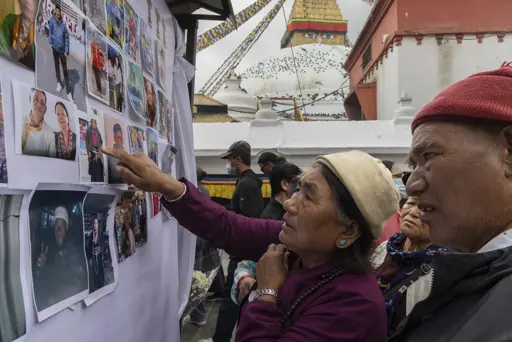
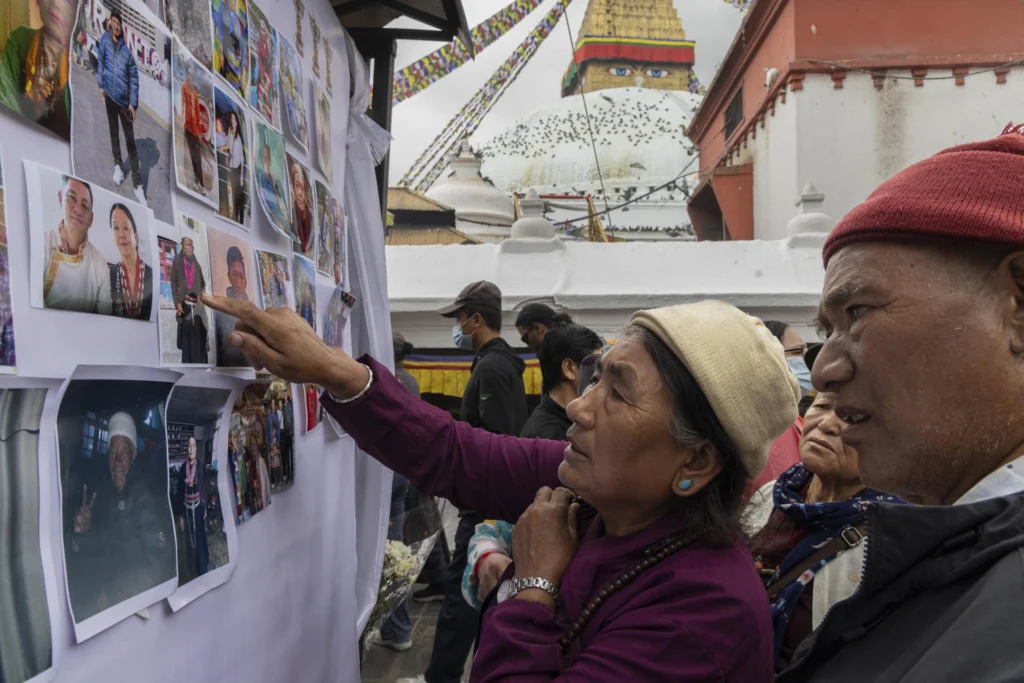
Three weeks after the disaster, families’ demands have taken a painful turn: they are no longer just requesting search operations, but official documentation confirming the status of their relatives. However, the Nepali government faces a legal hurdle: it cannot issue death certificates without prior identification of a body or medical confirmation in a hospital. To ease the situation and allow legal processes in their home countries, the Tourism Police has started issuing certificates declaring the missing as “incommunicado.”
The Nepali government, however, faces a legal obstacle, as it cannot issue death certificates without prior identification of a body or medical confirmation at a hospital. To ease the situation and allow families to pursue legal procedures in their home countries, the Tourist Police has begun issuing certificates formally classifying the missing as “unreachable.”
An International Crisis
The disaster’s geography has added another layer of complexity, since the floods struck the border with China’s Tibet Autonomous Region. Families of victims are calling for a joint cross-border search operation, urging the urgent use of thermal-camera drones, rescue dogs, and the daily publication of maps transparently showing which areas have been searched and which steep terrain or ravines remain unchecked.
The disaster has also taken on an international dimension. According to Tourist Police records, of the 795 tourists reported missing, 607 are foreign nationals from more than two dozen countries -led by India (189), the United States (65), Malaysia (55) and Ukraine (54)- while 188 are Nepali guides or travelers.
The search for other missing people, including Kazakh trekker Irina Blonskaya-who was leading a group of more than 60 tourists and local staff when she became trapped near the Rasuwagadhi pass- remains stalled by geopolitical barriers. Although helicopters and rescue teams prepared by the Nepal Mountaineering Association stand ready, aircraft have been unable to fly into the Bhotekoshi river valley, a militarized border zone requiring special permits from Nepal’s Interior Ministry, prompting relatives to seek urgent diplomatic intervention.
Dozens of foreigners are staying in small hotels in Kathmandu’s Thamel tourist district or independently visiting communities near Bauddha, continuing to gather information on the guides, drivers and travelers who made up the affected expeditions. Even as hope fades with each passing week, the lack of confirmed deaths keeps the search alive, with affected families saying they will not leave the mountainous region until they get certainty about their relatives’ fate.
From teleSUR English via This RSS Feed.