

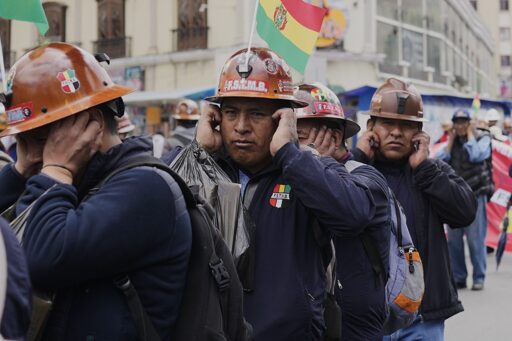
Bolivia recently began overhauling one of its principal mining laws, with the goal of modernizing the industry and improving oversight. Civil society and Indigenous groups have raised concerns about the process, but officials say the new mining code will promote economic development and include environmental protections. “We want a mining code that responds to the current needs of the sector, generates legal certainty, and establishes clear rules to support the development of Bolivian mining,” Marco Antonio Calderón de la Barca Quintanilla, the minister of mining and metallurgy, said in a statement. The ministry says it’s held weekly meetings with key mining stakeholders about their concerns and proposals for the new mining code. This month, their ideas were given to a technical committee to consider while drafting a preliminary bill, which will be delivered to the national legislature for approval. The government hasn’t announced when the bill will be completed. The current code was passed in 2014 and establishes the mechanisms for mining development, environmental oversight, and the participation of local and Indigenous communities, among other things. Updates will focus on strengthening mining rights, promoting investment, formalizing mining activity, and improving transparency, a ministry statement said. Updates will also involve “consolidating responsible environmental management.” The details of potential changes haven’t been finalized or released. But local reports said some ideas have included new tax and royalty structures, removing the 30-year limit on mining contracts to extend them indefinitely, and restructuring the ministry and other mining institutions. Other ideas include protections for…This article was originally published on Mongabay
From Conservation news via This RSS Feed.