


The left’s capacity to build knowledge, organization, and struggle was a central theme at this year’s ManiFiesta, introduced during a discussion of Peter Mertens’ new book, “The Last Days of the Old Normal“. In the context of Europe’s ongoing armament, these questions are crucial not only for progressive movements in core countries but also for those building alternatives in Central and Eastern Europe.
The festival featured several sessions examining developments in Central and Eastern Europe, including an intervention by Ukrainian sociologist Volodymyr Ishchenko on the class character of the Ukraine war. Another session – “East of the former wall: the AfD, the industrial crisis, and the war economy” – brought together Markéta Juřicová of the Czech party Levice, Orsolya Haboczki from the Hungarian progressive movement Szikra, German Bundestag representative Cem Ince from Die Linke, and Member of the European Parliament Marc Botenga from the Workers’ Party of Belgium (PTB-PVDA).
They discussed how the growth of the far right in core EU countries is interacting with events eastwards – and what lessons Western left movements can learn from their Eastern counterparts.
Read more: ‘Ukraine is no longer a sovereign country,’ says sociologist Volodymyr Ishchenko
As Juřicová and Haboczki pointed out, while movements in the West are worried about the popularity of parties like the Alternative for Germany (AfD), many nations in Central and Eastern Europe already have experience with far-right participation – even leadership – in government. More than 15 years of Viktor Orbán’s rule in Hungary, Haboczki noted, offers an important lesson on far-right governments’ economic agendas and tactics. As the Orbán administration used identity issues to capture opposition parties’ attention, it channeled resources into the hands of the local bourgeoisie and served transnational capital by securing huge state subsidies, she said.
Right-wing parties in Eastern Europe also look to their international peers for inspiration. In the Czech Republic, Juřicová said, the far right “loves” the AfD, picking and choosing many of the same topics the German group campaigns on. The discussion signaled this is particularly important to recognize as the growth of extreme right parties is fueled largely by popular dissatisfaction with mainstream parties’ programs.
Read more: Far-right victory in German state elections shocks the center
Ince emphasized this was the case in Germany, where a large share of AfD votes came from those believing the party would bring upheaval compared to the status quo, marked by massive job losses and cuts to welfare. But while European progressives recognize this, they still struggle to incorporate it into their programs, recent experiences show. Instead, many of them ponder attempts to prevent the far right from seizing institutional power by providing support to establishment parties, failing to shape a concrete alternative to both the mainstream and the extreme right.
In Central and Eastern Europe, the work of progressive parties is further complicated by the need to rebuild credibility after decades of vilification of socialism and austerity measures implemented by liberal options, Haboczki added.
Read more: “We cannot eat grenades once the grains no longer grow:” European peace movements organize against militarization
While recognizing workers’ material concerns in Central and East Europe is imperative for building local alternatives, the panel showed, it will also be necessary to build region-wide partnership to challenge topics dominating the narrative in Germany, Belgium, and other core countries.
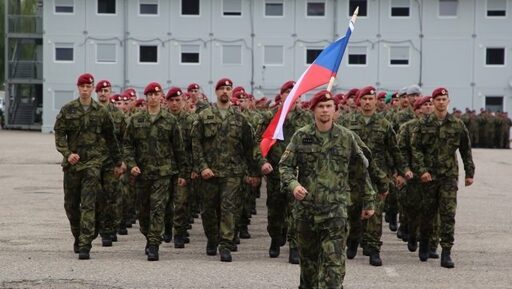
Militarization stands out among these topics, Botenga and Ince outlined in their interventions, though its implementation might differ by sub-region. Botenga added that German industry stands to gain the most from European armament, yet these gains will not trickle down to the working class – meaning the left in the region can find in anti-militarism a common cause to rally around.
Ince echoed these observations by emphasizing that, even as their profit lines stand to gain from billions of euros directed towards rearmament, German companies continue to shift significant parts of their operations to countries including Poland, Slovakia, and the Czech Republic – making most of eroded workplace protections and labor rights. This shows that the left across Europe must work together to protect workers’ interests everywhere, building a joint struggle for peace and civilian industry, he indicated.
From BT News via This RSS Feed.