

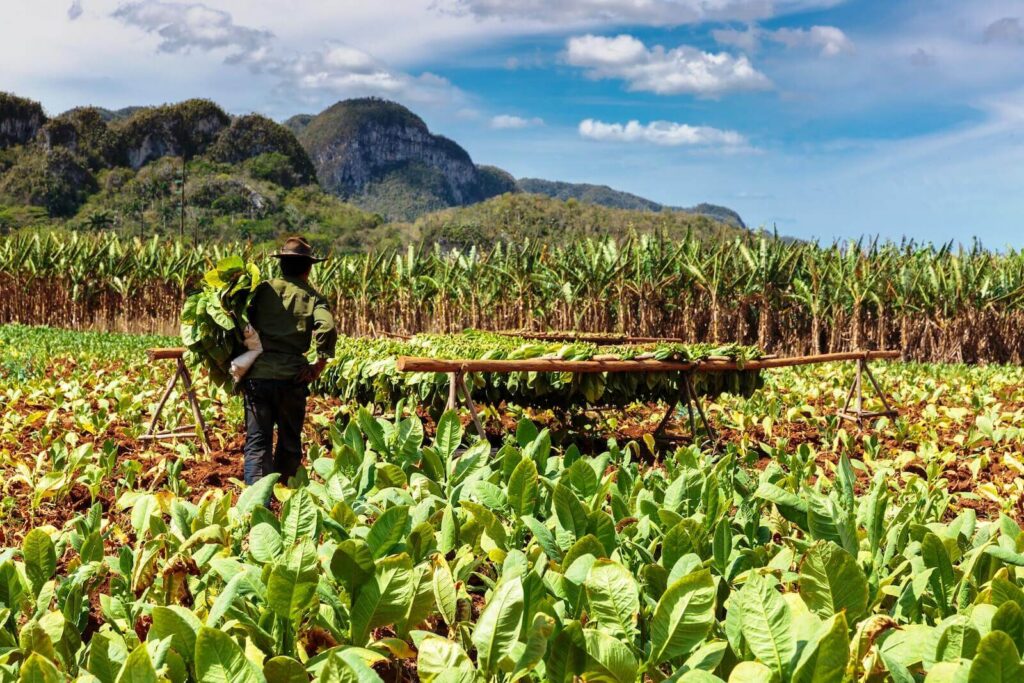
With the aim of boosting food production and making steady progress toward food sovereignty, the Official Gazette of the Republic of Cuba published a set of 19 legal regulations on Tuesday that comprehensively update the legal framework for Cuban agriculture.
Law 185 on Agricultural and Forestry Land stands as the central pillar of these structural transformations in the agricultural sector.
RELATED:
Cuban President Meets Farmers on Implementing 176 Transformations
According to Telce González Morera, Deputy Minister of Agriculture, the regulations maintain state ownership of the land but expand the usufruct system. “Access is authorized for natural persons and legal entities—whether state-owned, private, or mixed—allowing all economic actors to participate in this process,” the official explained.
Furthermore, the requirement for direct manual labor is eliminated, and management and administration are recognized as forms of working the land. The amount of land granted under usufruct is increased with no set limit, determined strictly by the project proposal submitted by the applicant and their demonstrated capacity.
“In addition, usufructuaries have their property rights recognized regarding improvements and housing built on the plots,” González Morera noted. Land is granted for food production—including to MSMEs—and even for ecotourism or agrotourism activities.
Las normas jurídicas qué se actualizan se articulan cómo un sistema: tierra, cooperativas, comercialización, genética, sanidad, mecanización y suelos trabajan juntos. #CubaProduce, #CampoCubanoEnTransformación #AgriculturaCubana @MinagCuba @YdaelB @RamnMonte1 pic.twitter.com/PgxRtFqAQc
— Ministerio de la Agricultura de Cuba (@MinagCuba) September 13, 2026
The text reads, “The legal regulations being updated are structured as a system: land, cooperatives, marketing, genetics, animal and plant health, mechanization, and soil management work together.”
Regarding expanded powers, Agricultural Production Cooperatives (CPAs) will be able to grant land in usufruct subject to the agreement of their assemblies. They will assume powers related to foreign trade, direct importation, bank financing, and operational autonomy, including the ability to open foreign currency accounts.
Key new powers include the importation of inputs, direct exportation, price setting by agreement, the creation of second-tier cooperatives, and participation as entities in foreign investment. Credit and Service Cooperatives (CCSs) will also be able to establish cooperative ownership using assets other than those contributed by their members. F
For its part, Decree-Law 161/2026 reforms agricultural marketing, establishing that producers may sell their products without mandatory intermediaries and set prices based on supply and demand. Incentives are established for the marketing of inputs in foreign currency and the creation of input markets, and the Agricultural Bank is created to facilitate financing for the sector.
Regarding livestock, Resolution 162/2026 relaxes regulations on cattle slaughter. Individuals may fatten male animals without owning land, subject to prior registration in the Livestock Registry and the application for a sanitary license. There is greater flexibility for agricultural producers in meat marketing, provided that municipal supply balances prioritize social consumption needs.
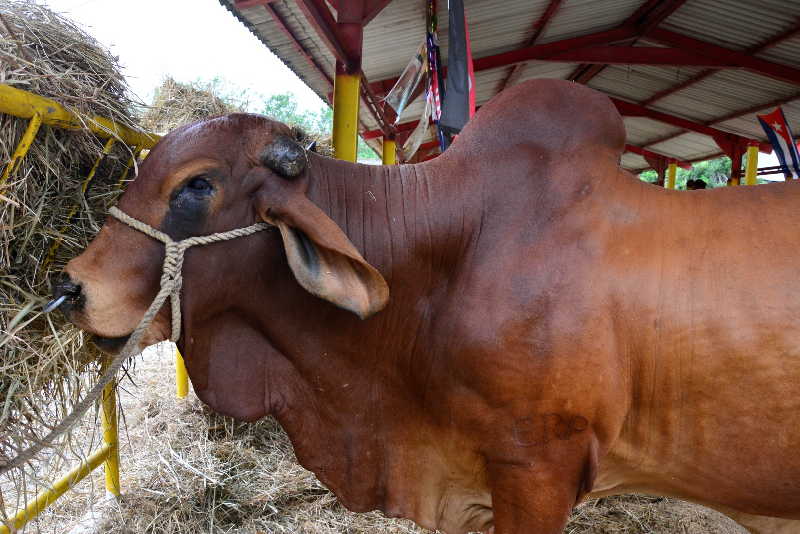
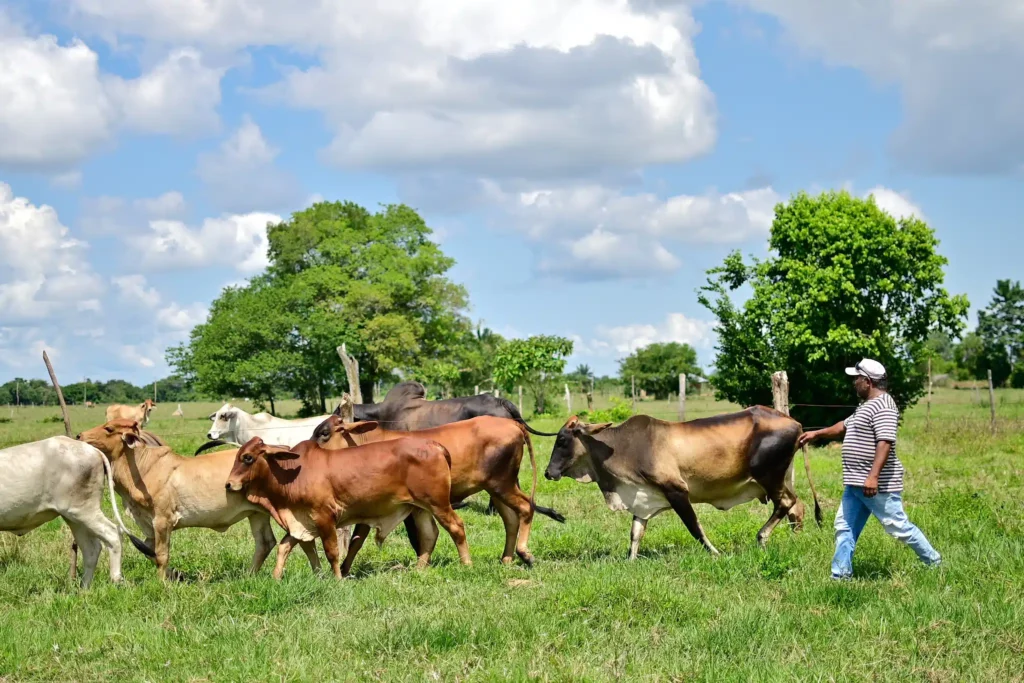
Simultaneously, Decree-Law 123/2026 on Animal Genetic Resources simplifies pedigree registration and expands the concept of private ownership by eliminating the specific category of “small farmer.” New sections address the conservation of aquatic species and Creole breeds, elevating biodiversity to a matter of national security. Genetic resource management is decentralized to the municipal level, and innovation is fostered through artificial intelligence, big data, and DNA laboratories.
Decree-Law 124/2026 on Plant Genetic Resources and Seeds expands activities related to the prospecting, conservation, introduction, maintenance, documentation, and utilization of plant genetic resources. Non-commercial import activities are broadened—subject to legal requirements—and authority is transferred from the provincial to the municipal level.
Irrigation and mechanization modernization, governed by Decree-Law 125/2026, allows non-state management entities to provide machinery services. The definition of agricultural equipment is expanded to include units of up to 20 horsepower, and economic actors are authorized to manufacture equipment and parts for import substitution.
Meanwhile, Decree-Law 126 redefines the soil conservation system, recognizing the non-state sector as an integral participant, while Decree-Law 127/2026 on Veterinary Medicine authorizes self-employed workers to provide veterinary services and establish private laboratories. Resolutions 163 and 164 complement the package by simplifying phytosanitary procedures for non-state foreign trade.
Cuban President Miguel Diaz-Canel met with agricultural sector representatives at the Convention Palace in Havana to discuss implementing the 176 economic and social transformations in the countryside.
Diaz-Canel, also the first secretary of the Communist Party Central… pic.twitter.com/2zPUna9mpe
— teleSUR English (@telesurenglish) September 15, 2026
From teleSUR English via This RSS Feed.