

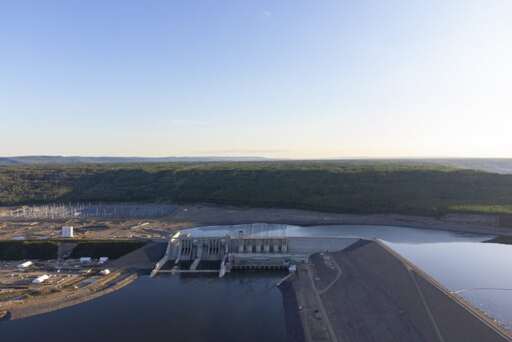
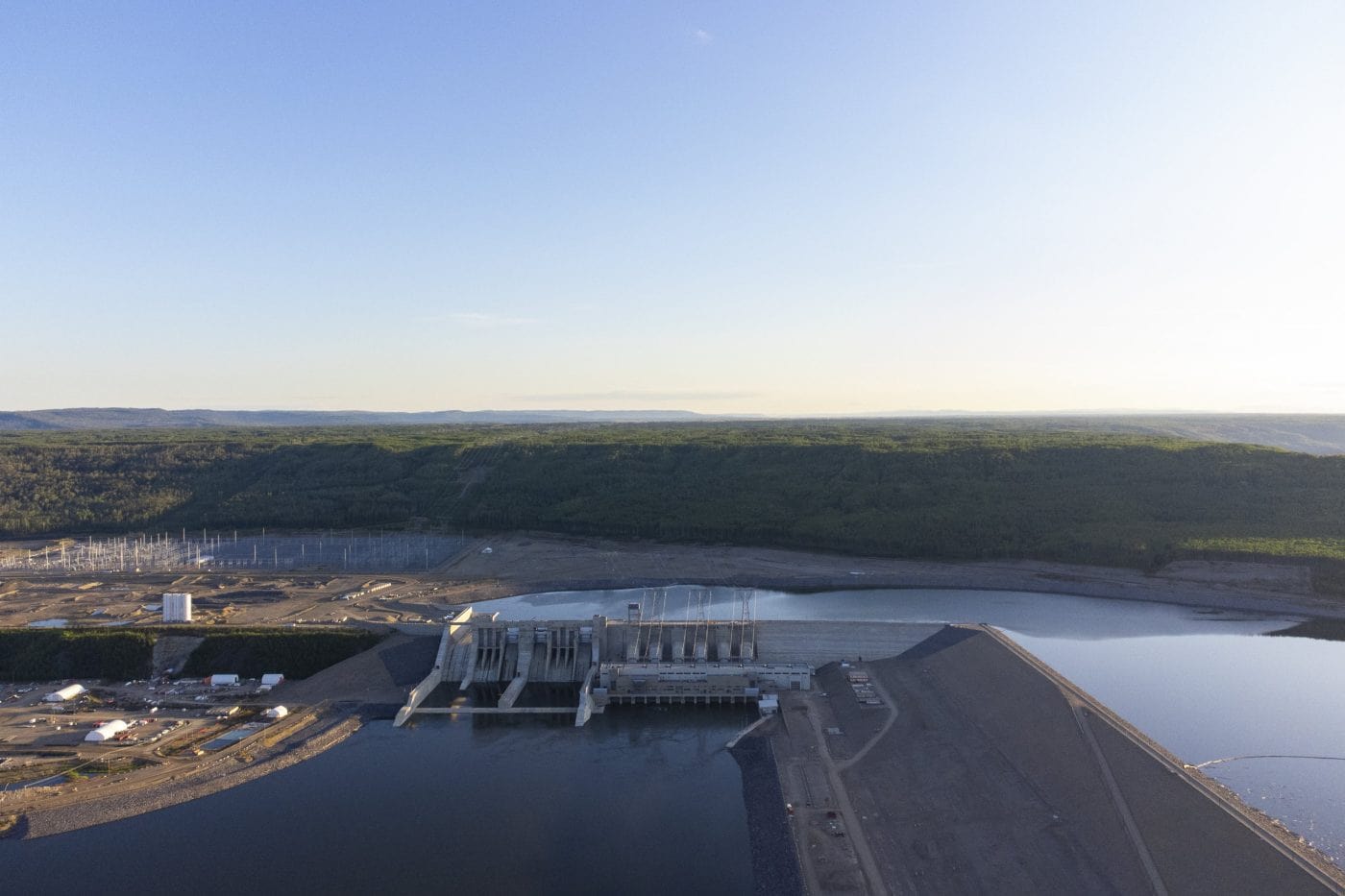
Photo: Amber Bracken / The Narwhal
How can you tell when a Crown corporation is fulfilling its obligations and goals?
For BC Hydro, one place to start is the provincial utility’s annual service plan report. Released every year, usually in late summer, the document outlines the utility’s finances and progress toward specific goals and objectives. Within its pages, phrases like “meet growing customer demand” are examined through performance metrics, such as whether it has achieved the goal of freeing up 350 gigawatt hours through energy efficiency and conservation programs (for 2025-26, the answer was yes, plus an extra 111 gigawatt hours).
Did BC Hydro cut greenhouse gas emissions from its operations by 44 per cent? Page 12 of the most recent report confirms the Crown corporation did even better, reducing its emissions by 56 per cent (mostly because the natural gas-powered Fort Nelson generating station ran less often than expected).
Among all these straightforward answers, one important piece of information is harder to find. Was all of the power generated or bought by BC Hydro in the past year clean electricity?
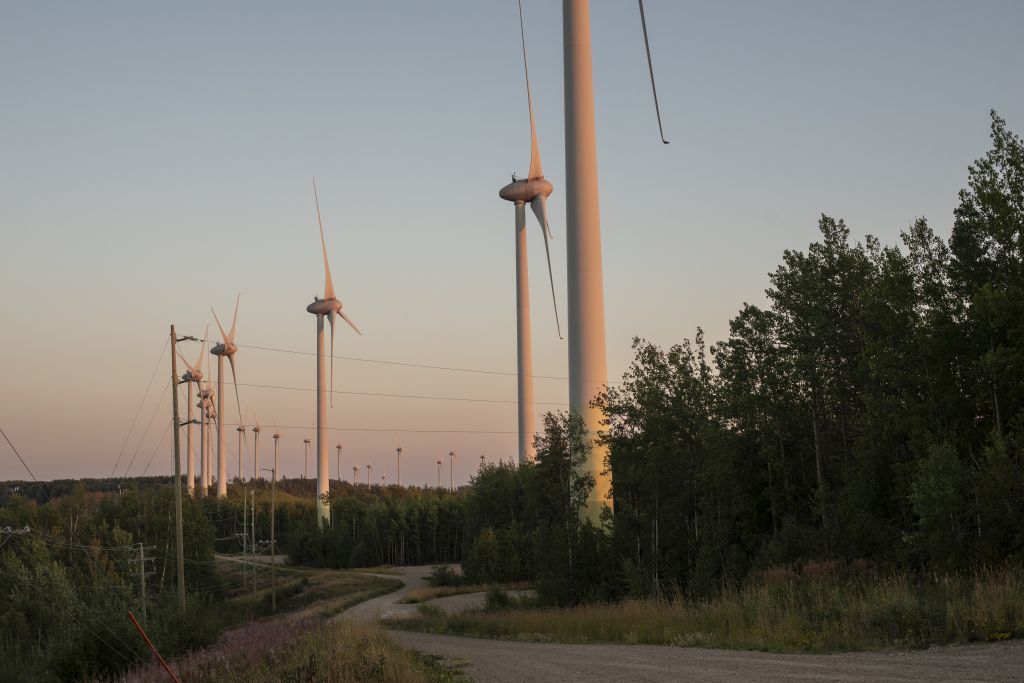
By 2030, BC Hydro is supposed to phase fossil fuels out of its electricity generation and switch to low-emission and renewable sources, including wind power. Photo: Amber Bracken / The Narwhal
BC Hydro has been publicly reporting its achievements related to the province’s climate targets in its annual service plan report for fifteen years. Currently, the clean electricity standard requires all electricity BC Hydro sells in the province or exports to other markets come from low-emissions sources. By 2030, the provincial government has directed the Crown corporation to completely phase out fossil-fuel generated electricity.
But BC Hydro’s 2025-26 annual report does not mention the clean electricity standard at all.
In 2024-25, BC Hydro met that objective, according to that year’s annual report. But its most recent report lacks that declaration, as former BC Utilities Commissioner Richard Mason recently noticed.
“The loss of transparency is a problem; we should be told whether the provincially-owned utility is meeting these objectives,” Mason wrote in a post on his website, Just and Reasonable. BC Hydro has also removed the clean electricity standard from the list of corporate objectives in its most recent service plan, he noted.
In a statement, BC Hydro told The Narwhal it whittled the performance measures in its service plan from 28 to 12, “focusing on key strategic priorities and aligning with benchmarking practices used by comparable North American utilities.”
Going forward, the statement said information about BC Hydro’s achievement of the clean electricity standard will be published in its annual sustainability report published in August. In 2026, BC Hydro fell just short of the standard at 99 per cent, according to the report.
Clean electricity metrics should be ‘front and centre’ in BC Hydro’s plan: experts
Mason argues the clean electricity standard performance metric should be part of BC Hydro’s main annual report.
“I believe it has the most value in an annual report because you can put the climate reporting in context with everything else that BC Hydro is doing,” he told The Narwhal in an interview.
BC Hydro publicly communicates about its activities, achievements and finances across several reports, some of which are updated yearly, including the sustainability and annual reports. Others, like the service plan and integrated resource plan, publish less frequently. In addition, the utility releases unscheduled updates and quarterly financials.
Anyone interested in deeply understanding what BC Hydro is up to and how it is fulfilling its obligations has to wade through a lot of information, noted Mark Zacharias, an adjunct professor in the public administration school at the University of Victoria.
“BC Hydro has a legal requirement to supply 100 per cent clean electricity by 2030,” Zacharias, a former executive director of Clean Energy Canada, told The Narwhal. “With growing industrial loads, an electrifying economy and a changing climate, how BC Hydro will meet this requirement is an important conversation that should be front and centre in the annual service plan.”
There are other reasons to wonder about the ongoing importance of BC Hydro’s clean electricity commitments. Earlier this year, the Crown corporation submitted an argument to the BC Utilities commission that its obligations under the Clean Energy Act, which requires it to generate and purchase enough energy to meet demand, trumps the direction to phase out fossil fuels by 2030.
Weeks after BC Hydro’s submission, Minister of Energy and Climate Solutions Adrian Dix announced BC Hydro’s intent to purchase Island Generation, a natural gas-powered plant in Campbell River. Natural gas is largely made up of methane, a fossil fuel that traps heat in the atmosphere and drives climate change.

Energy and Climate Solutions Minister Adrian Dix has justified the continued use of natural gas-powered electricity in B.C. as a way to allow BC Hydro to reliably deliver power to its customers while developing more renewable electricity. Photo: Province of B.C. / Flickr
To Green MLA Jeremy Valeriote, BC Hydro appears to be “making up for lost time in terms of not having anticipated demand,” which is projected to rise 20 per cent by 2030 and 50 per cent by 2050.
That surge in demand is driven largely by mining and liquefied natural gas (LNG) projects, as well as increasing numbers of electric vehicles and heat pumps in B.C. homes.
“Suddenly, that’s used to justify any number of non-clean electrical sources,” Valeriote said.
He described the removal of the clean electricity standard reporting from BC Hydro’s annual report as disheartening.
“It’s the slow whittling away of some of the principles that were being applied,” he added.
Sourcing more electricity does seem to have become a top priority for BC Hydro, Mason said, partly as a way to secure economic growth.
“Growing electricity production in the province is a good thing,” he said. “I suspect, however, they’ve realized they can’t do it all with clean electricity.”
The Narwhal’s reporters are telling environment stories you won’t read about anywhere else. Stay in the loop by signing up for our free weekly dose of independent journalism.
From The Narwhal | News on Climate Change, Environmental Issues in Canada via This RSS Feed.