

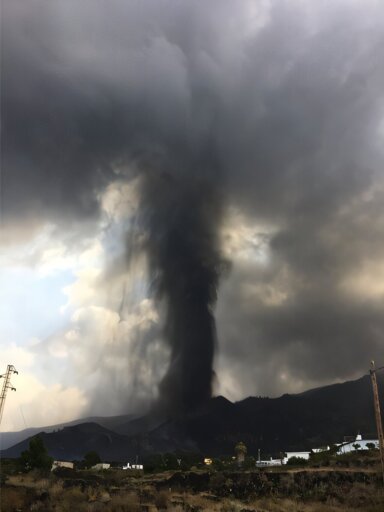
Explosive volcanic eruptions can be as destructive as they are difficult to predict, launching pyroclasts—the fragments of magma and rock blasted from a volcano—into the air and surrounding areas. These particles can have wide-ranging impacts, as seen during this summer’s eruption of Mount Etna in Italy, when ash fell over the nearby city of Catania and closed its international airport for weeks. The size of erupted pyroclasts helps determine how far they travel and the hazards they pose. However, exactly how and where they form has remained poorly understood.
From Earth News - Earth Science News, Earth Science, Climate Change via This RSS Feed.
You must log in or # to comment.