

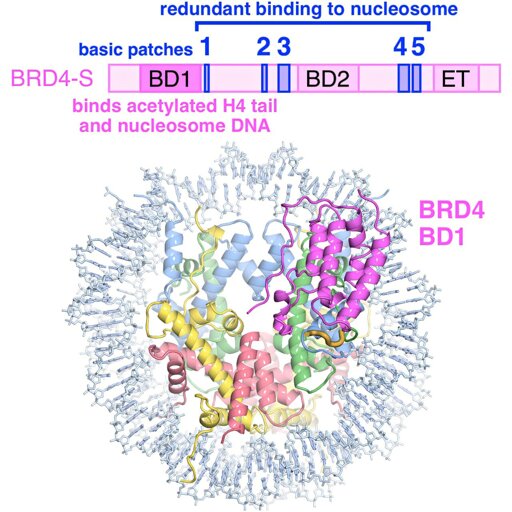
A new 3D structure of a cancer-linked protein bound to its cellular partner reveals details of how the protein binds to chromosomes and could offer insights for future disease treatments. The protein—BRD4—plays a critical role in how cells read, copy and repair DNA and helps determine how different kinds of cells are made; it has been linked to many types of cancer and is considered a promising target for future therapies. The study, led by scientists at Penn State and published in the journal Molecular Cell, found that BRD4 can attach to DNA-packaging structures in cells even without a molecular signal long believed to be necessary for the interaction.
From Biology News - Evolution, Cell theory, Gene theory, Microbiology, Biotechnology via This RSS Feed.