

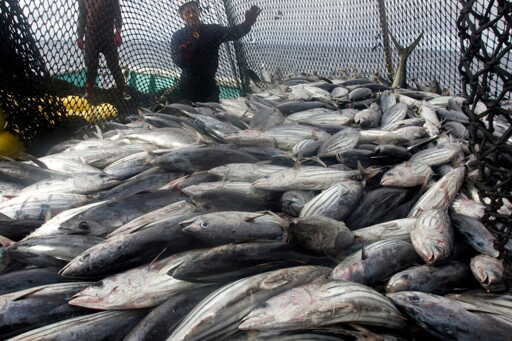
The annual meeting of the Inter-American Tropical Tuna Commission (IATTC) concluded on Sept. 4 with an agreement to adopt a long-term harvest strategy for Pacific bluefin tuna. The agreement aims to ensure sustainable management of this species, which has only recently recovered after decades of overfishing. But the commission fell short of establishing a harvest strategy for other tuna species — bigeye, skipjack and yellowfin — managed under the convention. “A proposal was adopted … and that’s really great progress,” Dave Gershman, a senior officer for international fisheries at the U.S.-based think tank The Pew Charitable Trusts, who took part in the meeting as an observer, told Mongabay. The commission approved the plan for Pacific bluefin tuna (Thunnus orientalis) after 10 years of research and mediation. The plan establishes science-based rules to support the stock’s complete recovery and long-term protection while taking into account impacts on the broader ecosystem. “You want to have these things in place when times are good so it’s there when you need it,” Gershman said. The 104th meeting of the IATTC took place in Lisbon from Aug. 31 to Sept. 4. One of five main regional fishery management organizations (RFMOs) responsible for tuna and tuna-like species, the commission is tasked with managing six tuna stocks, associated species and their ecosystems throughout the Eastern Pacific Ocean, from Canada south to Chile. There are more than a dozen RFMOs in the world, with some overlapping geographically but managing different fish stocks. The map shows the five best-known…This article was originally published on Mongabay
From Conservation news via This RSS Feed.