

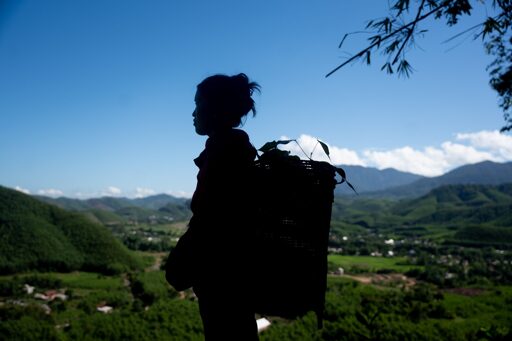
Conservationists say connecting existing protected areas through biodiversity corridors is vital in many landscapes to prevent further loss of species and habitats. Yet the households living inside conservation areas often face stark financial tradeoffs associated with lost access to resources, sometimes making new designations controversial. A recent study from the rugged mountains of central Vietnam, however, suggests that biodiversity corridors can bring significant economic benefits to the households who live inside them. The study, published in Conservation Science and Practice, analyzed interviews with 120 families living in four villages in Quang Nam and Thua Thien provinces within the Annamite mountain range to find out how financial incentives tied to two biodiversity corridors connecting isolated protected areas affected people’s lives and livelihoods. Households inside biodiversity corridors earned substantially more, mainly from conservation-linked payments, than those outside them. However, they also made less money from forest resources due to greater restrictions on how they could use their land. The researchers say their findings underscore how conservation-linked payments and other longer-term benefits from living near flourishing forests, such as water purification, healthy pollinator populations and conservation-based jobs, can help communities recoup income they once derived from forest exploitation. “By providing regular financial benefits from forest protection, programs like PFES [Payment for Forest Ecosystem Services] create incentives for communities to maintain forest cover and reduce pressures on critical habitats,” study lead author Nguyen Van Tri Tin, a conservation scientist at Southern Cross University in Australia at the time of the study, told Mongabay in…This article was originally published on Mongabay
From Conservation news via This RSS Feed.