

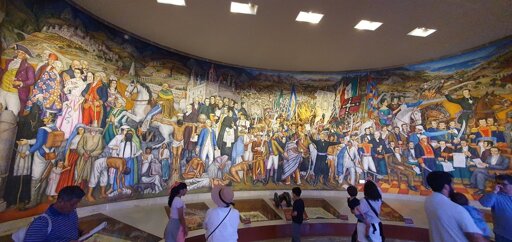
This article by Felipe Ávila originally appeared in the September 13, 2026 edition of La Jornada, Mexico’s premier left-wing daily newspaper.
On September 16, 1810, the social revolution broke out from which Mexico would be born as an independent, free, and sovereign country. On September 27, 1821, independence was consummated, after an 11-year war that was a great popular revolution to free itself from Spanish rule. It was a massive popular revolution in which tens of thousands of men and women—Indigenous people, mulattoes, mestizos, criollos, merchants, muleteers, ranchers, miners, priests, and professionals—swelled the insurgent ranks, following the call of Miguel Hidalgo, and formed a popular army that, in just a few months, dealt a mortal blow to the colonial regime and dismantled an oppressive and exclusionary social system.
The struggle led by Hidalgo and continued by Morelos was a libertarian and justice-seeking movement, not only for independence and freedom, but also to put an end to slavery and tributes, to a society divided into castes in which a privileged few concentrated power and wealth, while the vast majority of society lived in conditions of poverty and marginalization. It was a revolution to end hunger and injustice, one that fought for a government and laws that would promote a more just, free, and egalitarian society.
The social and libertarian content of the insurgent struggle was expressed from Hidalgo’s first decrees of October 1810 abolishing slavery and tributes, as well as the concentration of land in few hands. It was proclaimed that all should be able to enjoy the fruits of their labor and that oppression should end; the struggle was waged against the exploitation of the haciendas and to put an end to slavery in the fields and in the mines. That popular movement also showed its rejection of the justice system that prevailed in favor of the powerful.
The first phase of this process ended with the capture and death of Hidalgo, Allende, Aldama, and other leaders. But the strength and legitimacy of the insurgent revolution did not end with their deaths. Hidalgo’s struggle was taken up by José María Morelos, who, thanks to his political and military genius, extended the revolution to the southern territories and convened the Congress of Anáhuac, where he presented the Sentimientos de la Nación (Sentiments of the Nation), a foundational document that captures the essence of the liberating movement. In that text, Morelos established the bases of what the new Mexican Nation should be, founded on popular sovereignty; the constitution of a liberal government; as well as the establishment of laws that would reduce poverty and inequality.
Article 12 of that founding text is not to be wasted: “That, since good law is superior to every man, the laws our Congress dictates must be such that they compel constancy and patriotism, moderate opulence and indigence, and in such a way increase the wages of the poor that they improve their customs, driving away ignorance, rapine, and theft.” The same is true of Article 15: “That slavery be proscribed forever, and likewise the distinction of castes, all remaining equal, so that only vice and virtue shall distinguish one American from another.”
The insurgent struggle had an important participation of women. Josefa Ortiz, Leona Vicario, Mariana Rodríguez, Carmen Camacho, Gertrudis Bocanegra, and many more embodied the yearnings for justice and freedom that animated the people and were fundamental to the triumph of the cause. These women took on multiple tasks: convincing royalist soldiers to defect to the insurgents; paying with their own money and jewels for the manufacture of rifles, cannons, and bullets; supplying paper and ink for the newspapers; sending food and clothing or helping the families of insurgents who had been killed or imprisoned. Some of these brave women were captured, sentenced, and condemned to confinement; several of them lost their lives.
The second stage ended with the execution by firing squad of Morelos. In that phase, the movement reached the ideological and political maturity to formulate the project of a free, independent, and sovereign Nation, with a more egalitarian society and a government at the service of the people. Those principles could not be defeated.
The third insurgent stage was one of resistance. With the armies of Hidalgo and Morelos defeated, and their principal leaders dead, the liberating cause was sustained as a guerrilla war. This resistance was led by Vicente Guerrero in the south. Faced with the impossibility of defeating that resistance, and after 11 years of civil war, a favorable juncture arose to bring it to an end through the alliance between the royalist commander, Agustín de Iturbide, and the insurgent commander, Vicente Guerrero, who decided to consummate independence by means of a political pact that took shape in the Plan de Iguala, with which practically all social groups and all regions identified.
With the Plan de Iguala, signed by most of the civil and military authorities of New Spain, and the entry of the Army of the Three Guarantees into Mexico City, independence was consummated and the free and sovereign Mexican Nation emerged, with new institutions and laws that gave concrete form to the main demands of the insurgent movement: the abolition of slavery and tributes, popular sovereignty, freedom, and the equality of all before the law—demands that were enshrined in the Political Constitution of 1824, which established that Mexico would be a federal Republic. Thus concluded our independence, the first popular revolution from which our Homeland was born.
Director of the National Institute for Historical Studies of the Revolutions of Mexico (INEHRM).
-
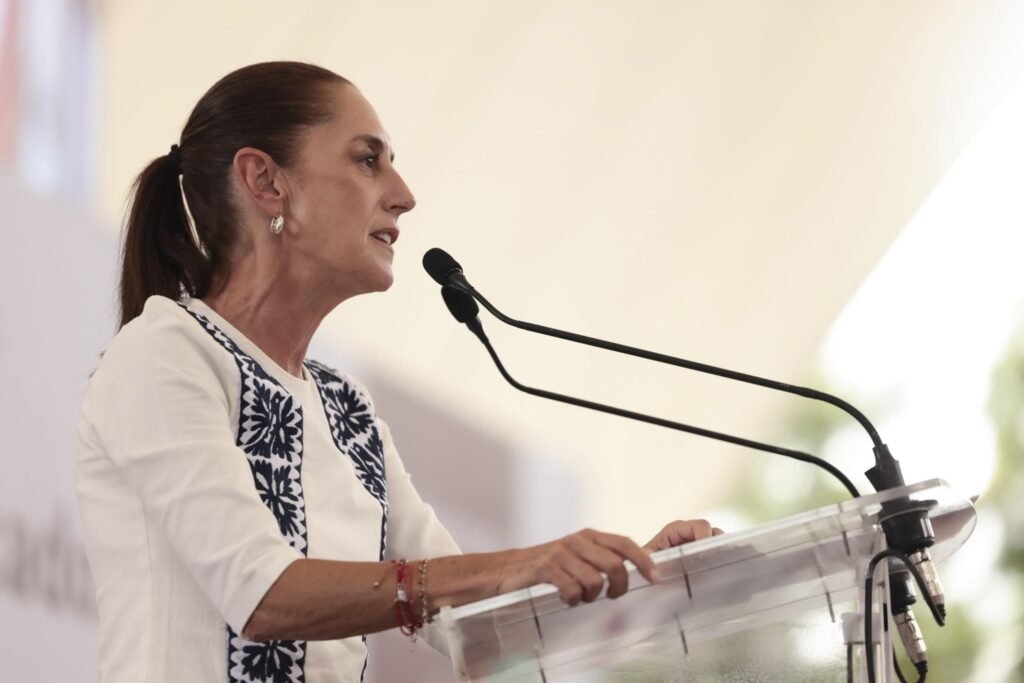
Sheinbaum: Panistas Who Seek Support in Europe Repeat the Conduct of 19th-Century Conservatives
September 13, 2026September 13, 2026
At her Cancun report, Sheinbaum likened PAN chief Jorge Romero’s five-member European tour to the conservatives who brought Maximilian to rule Mexico.
-
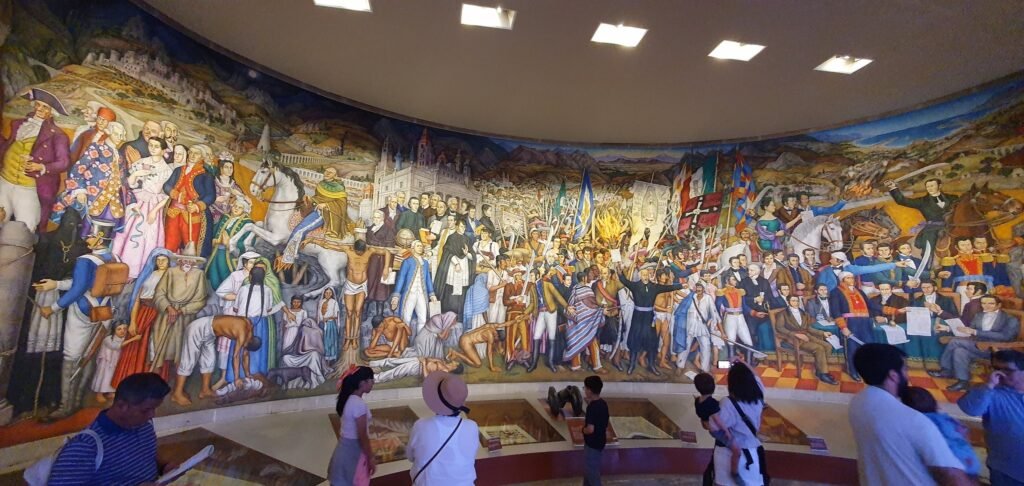
The Popular Revolution of Independence
September 13, 2026September 13, 2026
Felipe Ávila, who heads Mexico’s institute for the history of its revolutions, recounts how the 11-year war of independence abolished slavery and the caste system to found a free, sovereign nation.
-
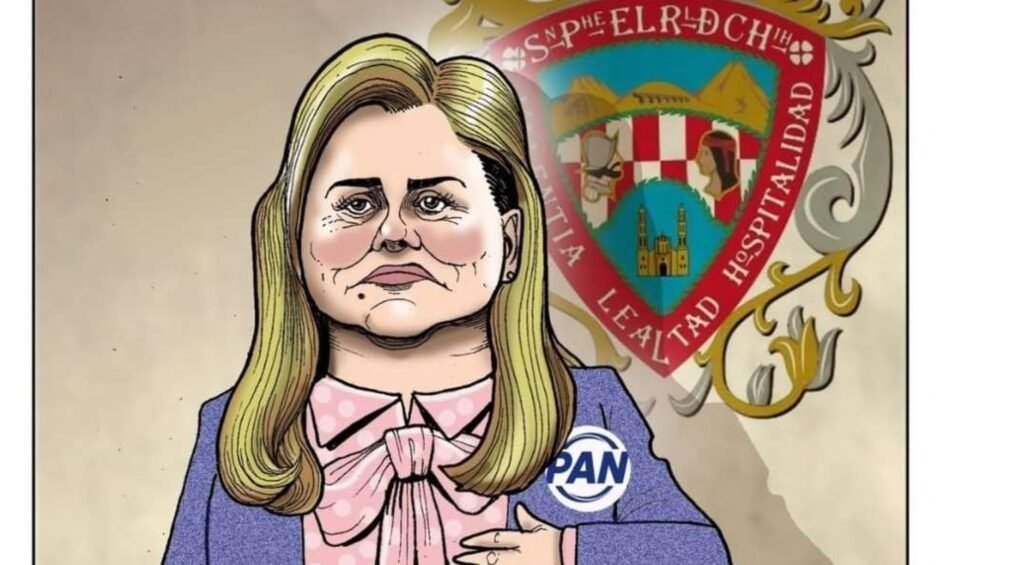
Torre Centinela: Inauguration Marked by Absences and Criticism
September 13, 2026September 13, 2026
Federal officials skipped the opening of the 4.7-billion-peso Chihuahua surveillance tower, built by an opposition state government accused of inviting CIA agents in violation of Mexican law.
The post The Popular Revolution of Independence appeared first on Mexico Solidarity Media.
From Mexico Solidarity Media via This RSS Feed.