Changes like increasing geological and glacial instability driven by the warming climate are a growing concern across the Himalayas. Our hearts go out to the thousands of families across Nepal, China, and around the world grieving their loved ones and searching for those missing after the recent catastrophic flash flood at the Nepal-China border. Though nearly 400 kilometers (almost 250 miles) to the northwest of the recent flash flood zone, our study area in Nepal’s Limi Valley in Upper Humla — a landscape with several villages and a rich wildlife heritage, that we have spent years trying to understand and protect — is also affected by such changes. Limi Valley has been wild for as long as we’ve studied it, but not anymore. After many days of travel to reach the study area recently, our team was excited to check on the Himalayan wolves, to see if its family would be denning in the same spot as last year. We found no wolves. Instead, we found thousands of sheep and goats, trailed by herders from lower-lying villages, free-ranging herd dogs, and patches of burning vegetation. A Himalayan wolf in its natural habitat in Limi Valley, northwestern Nepal. Photo courtesy of Himalayan Wolves Project. Every season we return, there is less wild left to find. Upper Humla’s once-pristine high-altitude habitats are suffering from human encroachment advancing at an unprecedented pace, pushing wildlife into ever-smaller pockets of shrinking habitat. While formal protection of this unique ecosystem has been on the political agenda…This article was originally published on Mongabay
From Conservation news via This RSS Feed.
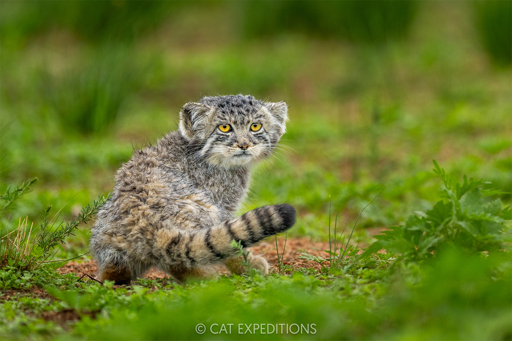
Manul.
Manul.