

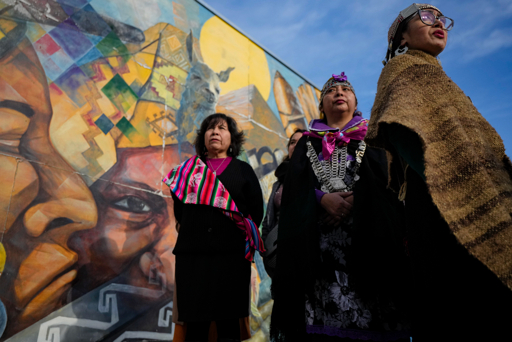
Indigenous land restitution in Chile came with a mixed bag of environmental outcomes and did not boost natural forest cover, according to a new study published in Nature Sustainability. While the return of ancestral lands gave the Indigenous Mapuche communities in southern Chile greater control over how their land was used — leading to an increase in grasslands for livestock production and a reduction in non-native tree plantations — it did not improve biodiversity, carbon sequestration or erosion control. Researchers say these findings challenge long-held assumptions that Indigenous self-determination automatically equates to positive changes in natural forests, carbon sequestration or biodiversity. “In the past, conservation advocates have at times adopted romanticized views of what such self-determination would mean, assuming that Indigenous communities will always choose to allocate land towards more ‘natural’ uses,” said study co-author Robert Heilmayr, an associate professor at the University of California Santa Barbara in the U.S. He told Mongabay over email that the new research “complicates this narrative,” arguing that true self-determination only emerges when Indigenous communities define for themselves what land uses align with their needs and values. The study set out to understand how Indigenous land restitution in Biobío, Araucanía, Los Ríos and Los Lagos reshapes the environment. It did so by analyzing satellite and administrative data from 1,577 properties across 36 communities to compare land use and environmental outcomes before and after land restitution. Researchers focused on what happened after a Chilean land restitution program, known as the Chilean Indigenous Land and Water…This article was originally published on Mongabay
From Conservation news via This RSS Feed.