

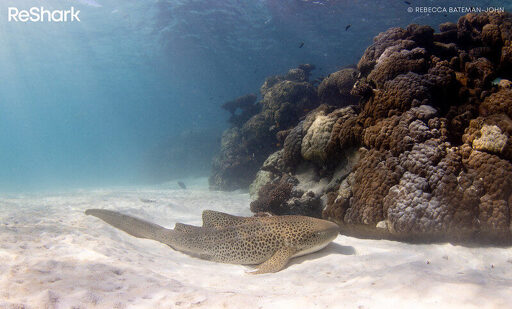
Ocean ecosystems are under extreme stress on several fronts including overfishing, ocean acidification, climate change and marine warming. While ocean conservation efforts often tend to focus on creating marine protected areas, researchers recently stressed the need to move beyond protection toward active recovery using a different approach: Marine rewilding. In a new perspective paper, the researchers laid out eight key principles that can guide such rewilding. The concept of “rewilding” is usually applied to terrestrial ecosystems, where the goal is to restore ecological processes and create resilient, self-sustaining ecosystems with minimal human interventions. Gavin Stark, a post-doctoral researcher with the German Centre for Integrative Biodiversity Research, and his colleagues, write that one important principle of marine rewilding is that people can’t simply be fenced out of the process. “You cannot really separate people from the rewilding process inside the marine ecosystems,” Stark told Mongabay in a video call. Another key principle of marine rewilding is restoring food webs, which may include reintroducing top predators such as sharks. In 2024, for example, Mongabay reported on a project where eggs of the endangered Indo-Pacific leopard shark (Stegostoma tigrinum) raised in an aquarium in Las Vegas, Nevada, U.S., were shipped to nurseries in Raja Ampat, Indonesia. So far, the project has released more than 60 young sharks into the protected waters of Raja Ampat with the goal of restoring balance to the region’s coral reef ecosystem. The authors note that along with restoring food webs, strengthening connectivity between ecosystems is also a pillar…This article was originally published on Mongabay
From Conservation news via This RSS Feed.