

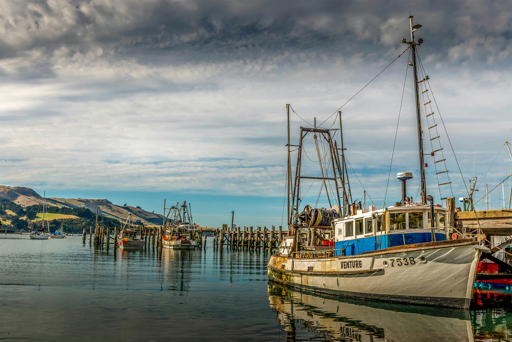
NAPIER/DUNEDIN, Aotearoa New Zealand — In 2016, a scandal engulfed Aotearoa New Zealand’s fisheries regulator. Leaked documents showed that the Ministry of Primary Industries (MPI) had found, during investigative operations conducted in prior years, systematic illegal discarding of low-value fish as well as other violations, such as failing to report the catch of an endangered Hector’s dolphin (Cephalorhynchus hectori), on commercial vessels off the South Island — and elected not to prosecute or inform the public of the findings. The controversy raised a question that conservationists the world over have long asked about commercial fishing: what’s happening on vessels when no one is watching? In the years since, the MPI has mandated onboard cameras across most of the country’s inshore fleet, which operates close to the coast, alongside other forms of electronic monitoring. The rollout, aimed at monitoring catch, discards, protected species interactions, and the use of mitigation devices, has put New Zealand near the leading edge internationally in the use of onboard cameras. This comes as fisheries managers across the world are discussing the use of electronic monitoring as a complement to, or even an imperfect substitute for, the onboard work of fisheries observers, who collect scientific data and report on compliance with rules. Yet electronic monitoring has its detractors, including even Shane Jones, the politician who oversees Fisheries New Zealand (FNZ), a branch of the MPI. He took office following a 2023 general election, after the camera system rollout was already underway, as a member of the conservative…This article was originally published on Mongabay
From Conservation news via This RSS Feed.