

By Guy Feugap, Africa Organizer, World BEYOND War, September 9, 2026
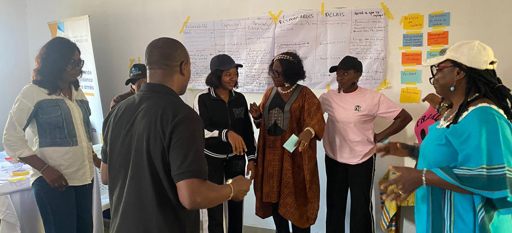
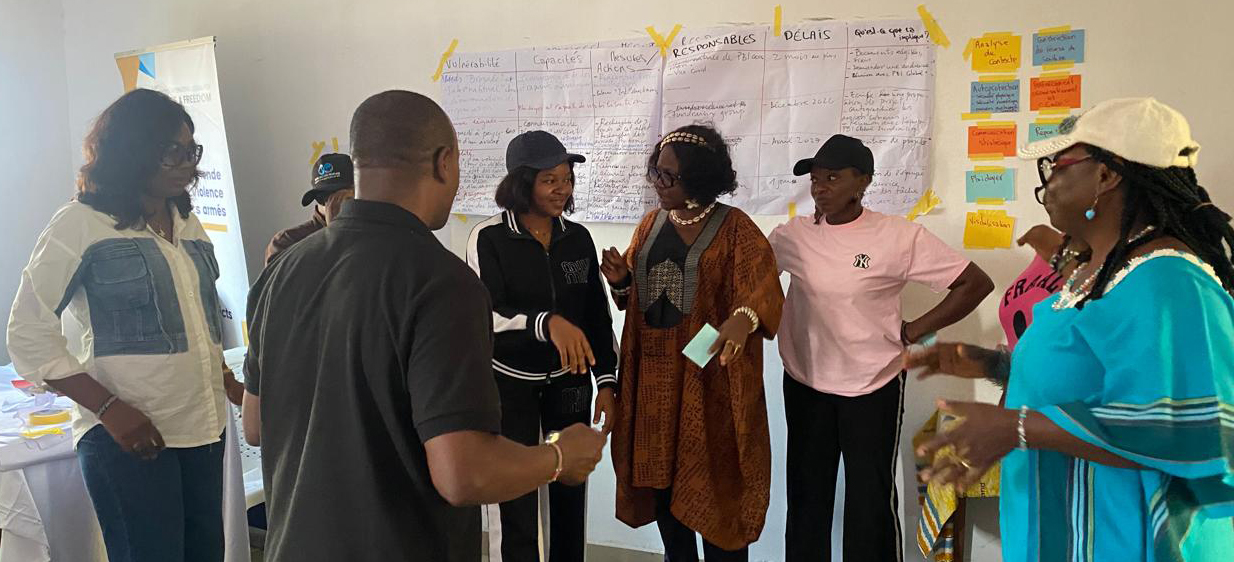
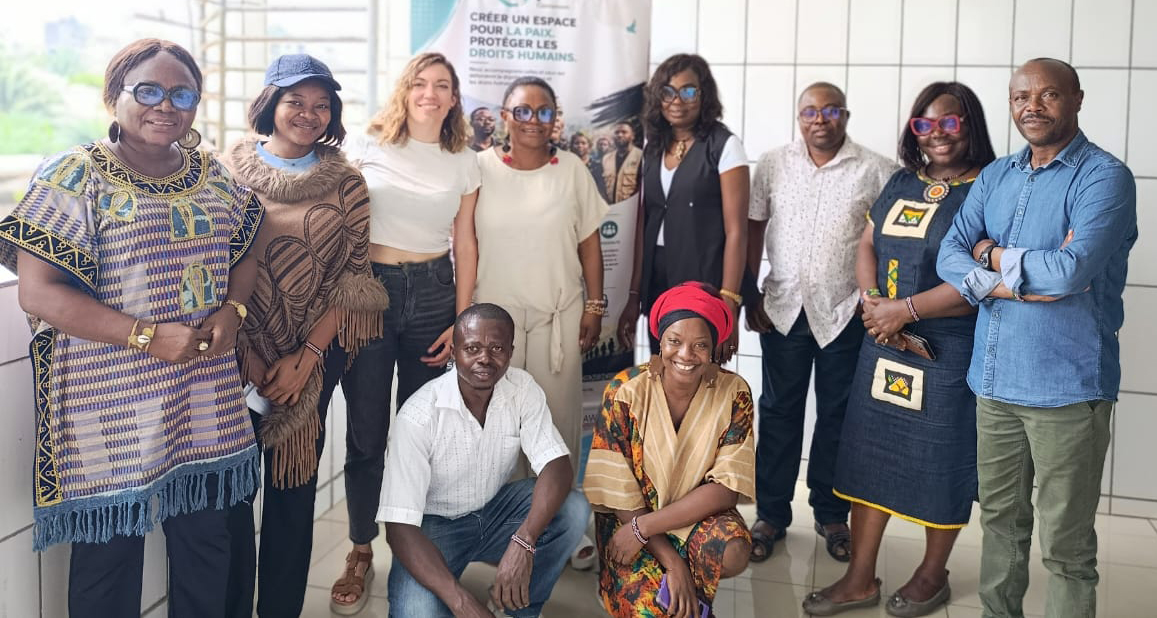
From August 31 to September 3, 2026, I had the opportunity to participate in a training-of-trainers program on Comprehensive Protection in Douala, Cameroon, organized by Peace Brigades International (PBI). Beyond the knowledge and tools I acquired, these four days prompted me to reflect on how all those committed to peace and human rights can continue to act in increasingly complex and threatening contexts, while ensuring our own protection. For militarization continues to rise, and violence and human rights abuses are on the rise. Yet we must continue to analyze the causes of conflict, denounce the logic of war, promote peace-based alternatives, and also better protect those who carry out this work.
I work from Cameroon in Central Africa, in the midst of violence and armed conflict. In this environment, my work poses a direct threat to the interests of those who fuel these wars; they also become my aggressors. One way to build peace, therefore, is to be able to continue acting nonviolently, but above all to ensure my own safety as well as that of the communities with which I interact. That is why I was interested in this security training, which is now an integral part of my work for peace.
One of the key takeaways from this training is that protection extends far beyond physical security alone; it encompasses several dimensions, such as context analysis, self-protection, strategic communication, advocacy, visibility, network-building, organizational strengthening, and emergency response, while integrating digital, reputational, relational, and psychosocial dimensions. This approach is relevant for human rights defenders and peacebuilders in Africa, as we face threats that do not necessarily manifest as physical attacks but most often take the form of delegitimizing rhetoric, reputational attacks, shrinking of civic space, pressure targeting collective organizing, or even subtle infringements on freedom. This is why it is important to move beyond a reactive view of security toward a culture of protection.
The training also focused on the importance of risk analysis and documenting incidents, even those that seem minor. Before taking any action, it is necessary to examine the context in which it takes place, identify the stakeholders involved, their interests, potential threats, existing vulnerabilities, and the capabilities at our disposal. A better understanding of the context allows us to take preventive measures, establish protocols, and, if necessary, prepare emergency responses, so that the risk does not become an inevitability.
For the African chapters of World BEYOND War, for whom the use of violence to resolve conflicts is a major concern, we are also learning to protect one another. The more we work to challenge the logic of war, the more we face intimidation, but this is a risk that does not lead us to inaction. That is why, as the Africa organizer for World BEYOND War, this training provides strategies to better promote a concept of security based on peace rather than on the use of force. In our work in the region, we will gradually implement what we learned from the training with the chapters, so that we can collectively strengthen our ability to analyze our various national contexts.
The post We Continue Our Commitment to Peace in Africa by Strengthening Our Security appeared first on World BEYOND War.
From World BEYOND War via This RSS Feed.