

Photo: Katherine KY Cheng / The Narwhal
Prime Minister Mark Carney’s government says keeping the federal gas tax off at the pumps will create indirect savings felt all through the economy. But critics argue it could drive up Canada’s emissions while benefiting wealthy households the most.
Finance Minister François-Philippe Champagne announced last week Canada would be extending its suspension of the federal fuel excise tax until February 2027 and then phasing it back in at half its regular rate through the end of next March.
Government MPs are now fanning out across the country to promote the tax cut.
Excise taxes are imposed on specific goods like fuel or tobacco, as opposed to other taxes that are applied more broadly. Canada charges an excise tax of 10 cents per litre on gasoline and four cents per litre on diesel and aviation fuel.
The government originally cut the tax on April 20 after the Iran war pushed up global oil prices, with the price of gasoline climbing to an average of $1.90 per litre across Canada in early May, according to the Canadian Automobile Association.
The tax break was supposed to last until Labour Day, but at a press conference held at a Canadian Tire store in Ottawa on Sept. 2, Champagne said “Middle East disruptions” continue to drive up the cost of energy and put “additional pressure on families, workers and businesses here at home.”
“This is real relief, right now, relief for families commuting to work … driving their children to activities, or managing the costs of everyday life,” the minister said. “Lower fuel costs help to bring down costs across the country.”
The government said it will forego $5.3 billion in revenue in total from the two tax suspensions.
Crude oil prices are still much higher than before the Iran war and the price of gas in Canada remains high too, with the national average for gasoline sitting at $1.80 per litre as of Sept. 8, or 60 cents higher than it was at Christmas.
But the high oil prices have also translated into billions of dollars in windfall profits this summer for Canada’s major oil companies. As gas prices remain stubbornly high, NDP Leader Avi Lewis has called for an additional tax on those profits, beyond the existing royalties oil companies pay. Lewis argued sharing the proceeds is a better way of delivering cost relief to individuals and families — with the Canadian Centre for Policy Alternatives finding a windfall tax could net between $18 billion and $46 billion over the next year.
“People are getting gouged at the pumps, but another costly handout of public money to oil and gas companies is no solution,” Lewis said in a statement after Champagne’s announcement.
“Instead of more corporate welfare, it’s time for a windfall tax on the big oil giants that are set to make $100 billion in profits this year because of Trump’s illegal war in Iran. Doing so will generate billions in new revenue that we can use to give Canadians real relief at gas stations and grocery checkouts.”
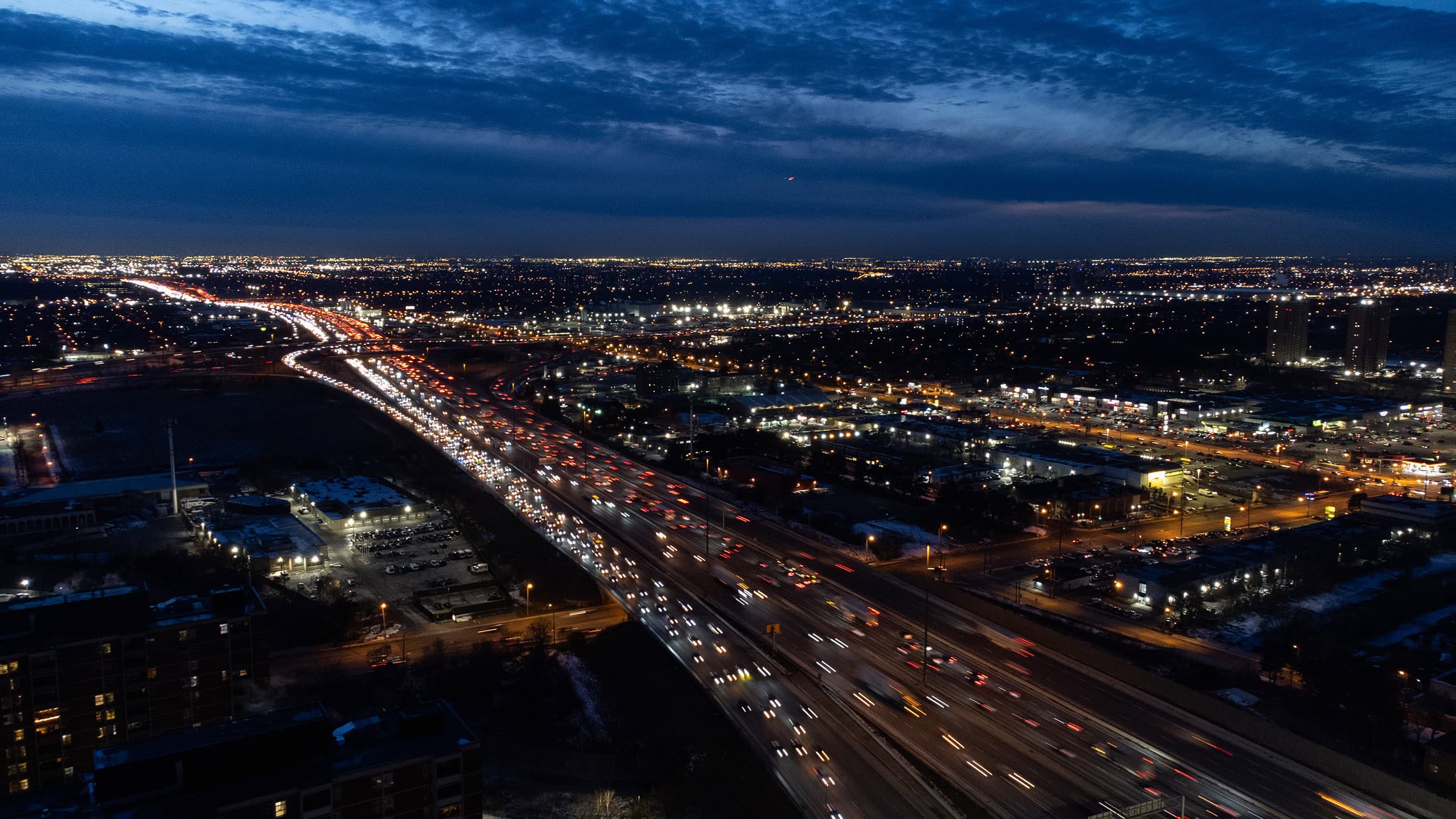
When the Canadian gas tax was first suspended, the parliamentary budget officer estimated that households with the lowest incomes would save less money than those with the highest incomes. Photo: Katherine KY Cheng / The Narwhal
Gas tax breaks are most beneficial to wealthy households
When the government first announced the fuel tax suspension, the Winnipeg-based think-tank International Institute for Sustainable Development called it a “fossil fuel subsidy” because the only way Canadians receive it is by consuming fuel.
Nichole Dusyk, Canada energy transition lead at the institute, said she recognizes there’s an affordability crisis and that a tax break on fuel can distribute a little bit of money to a lot of people.
But she said the relief isn’t targeting the people who need it most. Wealthy households tend to buy more gas and drive more often, she said, so they see the greatest benefits from gas tax breaks compared to lower-income households.
When the tax was first suspended, the parliamentary budget officer estimated that households with the lowest incomes would save only $59 between April 20 and Labour Day, while the highest incomes would see $211 in savings.
For those families who don’t own a car at all, they have no way of directly accessing this relief, Dusyk said.
Asked about these criticisms, Champagne’s press secretary John Fragos argued the measure “promises to not only bring down costs at the pump but across the board too.”
“Canadians will benefit, just as truckers and businesses in the food, agriculture, housing, construction and delivery sectors will similarly save, and because fuel is so omnipresent, a reduction in one area, drives savings through others altogether,” Fragos wrote in an emailed response.
The Narwhal asked the minister’s office if it had any estimates on hand for what kind of indirect cost savings the government was expecting to see.
Fragos said there were “too many variables at play” to offer any firm estimates. But nevertheless he expected to see around 30 cents on the litre in total savings, as the cut reduces production and transportation costs for a wide range of goods.
The federal government has no requirement that manufacturers or transportation companies pass gas tax savings on to consumers.
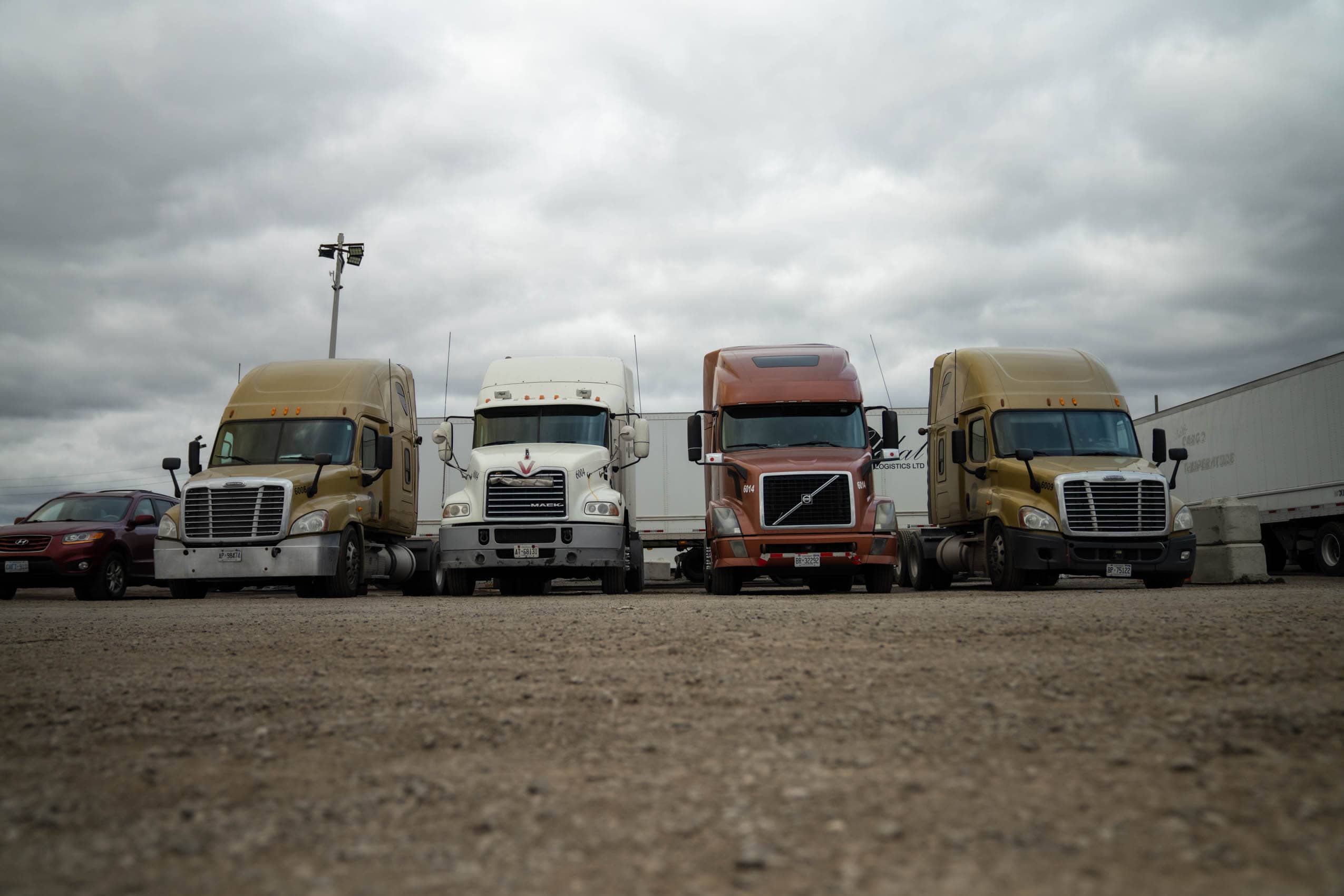
One expert said a better option than staying the gas tax might be boosting the Canada Groceries and Essentials Benefit, so households in lower income brackets can decide where the money should go. Photo: Katherine KY Cheng / The Narwhal
Experts offer cost-savings alternatives to Canada’s gas tax break
Removing the gas tax also encourages more fossil fuel consumption, Dusyk said. That may mean Canada’s emissions will rise, leading to increased costs on society and more difficulty implementing the country’s official goal of net-zero emissions.
Climate change is leading to more frequent and intense wildfires, which generate toxic smoke that drives up hospital emergency visits, costing the health-care system, while air pollution creates more burdens through increased heart disease, stroke, cancer and premature death. Emergency response and evacuations are also expensive for governments and individuals.
A federal climate science report released on Sept. 3 said this extreme weather will continue to get worse with climate change, and that the question of whether global warming can stabilize after 2050 “will be determined by the level of global greenhouse gas emissions.”
“On both fronts, it’s not really working,” Dusyk said of the tax break. “It’s not an effective policy to really tackle affordability, but it’s also making the climate crisis worse.”
She said a better approach could be to take the billions of dollars in revenue associated with the tax and use it to boost the Canada Groceries and Essentials Benefit, which is the new name for the federal GST/HST credit.
That could allow households in lower income brackets to decide whether the money should go towards fuel, if they do drive a lot, or for covering other essentials.
Another approach could be to reduce Canadians’ exposure to fossil fuel price volatility by supporting the electrification of heating or transportation, or improved public transit, she said.
While the Carney government has recently committed billions to transit and clean energy, the amounts are dwarfed by its multibillion dollar commitments to fossil fuel projects, including part ownership of a new oil pipeline to the West Coast and financing for a carbon capture project that will address only a small fraction of oilsands emissions.
The Narwhal’s reporters are telling environment stories you won’t read about anywhere else. Stay in the loop by signing up for our free weekly dose of independent journalism.
From The Narwhal | News on Climate Change, Environmental Issues in Canada via This RSS Feed.
Gas tax means nothing without building infrastructure for sustainable transportation which is something no level of government seems to be interested in seriously approaching in North America. High gas prices affect lower income car dependent communities significantly in the absence of a good cycling and transit system.