

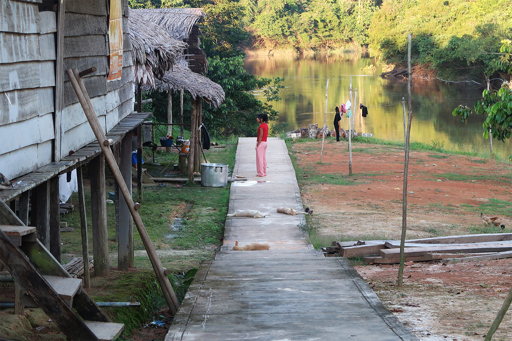
Mongabay staff writer Aimee Gabay joins the Newscast this week to discuss her reporting trip to the Peruvian Amazon, where she spoke with the Indigenous Matsés community. She made the trip initially to examine environmental threats to Matsés territory. Instead, she found them suffering from an epidemic of malaria and hepatitis B, which they have been asking the Peruvian government to help address. “The story itself was a surprise … every question directed to them about environmental changes would immediately become an issue about health,” Gabay says. The Matsés people have long experienced conflict with outsiders such as rubber tappers encroaching into their territory. So in 1969, in the hope of finding help to ease the conflict, they chose to initiate contact with the outside world, reaching out to evangelical missionaries, Gabay says. But making contact also exposed them to diseases they’d never encountered before, and since then they’ve suffered from a barrage of epidemics. “They don’t have the immunological defenses to be able to fight these diseases that maybe, for us, we are constantly exposed to,” she says. The current epidemic of malaria and hepatitis B they face is being exacerbated by climate change, drought, and state neglect. Prolonged dry weather allows for favorable conditions for malaria-bearing mosquitoes to breed, and at the same time cuts off the river transit that the Matsés depend on for access to health care. Community members have travelled to the nearest major city to plead with the Peruvian government, but they say they’re…This article was originally published on Mongabay
From Conservation news via This RSS Feed.