

The UK has announced a ban on trade in goods with illegal Israeli settlements in the West Bank, with France and Canada following suit in a joint statement.
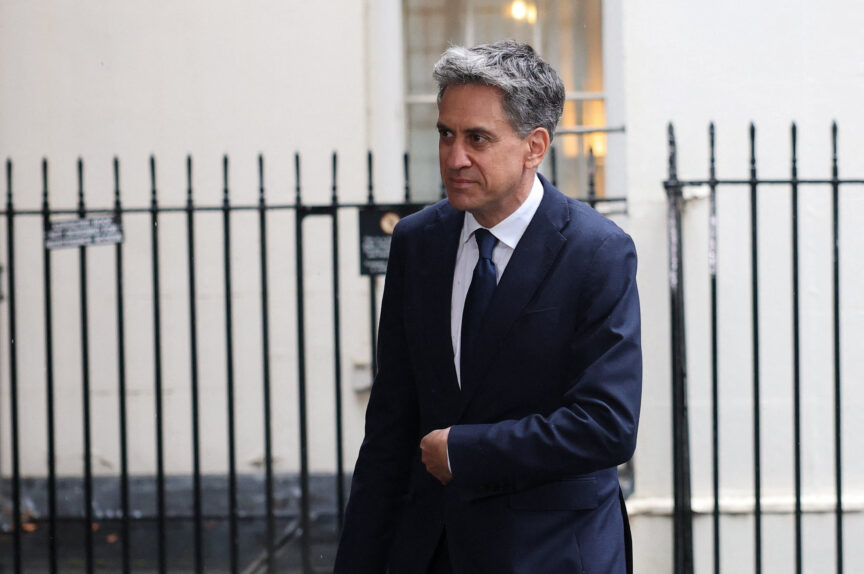
Foreign secretary Ed Miliband announced the measure in parliament on Tuesday, adding that the government will “take action against specific companies and individuals who provide services such as construction, infrastructure financing or real estate for settlement expansion.”
The government will also ban companies from advertising property in illegal settlements in the UK.
He did not specify the full scope of the restrictions on services. Critics of a similar measure by Ireland recently argued that excluding some services would allow firms such as Airbnb to keep operating in illegal settlements.
Miliband said the government “should have acted earlier” and “it has taken the new prime minister to come in and recognise the gravity of the situation.”
He said the UK government recognised the “ethnic cleansing of Palestinians in areas of the West Bank perpetrated by settler terrorists.”
But Miliband confirmed the UK would continue to allow the exports of parts for F-35 fighter jets to Israel, arguing they arrive “indirectly” via “the global supply chain” and preventing this would require “downing” the entire F-35 programme.
The government will, however, add to existing arms restrictions with “a double lock” by refusing “all licence applications for arms and other exports that materially contribute to the occupation”, he said.
The new trade restrictions, which will take six to nine months to come into effect, will only apply to the West Bank, Miliband stressed. “We will continue to support important and valued trade with green-line Israel,” he said, referring to the pre-1967 borders, “precisely because we support the two-state solution, including security and prosperity for Israel.”
He added: “I wholeheartedly oppose the boycott, divestment, sanctions or BDS campaign.”
The new measures have angered the US, but British diplomats reportedly told the Trump administration the ban is “largely symbolic”, according to Bloomberg.
The Palestinian presidency welcomed the measures as “an important step toward confronting Israel’s colonial settlement system and its violations against the Palestinian people.”
From Novara Media via This RSS Feed.