

This article by Alejandro Alegría originally appeared in the September 6, 2026 edition of La Jornada, Mexico’s premier left-wing daily newspaper.
The Olmeca refinery of Petróleos Mexicanos (Pemex) reached a fuel production of 252,000 barrels per day in July—the highest since the plant began operating—which is equivalent to a 78.75 percent increase compared with June.
It is the third time that these facilities, located in the municipality of Paraíso, Tabasco, have exceeded 200,000 barrels per day. This comes six months after they had shown a steady decline in performance.
It is also the first time the refinery has reached 74.23 percent of its production capacity, which is 340,000 barrels per day.
Compared with the July 2025 average of 155,000 barrels per day, fuel production at the Dos Bocas Refinery, as it is also known, rose 62.41 percent.
In the period in question, the Olmeca Refinery contributed 21.17 percent of Pemex’s total fuel production, which amounted to 1,191,000 barrels per day. It ranked only below the Salina Cruz Refinery, in Oaxaca, which averaged 252,000 barrels per day, and above Tula, in Hidalgo, which produced 196,000 barrels per day.
According to data from the Ministry of Energy (Sener), demand for gasoline and diesel so far in 2026 averages 1,300,000 barrels per day.
Although production data vary from month to month, the Olmeca refinery’s output in July was equivalent to 19.38 percent of total domestic demand.
Historically, Mexico has imported a little more than half of the fuel it consumes.
The increase in refining at these facilities is explained by the upticks in gasoline and diesel.
In July, gasoline production averaged 108,000 barrels per day, 127.9 percent more than in June, when Pemex reported 47,000 barrels each day. Some 87,000 barrels per day of regular fuel, or ultra-low-sulfur Magna (UBA), and 20,000 of Premium were produced.
In turn, diesel production averaged 93,000 barrels per day, a 45.78 percent rise from the 64,000 barrels of June. All of this fuel is of the ecological type.
The process volume—that is, the distillation of crude to separate its useful components and turn it into final products such as fuels, plastics and other chemicals—was 228,000 barrels per day, a 62.22 percent increase over June, when the average was 141,000 barrels per day.
With these figures, the Olmeca Refinery reached 67.32 percent of its processing capacity. According to Pemex, full capacity cannot be reached for operational reasons, although it can come close to the maximum.
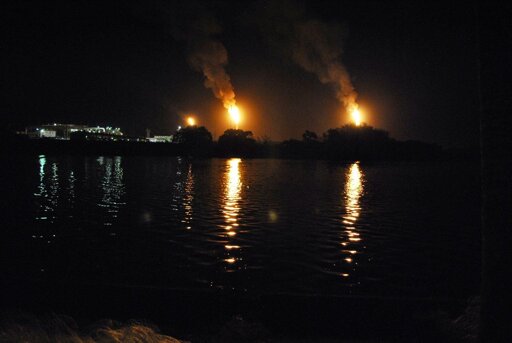
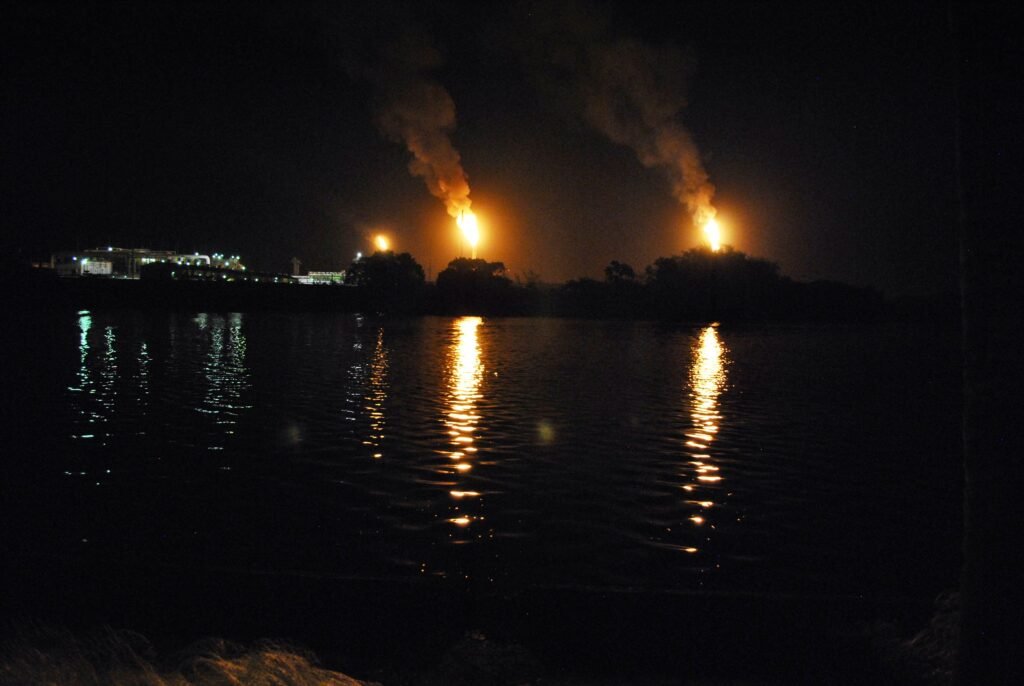
In July, Pemex reported a fire at the Dos Bocas Refinery, although the company said this incident did not affect operations. Throughout the first half of the year several incidents were also reported, although they did not affect the facilities’ activities either.
-

Work on the Mexico City–Guadalajara Train Begins in 2027, Sheinbaum Announces from Jalisco
September 6, 2026September 6, 2026
After decades of abandonment, Mexico is rebuilding its passenger railway: the Mexico City–Guadalajara line breaks ground in 2027, another stretch of a national network being revived to connect most major cities.
-
Mexico’s Olmeca Refinery Achieves Record Production in July
September 6, 2026
The Olmeca refinery, built under AMLO, hit a record 252,000 barrels per day in July, covering 19.38% of Mexico’s diesel and gasoline demand.
-

Madrid, ‘The New Miami’: Mexican Oligarchy and Politicians Turn Spain into a Favorite Destination
September 6, 2026September 6, 2026
Former presidents Calderón, Peña Nieto and Salinas de Gortari enjoy a golden retirement in Madrid, where figures like Elba Esther Gordillo also mingle.
The post Mexico’s Olmeca Refinery Achieves Record Production in July appeared first on Mexico Solidarity Media.
From Mexico Solidarity Media via This RSS Feed.