

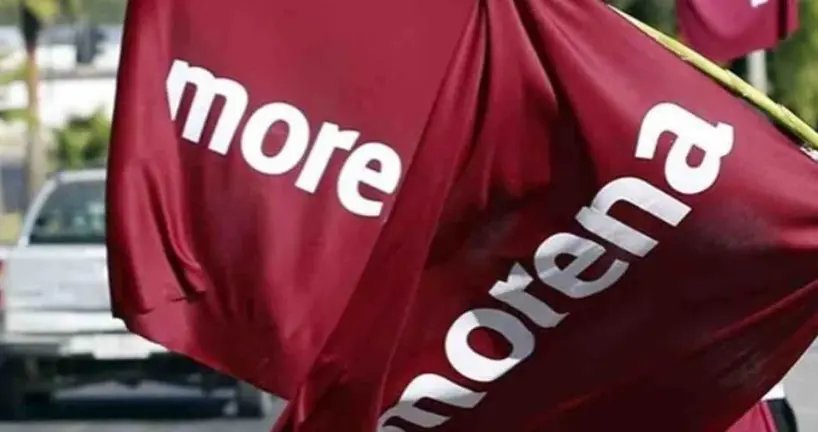
Morena 2027 elections strategy focuses on unity and countering opposition as Mexico prepares for major midterm polls across 30 states.
Related: Visa Cancellation: Morena Denounces U.S. Political Pressure on López Beltrán
Morena 2027 elections strategy: Party leaders call for unity ahead of key midterm polls
Leaders of Mexico’s ruling party, Movimiento Regeneración Nacional (Morena), have issued a strong call for internal unity as they prepare for the 2027 midterm elections, a critical contest that will renew 17 state governorships, 31 local congresses and mayoralties in 30 entities, including Mexico City. The message was delivered during a rally at the Plaza de las Tres Culturas in Tlatelolco, marking the closing of citizen assemblies focused on defending national sovereignty.
The Morena 2027 elections strategy centers on consolidating an electoral majority capable of neutralizing opposition narratives. Party General Secretary Citlalli Hernández stated bluntly: “We need to leave them without a task,” emphasizing Morena’s confidence in its political and moral authority to counter rival claims.
According to Hernández, public trust in opposition messaging has significantly eroded, creating an opening for Morena to strengthen its position. However, leaders cautioned that victory is not guaranteed and requires sustained mobilization in the months ahead.
Morena 2027 elections strategy: mobilization and electoral consolidation
The Morena 2027 elections strategy includes a clear focus on transforming popular support into a solid electoral majority. Paulo García, Morena’s leader in Mexico City, emphasized that “wins will not fall from the sky,” urging militants to intensify grassroots organizing and voter outreach.
The party’s approach combines territorial work, citizen engagement and narrative control, aiming to maintain momentum from previous electoral cycles. Officials highlighted the importance of defending sovereignty and social programs, which remain central pillars of Morena’s political identity.
Aleida Alavez, mayor of Iztapalapa, reaffirmed local governments’ commitment to backing President Claudia Sheinbaum against an opposition she accused of “licking the boots of the northern neighbor,” a reference to perceived alignment with U.S. interests.
External references for electoral oversight:
Morena 2027 elections strategy and concerns over external interference
A distinctive element of the Morena 2027 elections strategy is its emphasis on preventing foreign interference in the electoral process. President Sheinbaum previously warned that there is a real possibility of external manipulation, prompting legislative action to address the risk.
In May, Sheinbaum supported a proposal approved by the Chamber of Deputies that would allow for the cancellation of elections if foreign interference is proven. This measure reflects heightened sensitivity to geopolitical dynamics and the potential for external actors to influence domestic politics.
The Morena 2027 elections strategy thus incorporates both domestic mobilization and institutional safeguards, aiming to secure electoral integrity while maintaining political momentum. Analysts note that these themes resonate strongly with the party’s base, particularly in the context of ongoing debates over sovereignty and autonomy.
Political context and internal coordination
The Tlatelolco rally featured interventions from key figures, including federal deputy Xóchitl Bravo, former Morena Mexico City leader Héctor Díaz Polanco, and Pedro Miguel from the party’s National Political Training Institute. Their presence underscored the coordinated nature of the Morena 2027 elections strategy, which seeks to align national, state and local efforts.
Party leaders stressed the importance of maintaining cohesion between Sheinbaum’s administration and the legacy of former President Andrés Manuel López Obrador (AMLO). Sheinbaum has publicly dismissed rumors of division, stating: “We are the same project that stands with the people.”
This narrative aims to project stability and continuity, countering opposition attempts to frame the government as fragmented or weakened.
Geopolitical context
The Morena 2027 elections strategy unfolds within a broader geopolitical environment where U.S.-Mexico relations and regional sovereignty debates play a significant role. Accusations of opposition alignment with Washington reflect deeper tensions over economic policy, migration and security cooperation.
The emphasis on preventing foreign interference also aligns with global trends where electoral integrity has become a focal point of national security strategies. In Latin America, concerns over external influence—whether from the United States, China or other actors—have shaped political discourse and policy responses.
For Morena, framing the 2027 elections as a defense of sovereignty serves both ideological and strategic purposes, reinforcing its identity as a movement rooted in national autonomy and social justice.
From teleSUR English via This RSS Feed.