

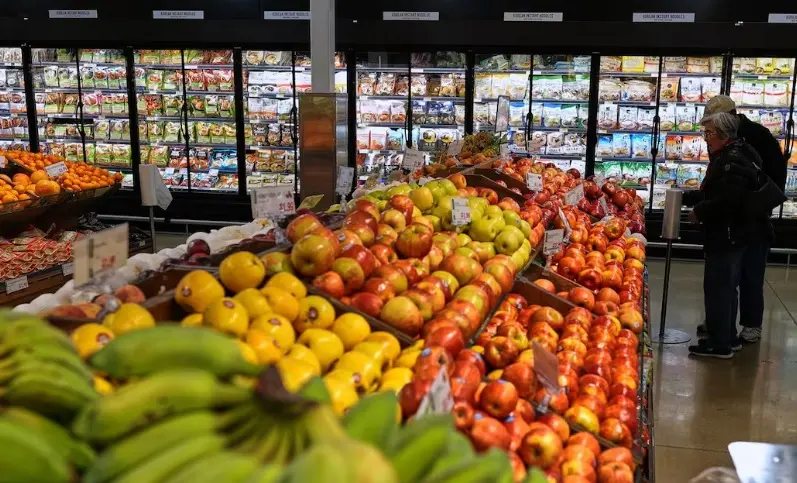
The global price of food experienced a significant rebound during the month of August, driven by extreme weather conditions and the resurgence of geopolitical tensions in the Middle East.
[Access to Food and Water Remains Difficult in Gaza, Turkish Red Crescent Warns: Global Food Prices Skyrocket Due to Drought and Crisis in the Middle East](https://www.telesurenglish.net/global-food-prices-skyrocket-due-to-drought-and-crisis-in-the-middle-east/)
According to the latest report from the United Nations Food and Agriculture Organization (FAO), the general indicator registered an increase of 2.5% annually compared to August 2025.
This rebound represents a considerable acceleration compared to the behavior recorded last July, when the upward variation was barely 0.6%.
According to the organization, the extreme heat experienced during the European summer caused severe droughts that impacted global agricultural production, while the war in the Middle East increased the cost of supplies.
Among the most affected items is the price of sugar, which registered a drastic rise of 11.9%, reaching its highest level in more than 13 months. For its part, wheat experienced a sharp escalation, soaring 15% in relation to the values reported the previous year.
Extreme heat is already affecting crops, livestock, forests, fisheries & the people who produce our food.
New @FAO–@WMO report on #ExtremeHeat & Agriculture shows the impacts & #ClimateAction needed to respond to this growing threat.
https://t.co/dyTg4xyBHp#EarthDay pic.twitter.com/plZVmV1uT9
— Food and Agriculture Organization (@FAO) September 4, 2026
In the case of corn, although market prices remained relatively stable, the FAO warned about prospects of lower agricultural yields in key regions of the United States and Europe.
This contraction in the expected harvest responds directly to the increase in the price of fertilizers, caused by interruptions and blockages in shipping routes in the Strait of Hormuz.
The report also indicates increases in the international prices of rice, vegetable oils and poultry meat. Beef was the main exception to the upward trend, registering a drop in its price after the establishment of import quotas by the Chinese government.
The FAO’s chief economist, Máximo Torero, has warned about the complex current situation of the global food supply chain. This is affected by the confluence of crises such as climate impacts, geopolitical tensions and logistical disruptions in trade, which leads to a reduction in supply forecasts.
The combination of adverse weather events and instability in the maritime transport of agricultural inputs is expected to continue increasing the costs of basic foodstuffs internationally in the coming months.
From teleSUR English via This RSS Feed.