

Venezuela has signed a historic contract with Miyamoto International to remove three million tons of debris left by the devastating June earthquakes, marking a significant step in the country’s recovery efforts.
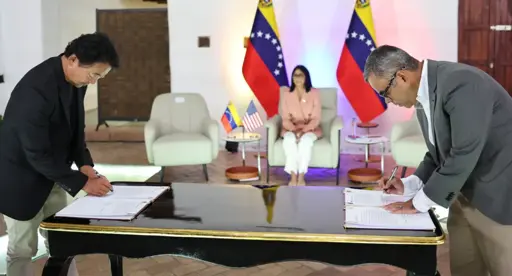
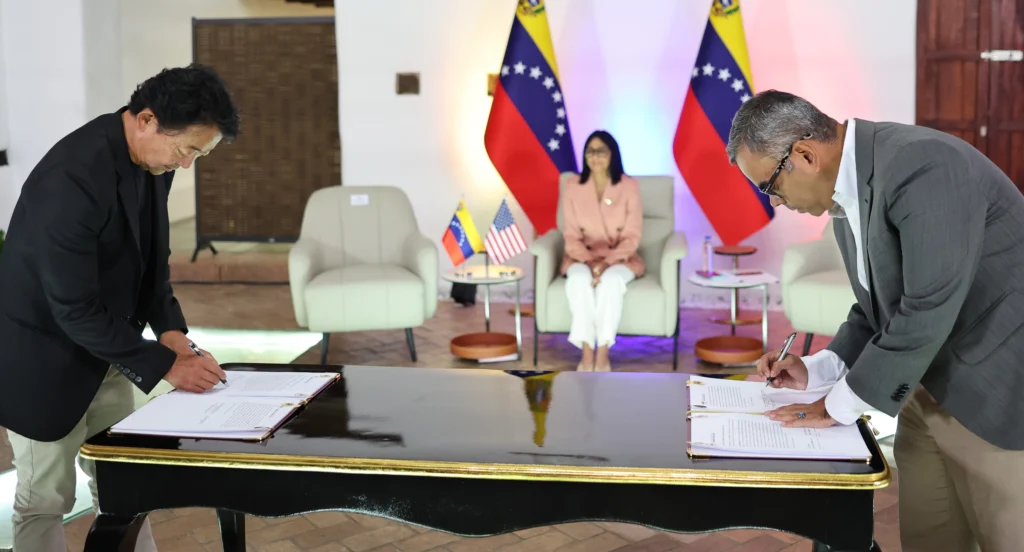
Venezuelan Ministry of Public Works and the global engineering firm Miyamoto International, based in the United States, signed a contract on Friday outlining the first phase of removing three million metric tons of debris generated by the catastrophic double earthquake on June 24.
The agreement aims to bolster Venezuela’s technical capacities in structural engineering, seismic risk management, and emergency response. The deal, which includes professional services and management, will see the removal and recovery of three million metric tons of debris over a one-year period.
RELATED: Venezuelan Acting President Enacts Housing Construction Law After Earthquakes
The partnership between Venezuela and Miyamoto International is a critical step in the country’s recovery efforts. The removal of three million tons of debris is a monumental task, but with the expertise of Miyamoto International and the collaboration of the Venezuelan government, there is hope for a swift and effective recovery.
Ver esta publicación en Instagram
Una publicación compartida de teleSUR English (@telesurenglish)
The signing ceremony was attended by key figures, including the Vice President of Public Works and Services and Minister of Public Works, Juan José Ramírez, along with Vice-ministers and members of the Dignified and Safe Clearance Plan. Representing Miyamoto International were the Chief Executive Officer, H. Kit Miyamoto, the Principal Director, Sabine Kast, the Executive Director, Jesús Valdez, and the representative Daniel Fernández.
The Ministry of Communication of Venezuela highlighted that the agreement also includes the exchange of technical knowledge, the strengthening of construction standards in the country, and the implementation of advanced protocols for disaster prevention and population protection.
Minister Ramírez celebrated the alliance with a company that has “extensive international experience in infrastructure, seismic events, and post-disaster management.” Ramírez noted that the “perfect articulation” with the U.S. government will consolidate everything needed for the “total reconstruction” of La Guaira, the most affected state by the earthquakes, which caused the collapse of numerous buildings.
For his part, Kit Miyamoto emphasized that the collaboration involves “combining capabilities with the private sector” of the country. “It is part of our goal: to work together with the Venezuelan people,” he expressed.
Technical Exchange For Response
Since the June earthquakes, Miyamoto International, which also specializes in disaster risk management, has been in Venezuela monitoring conditions and sharing engineering updates, field observations, and response resources as new information becomes available.
The agreement not only addresses the immediate needs of debris removal but also focuses on long-term solutions, including the exchange of technical knowledge and the implementation of advanced disaster prevention protocols. In this sense, the high-level technical assistance and operational cooperation framework is set to significantly improve the safety and resilience of Venezuela’s infrastructure.
The signing of this agreement marks a significant step forward in Venezuela’s efforts to enhance its infrastructure safety and resilience. By partnering with a global leader in structural engineering and seismic risk management, Venezuela is taking proactive measures to protect its citizens and infrastructure from the impacts of natural disasters.
The cooperation between Venezuela and Miyamoto International Inc. is expected to have a lasting impact on the country’s infrastructure and emergency response capabilities. The removal and recovery of debris, a critical aspect of post-disaster reconstruction, will be managed efficiently, ensuring that affected areas can be restored quickly and safely.
From teleSUR English via This RSS Feed.