

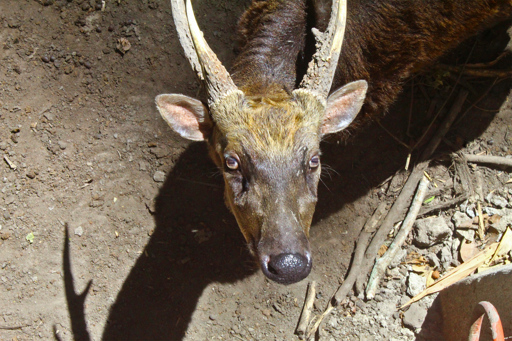
Scientists have sequenced the first-ever draft genome of the Philippines’ highly threatened Visayan spotted deer. The genome could guide efforts to save it from extinction, reports contributor Pippo Carmona for Mongabay. The Visayan spotted deer (Rusa alfredi) was once found across six islands in the central Philippines. But deforestation and hunting decimated its population, prompting the IUCN, the global wildlife conservation authority, to list it as endangered in 1988. By 2019, Philippine authorities had classified the species as nationally critically endangered. The last count from 2016 recorded only about 700 mature individuals, now only found on the islands of Negros and Panay. To understand the genetic health of the species, researchers from Silliman University and the Philippine Genome Center Visayas collaborated to map its DNA. They used a tissue sample from Abraham, a captive Visayan spotted deer that was raised and died at Silliman University’s Center for Tropical Conservation Studies (CENTROP). The sequenced genome contains 2.5 billion DNA letters and 24,531 genes. It’s the first genome that’s been sequenced for any of the Philippines’ endangered mammals. The researchers found Abraham’s heterozygosity score, a measure of genetic differences, was just 0.17, far below the 0.3 score typical of healthy, genetically diverse wild populations. The low score indicates his parents were genetically closely related. “Since Abraham is from a captive population, we expected to get a low heterozygosity result,” said Albert Noblezada, who runs the bioinformatics pipeline at the Philippine Genome Center Visayas. Noblezada added that decades of isolation have allowed inbreeding…This article was originally published on Mongabay
From Conservation news via This RSS Feed.