

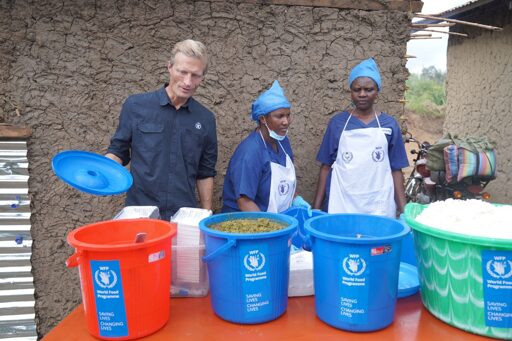
The recent Ebola outbreak caused by the Bundibugyo strain of the virus has reportedly claimed more than 3,000 lives, and more than twice as many reported cases, in the Democratic Republic of Congo, according to the U.S. Centers for Disease Control and Prevention. At the same time, analysts warn that roughly 26 million people across the region are experiencing a food insecurity crisis, a compounding factor that increases both the spread and lethality of the virus. “Hunger and disease are old companions,” Tedros Adhanom Ghebreyesus, director-general of the World Health Organization, said in a statement referring to the outbreak. “People weakened by hunger are far more vulnerable to infections.” Ebola weakens the immune system, making it more difficult for the body to fight the disease and recover once infected. Healthy food can both support an immune system response and improve conditions for medications to work properly, thus accelerating recovery, Grace Kwakezime Mongame, emergency nutritionist at the World Food Programme in DRC, told Mongabay in a call. A lack of reliable food can force people out of their homes where they potentially spread or contract the disease from others in the community. “Since the disease is transmitted through contact, moving around risks creating new layers of infection; the aim is to keep people within a single environment, Kwakezime said. WFP also provides food to patients’ families, especially dependent children, so the sick can rest and recover instead of leaving isolation to care for their dependents. The need for food can also…This article was originally published on Mongabay
From Conservation news via This RSS Feed.