

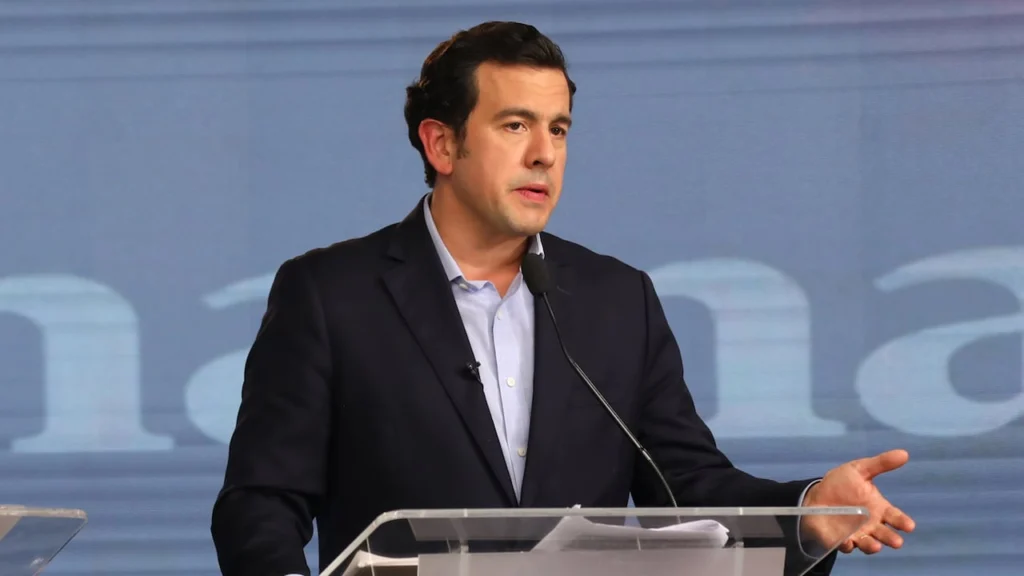
On Thursday, the Colombian government announced it is preparing an anti-terrorism statute that will establish an official list of organizations designated as terrorist groups and implement a special regime in criminal, penitentiary, and anti-money laundering matters. The announcement was made by Interior Minister Rodrigo Lara, who presented President Abelardo de la Espriella’s administration’s strategy to the Colombian Congress.
RELATED:
Colombian Ombudsman Seeks Security Council After Two Indigenous Leaders Killed in Cauca
“It is a comprehensive, precise statute focused on the organizations that are declared as terrorist groups on the lists we are going to create,” Lara stated, according to local media reports on Thursday.
The initiative seeks to establish a regime targeting the groups included on the list, with stricter measures in penitentiary and criminal matters, as well as mechanisms to combat their sources of funding.
The draft also includes strengthening state intelligence to prevent attacks, facilitating information gathering, and creating special bodies within the judicial branch. There will be a strengthening of intelligence capabilities by decision of the President of the Republic added the head of the political affairs ministry, who did not reveal the names of the groups that would be included on the list.
○ El Gobierno anunció un Estatuto Antiterrorista.
La propuesta busca crear una definición legal de organización terrorista, establecer un listado oficial y aplicar herramientas jurídicas específicas a las estructuras incluidas.
¿Por qué importa?
Colombia ya tiene tipificado… pic.twitter.com/t1GDJHEo33
— Alberto Sierra (@AlbertoSierrave) September 3, 2026
The text reads, “The government announced an Anti-Terrorism Statute. The proposal seeks to create a legal definition of a terrorist organization, establish an official list, and apply specific legal tools to the structures included. Why does it matter? Colombia already has a law classifying terrorist organizations as terrorist entities.”
Sources at the Ministry of the Interior confirmed to EFE that the initiative is still being drafted and that there is no set date for its submission to Congress, at which time it will be discussed in detail.
This measure has a precedent in 2003, during the administration of Álvaro Uribe, when Legislative Act 02 was approved. That reform allowed for wiretaps, arrests, and searches without a prior court order, with subsequent oversight by the Attorney General’s Office and judges.
The Constitutional Court declared the law unconstitutional due to procedural flaws, determining that the effects of a vote that did not reach an absolute majority were improperly suppressed in the House of Representatives, without addressing the substance of the issues raised.
The potential novelty of the statute does not lie in creating entirely new tools, as Colombia already has crimes and penalties for prosecuting terrorism and its sources of funding. The innovation lies in structuring these tools under a specific regime for organizations that the government designates as terrorist groups.
The current government in Colombia represents a change toward a strategy centered on security and military actions. In addition, a number of contentious events, including the end of peace efforts, have occurred in less than a month. #Colombia #Espriella #Military #teleSUREnglish pic.twitter.com/3Wu5D1GDHc
— teleSUR English (@telesurenglish) September 3, 2026
From teleSUR English via This RSS Feed.