

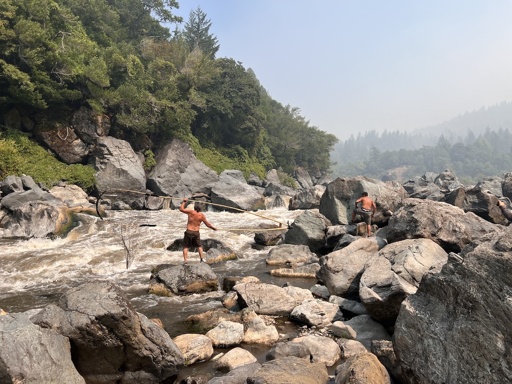
The drinking water for about 25 million Americans starts in the backcountry of the national forests, on land where roads are few by design. A rule the Trump administration proposed last week could open that land to roads and logging. On Aug. 18, the U.S. Department of Agriculture filed a proposed rule to fully rescind the U.S. Forest Service’s 2001 Roadless Area Conservation Rule, which bars new road construction and commercial logging on about 45 million acres (18 million hectares) of national forest. It was published in the Federal Register on Aug. 20, opening a 30-day public comment period that closes at midnight on Sept. 21. The proposed rule has drawn widespread criticism among wildland firefighters, environmental organizations, lawmakers and scientists. Much of the debate has centered on logging and fire. But researchers say some of the largest costs run downstream, into the taps of people’s homes. Wilder Mountain Inventoried Roadless Area ,Green Mountain National Forest in Vermont. Photo courtesy of Zack Porter / Standing Trees. Forests work as natural filters. They intercept rain, slow runoff, and trap sediment before water reaches streams, rivers and reservoirs. Roads and logging can undo that work, casting off sediment that utility companies must clean and driving up treatment costs. A 2024 study in Forests found that forest roads contribute up to 90 percent of sediment loads in streams and are “seriously disrupting the safety and stability of watersheds.” A study published in July in PLOS Water estimated that about 25 million Americans draw…This article was originally published on Mongabay
From Conservation news via This RSS Feed.