


Bullets:
American colleges and universities are seeing another double-digit collapse in foreign enrollments.
Chinese students increasingly are opting to study in domestic universities, which are climbing in global rankings, cost little, and afford better career opportunities after graduation.
The steep declines are devastating to university budgets. Tuition and fees collected by larger universities are lower by hundreds of millions of dollars annually, while smaller colleges are struggling to survive.
Inside China / Business is a reader-supported publication. To receive new posts and support my work, consider becoming a free or paid subscriber.
Report:
Good morning.
Universities and colleges in the United States are seeing a collapse in enrollments for international students. Earlier this Spring, 62% of surveyed schools realized an average drop of 24%, compared to last year.
American colleges point to the new, restrictive student visa policies from the Trump Administration as the source, of most of their problems. That’s especially true in the case of students from China.
New student visa issuance in the US dropped by 36% last year—2025—compared to 2024.
The takeaway here is that the student enrollment problem is accelerating; it was already bad last year, and this year is even worse. But there’s more to the problem, than the problems posed by the White House. If it were just the new F1 visa policies, international students would simply head off to Australia, Canada, or the UK instead.
But they’re not doing that either. Unis in those countries are also seeing big drops in students from abroad:
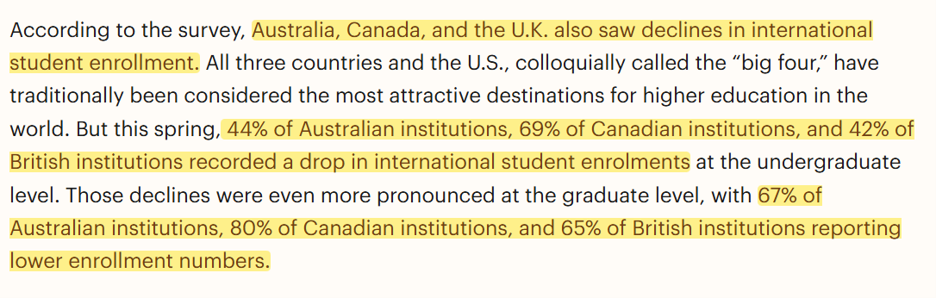
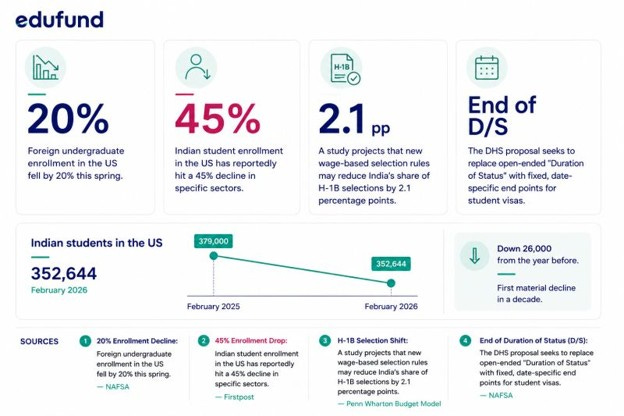
The challenge for the Big 4 countries is that Asian students are just staying here, in Asia. India and China are the world’s biggest countries, and even now supply the lion’s share of international students to Western colleges. The thinking was that if Chinese students stay home, US colleges could simply recruit more students from India. But enrollments by Indians are dropping as well, down 36,000 since last year, and 45% in some majors:
As for Chinese students, they have a lot more options here in China. Universities here are racing up the global rankings, and it’s easier for them to find jobs as graduates from Chinese schools, compared to hai gui students who get educated abroad and come back to find work.
Thousands of Chinese families continue to send their kids out, but staying in the same neighborhood—so to speak. Chinese students in Malaysian universities increased five times in five years; enrollments are also booming in Singapore and Thailand.
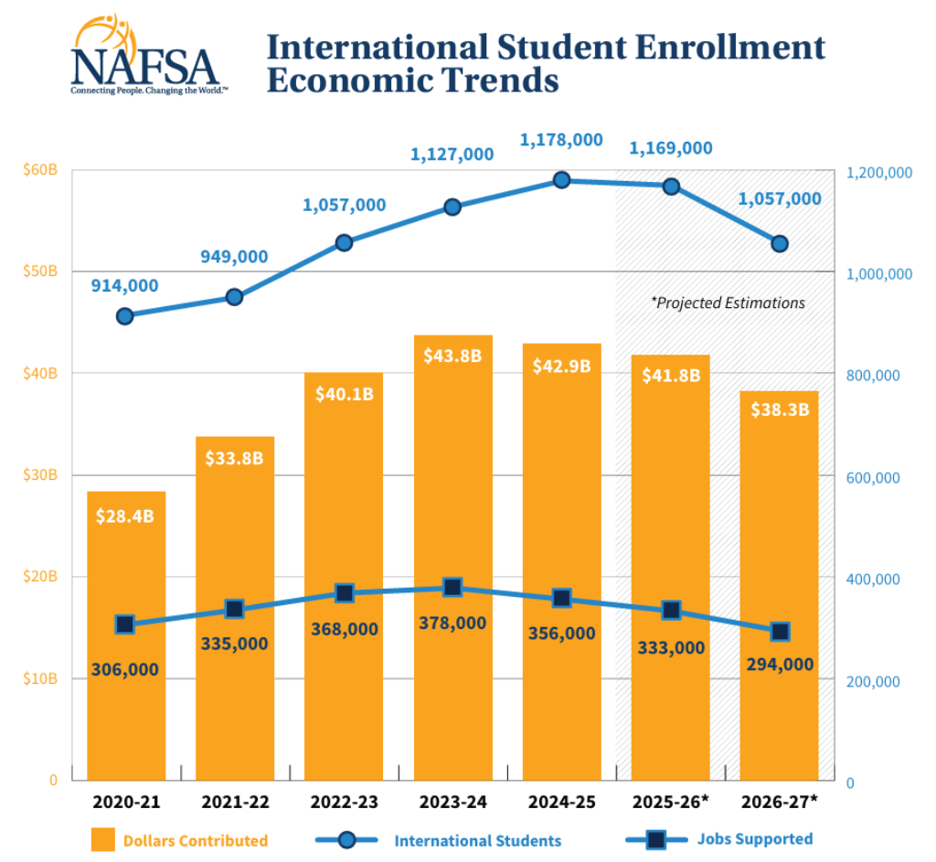
Fewer students means less money for American universities, and that in turn leads to job losses in US higher education. Three years ago, international students contributed over $43 billion to the US economy, directly supporting 378,000 jobs.
That was at he peak, and there were gradual declines, since. Today there are significant economic and job losses in every state, since just three years ago. Forty thousand jobs are likely to be lost in US higher education this year.
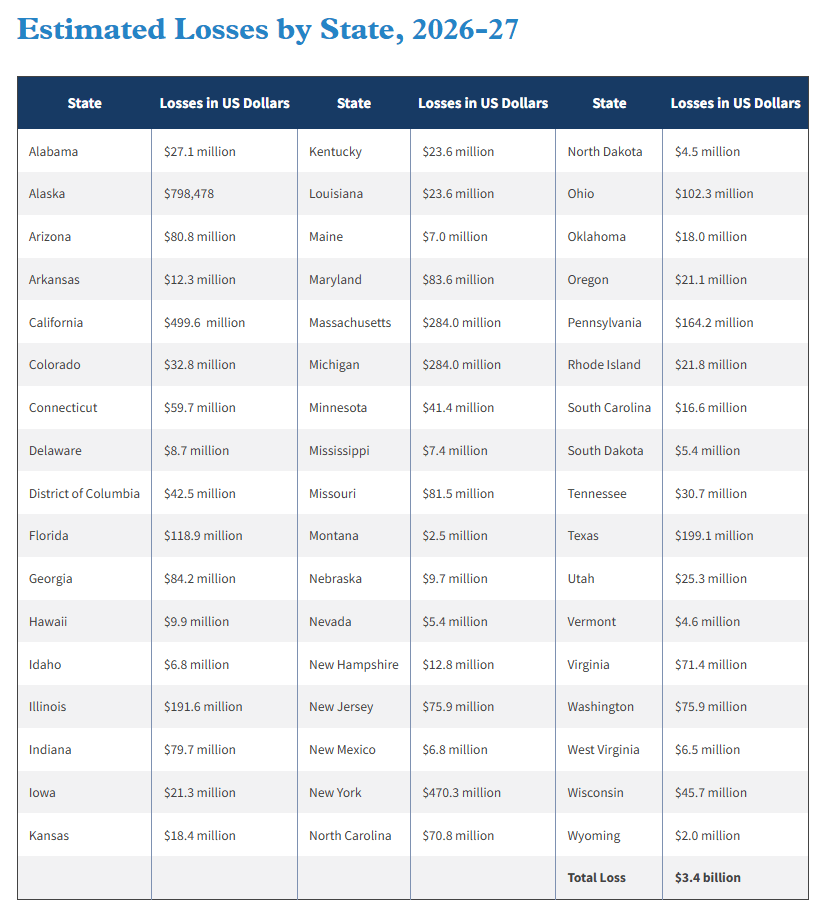
American universities are filing legal briefs to overturn some of the visa policies that they believe are hurting their enrollments, and their finances. Here are just a handful of examples, to help us see the problems they’ve got:
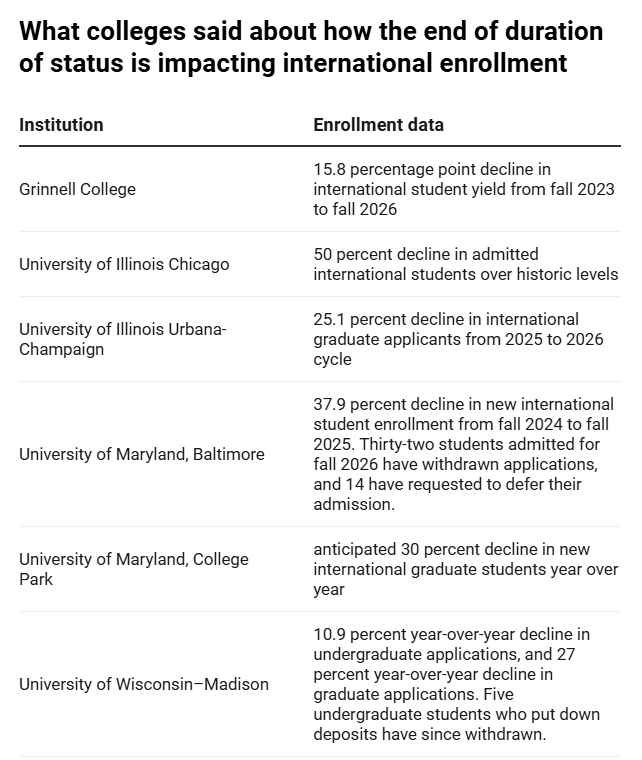
Foreign student enrollment at Grinnell College is down a sixth or so in three years; Grinnell earns $10 million a year in tuition from those students, so call that around $2 million in lost revenues, and they’re a small school. University of Illinois charges $50,000 a year for international undergrads, and graduate students from abroad pay far more than that. Illinois dropped by 25% just since last year. University of Maryland charges about $67,000 per year; they’re off 30%, in one year. Wisconsin is down 11% for international undergrads and 27% for graduates, in one year, and at $65,000-plus, each, that adds up.
Those are large institutions; nearly 8,000 foreign students study at Wisconsin-Madison, and if their international enrollments are down by 1,600 or so, that’s over $100 million in lost tuition and fees.
This is an industry—a huge, for-profit industry. Education is the sixth-largest services export, for the United States. But the deeper issue for that industry is much more serious; it simply is no longer competitive.
US universities are falling in the rankings—even though they’re charging more—and Chinese schools are coming up. It’s especially true in the STEM fields—in the United States, universities are closing majors, because of lack of demand—fewer students.
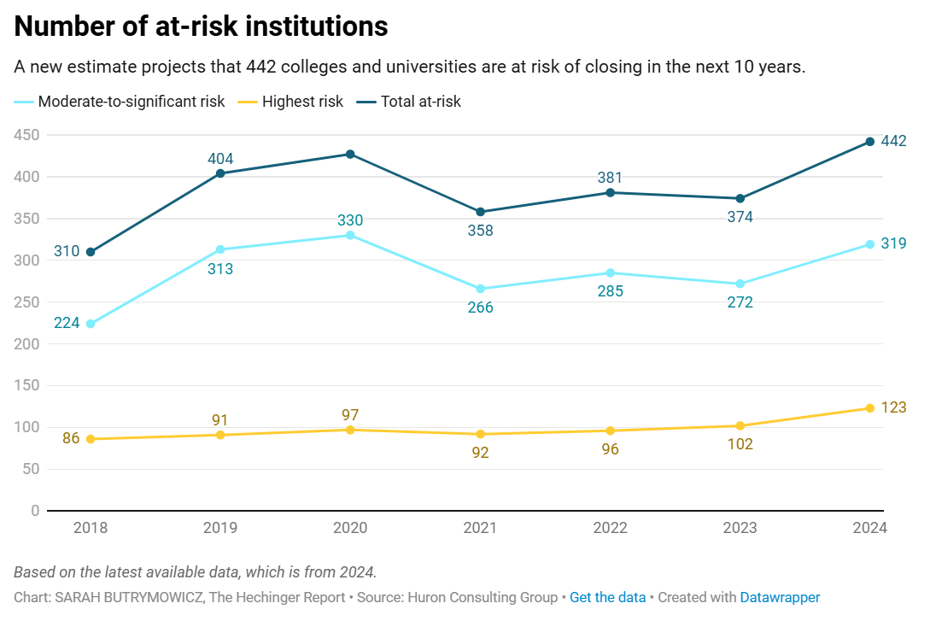
That’s not happening in China, where universities are graduating one and a half times as many PhD’s in STEM.
And to repeat an issue we’ve raised previously—many of those STEM grads from US programs were students from China, who would pick up their diploma and go to the nearest airport, after their families dumped half a million dollars into their education. Now the kids are staying in China, and Mom and Dad’s money is also staying here.
Be Good.
Resources and links:
America’s lost Chinese students are staying home instead
https://asiatimes.com/2026/08/americas-lost-chinese-students-are-staying-home-instead/
New Research: Loss of 111,000 International Students Could Cost U.S. Economy $3.4 Billion
https://www.nafsa.org/fall2026outlook
Why Americans should care when international students stop coming
https://www.luminafoundation.org/news-and-views/why-americans-should-care-when-international-students-stop-coming/
International Students Contributed $43 Billion to the U.S. Economy in 2024-2025; Fall 2025 Spending Down by $1.1 Billion
https://www.nafsa.org/about/about-nafsa/international-students-contributed-43-billion-us-economy-2024-2025-fall-2025
International student enrollment falls amid tighter U.S. visa policies, reports show
https://www.cnbc.com/2026/08/21/international-student-enrollment-us-visa-policies.html
How New Visa Limits Are Already Affecting Colleges
https://www.insidehighered.com/news/global/international-students-us/2026/08/24/international-student-rule-already-spurring
Once globally preeminent, U.S. universities are sliding into decline
https://hechingerreport.org/once-globally-preeminent-u-s-universities-are-sliding-into-decline/
Research on Education Services
https://www.trade.gov/research-education-exports
University of Maryland, College Park, Estimated Cost of Attendance
https://marylandglobal.umd.edu/global-learning-all/international-students-scholars/getting-started/international-students/admitted-f-1j-1-students/proof-financial-resources/estimated-cost-attendance
Tuition & Costs
https://www.admissions.illinois.edu/tuition/
US Colleges Report 20% Drop in Foreign Students Over Visa Clampdown
https://www.bloomberg.com/news/articles/2026-05-11/us-colleges-report-20-drop-in-foreign-students-over-visa-clampdown
As U.S. Enrolls Fewer International Students, Universities in Asia Are Going the Other Direction
https://time.com/article/2026/05/12/us-university-higher-education-international-students-asia-trump-immigration-visa/
OPT growth pushed USA to record high of international enrolment in 2024//25, but drop in new students this year
https://studytravel.network/magazine/news/0/31793/opt-growth-pushed-usa-to-record-high-of-international-enrolment-in-202425-but-drop-in-new-students-this-year
More than a quarter of private colleges are at risk of closing, new projection shows
https://hechingerreport.org/more-than-a-quarter-of-private-colleges-are-at-risk-of-closing-new-projection-shows/
America’s STEM graduate shortage is much worse than we thought.
Inside China / Business is a reader-supported publication. To receive new posts and support my work, consider becoming a free or paid subscriber.
From Inside China / Business via This RSS Feed.
Part of the Republican plan. Shut down higher education, replace it with very expensive training.
