

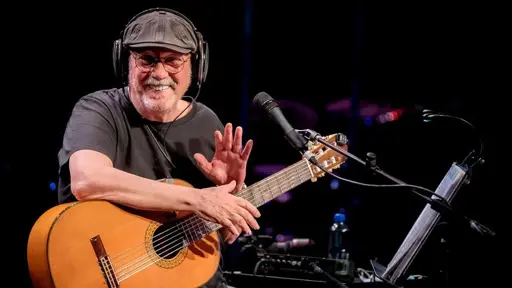
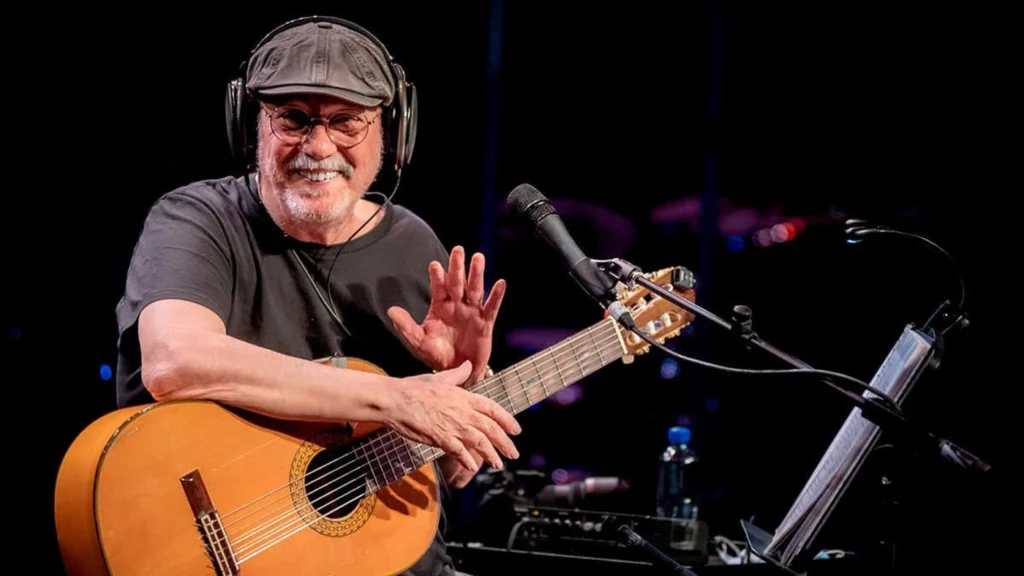
The musician emphasized the importance of cultural activity as a source of spiritual cohesion.
On Tuesday, Cuban singer-songwriter Silvio Rodriguez reflected in an interview on culture, national identity, and the challenges facing Cuba, highlighting that daily life is marked by shortages of fuel, medicine, and basic resources due to the U.S. blockade.
RELATED: Silvio Rodríguez opens his Latin American tour with a concert at the University of Havana
He explained that music schools and universities have suffered early closures due to power outages, while orchestras continue working with sacrifices and improvised solutions, such as using tricycles to compensate for the lack of public transportation.
Regarding the migration of musicians, he noted that some of his collaborators live outside of Cuba, although he is confident that, as in other crises, artists will be able to return when conditions improve, maintaining cultural vitality on the island.
The musician emphasized the importance of cultural activity as a source of spiritual cohesion, from symphonic concerts to children’s choirs, which accompany and strengthen the population amid the difficulties of daily life.
Regarding Cuban trova, he mentioned that television programs and gatherings still exist, while the poet Victor Casaus is trying to revive the Pablo de la Torriente Brau Cultural Center, a key space for music and the arts for three decades.
Patriotic pride and divine privilege: our Silvio Rodríguez @citaconsilvio in #Barcelona, overflowed the Gran Teatro del Liceo with more than 2300 people sitting, because #CUBA is BIG, VERY BIG. Thank you Silvio, thank you very much. https://t.co/I5teNmue03
— Tani (@Tani_DL) September 2, 2026
Rodriguez defended the need to restore the original meaning of the Revolution, conceived as a project of the people and for the people, moving away from bureaucracy and “returning to the seed” of intelectual Jose Marti.
On cultural policy, he recalled the “Gray Five-Year Period” of the 1970s and positively assessed later periods with Armando Hart and Abel Prieto as ministers, highlighting Fidel Castro’s role in supporting artistic diversity.
The musician emphasized that the economic liberalization measures were expected by the population, as many practices were already being carried out spontaneously for survival, although he believes it is necessary to review laws and the Constitution to adapt them to current needs.
More than 1.4 million children in Cuba are returning to the classroom to exercise their right to education. As teleSUR correspondent Belén de los Santos reported earlier, the new school year is beginning despite the severe economic pressures and energy problems resulting from the… pic.twitter.com/j4taQ9E4VM
— teleSUR English (@telesurenglish) September 2, 2026
teleSUR: JP
Source: Cubadebate
From teleSUR English via This RSS Feed.