

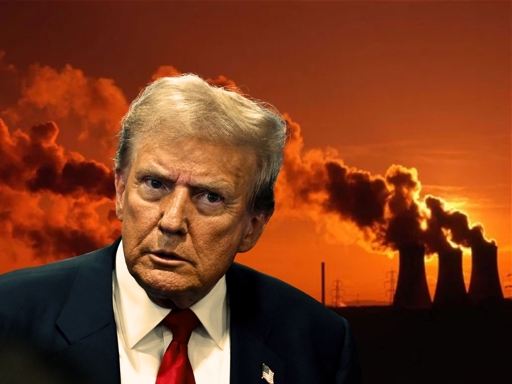

A US government energy body has blamed a technical issue for delays to a major report on global energy markets. The last assessment, published by the US Energy Information Administration in May 2026, indicated global markets were under intense strain. Energy researcher Rory Johnston posted on X on 31 August:
EIA monthly data release delayed due to tech fault
Commodity Context monthly North American data deck also delayed due to said tech fault pic.twitter.com/HtoqqV86DM
— Rory Johnston (@Rory_Johnston) August 31, 2026
US energy report delayed
US outlet Drop Site News said:
The delay leaves the latest detailed monthly federal snapshot stuck at May amid an intensely strained market: disrupted shipping through Hormuz, Brent crude above $90 and the Strategic Petroleum Reserve at 289.7 million barrels—its lowest level since 1982.
NEW: The U.S. Energy Information Administration has delayed its Petroleum Supply Monthly covering June 2026, citing “operational issues with how our back-end and public-facing systems interact.” The agency says it will publish the report sometime in September, “once we validate… https://t.co/HAdkCelwqK
— Drop Site (@DropSiteNews) August 31, 2026
The purpose of the Us energy report is to show:
how much crude each state produced; how much gasoline, diesel and jet fuel refineries made; where oil was imported from and exported to; where inventories stood; and how supplies moved around the country.
Continuing shocks caused by a war of choice
Iran and the US are currently deadlocked over access to the Strait of Hormuz. The strait carries around 25% of the world’s seaborne oil trade. US-Israel attacked Iran first on 28 February without provocation. Iran was offeringunprecedented concessions in negotiations at the time.
Despite Trump admin claims, the Pentagon hasstated there was no imminent threat from Iran. And the UN’s atomic watchdog, the IAEA, has said there isno evidence Iran was developing a nuclear weapon. The US has achieved none of its original war aims. Iran predictably closed the Straits of Hormuz, a vital oil channel, once attacked – creating a global crisis.
Trump came to power on an anti-war ‘America First’ ticket. He now faces worldwide humiliation. Under severe pressure, the International Energy Agency (IEA)agreed on 11 March to:
make 400 million barrels of oil from their emergency reserves available to the market to address disruptions in oil markets stemming from the war in the Middle East.
Here’s a key detail in the IEA statement:
An average of 20 million barrels per day of crude oil and oil products transited the Strait of Hormuz in 2025, or around 25% of the world’s seaborne oil trade. Options for oil flows to bypass the Strait of Hormuz are limited.
The US-Israeli attack on Iran will not end soon. The energy squeeze will be felt not just across the US, but across the world until is does. The public will carry the cost for now.
Featured image via the Canary
By Joe Glenton
From Canary via This RSS Feed.