

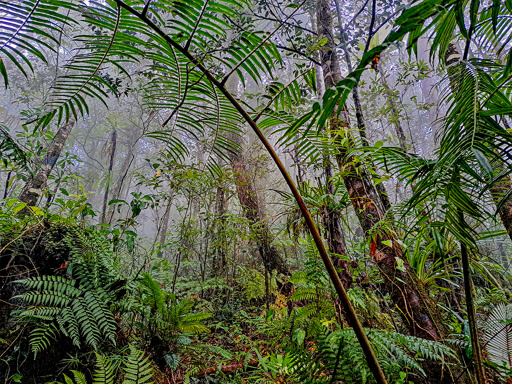
In the forests of the Philippines’ Mindoro Island, an urgent effort is underway to record the vanishing ecological knowledge of the Indigenous Iraya Mangyan community. As elders age and fewer young people learn beside then, and deforestation and infrastructure development threaten the island’s endemic wildlife, traditional knowledge holders are partnering with conservationists to document wildlife, medicinal plants, and culturally important places, reports contributor Keith Anthony Fabro for Mongabay. The community’s roughly 40,000-hectare (100,000-acre) ancestral domain overlaps with the UNESCO-designated Puerto Galera Biosphere Reserve, a protected ecological region on the northern tip of the island. There, the Center for Conservation Innovations Philippines (CCIPH), an NGO, is helping record the community’s oral heritage under the Mindoro Forest and Biodiversity Programme. The environmental information gathered from the community becomes part of the Iraya’s Ancestral Domain Sustainable Development and Protection Plan, said Rey Luna, CCIPH project management adviser and former provincial officer of the National Commission on Indigenous Peoples. Among the knowledge being documented is how local birds guide the Iraya’s daily lives and forest protection. These include three endemic birds deemed culturally important by the CCIPH: the turis, or Mindoro racket-tail (Prioniturus mindorensis); the siruk, or Mindoro boobook (Ninox mindorensis); and the sulit, or Mindoro scops owl (Otus mindorensis). The IUCN Red List classifies the turis and siruk as vulnerable, and the sulit as near threatened. These birds carry deep spiritual and practical significance for the community. For instance, the sulit is associated with departed relatives, while the siruk’s calls are said to…This article was originally published on Mongabay
From Conservation news via This RSS Feed.