

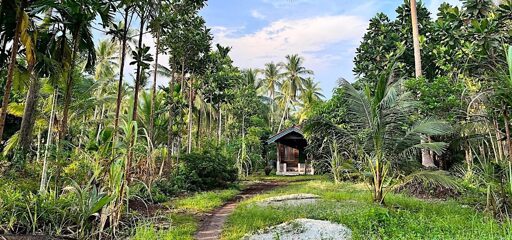
Since the launch of global restoration initiatives such as the U.N. Decade on Ecosystem Restoration (2021-2030), large-scale tree planting has become the hallmark of many restoration projects. Ambitious targets, such as The Nature Conservancy’s Plant a Billion Trees campaign and the World Economic Forum’s One Trillion Tree Initiative, highlight the potential of tree-based restoration in achieving the triple goals of climate change mitigation, biodiversity conservation, and social well-being. However, this fascination with the number of trees planted often obscures the more complex challenges of ensuring tree survival, resilience, and adaptation in the face of climate change. Addressing these challenges requires not only technical expertise but also place-based knowledge that communities living within and around these forests have accumulated over generations. In the tropical forests of Southeast Asia, forest restoration does not occur in a vacuum: Indigenous peoples and local communities (IPLCs) are dependent on forests for their livelihoods and subsistence. Their familiarity with the local species, landscapes, and ecological rhythms makes them indispensable partners in restoration efforts. Engaging IPLCs is especially important when it comes to the delicate process of collecting, storing, and caring for plant propagules and seedlings (hereafter referred to as seed), which can contribute to higher survival rates and more resilient forest stands over time. This commentary examines how integrating IPLC knowledge into the upstream process of seed propagation can strengthen forest restoration outcomes in Southeast Asia, and what enabling conditions are needed to support their meaningful participation. Natural forest in Indonesia. Image by Rhett A. Butler/Mongabay.…This article was originally published on Mongabay
From Conservation news via This RSS Feed.