

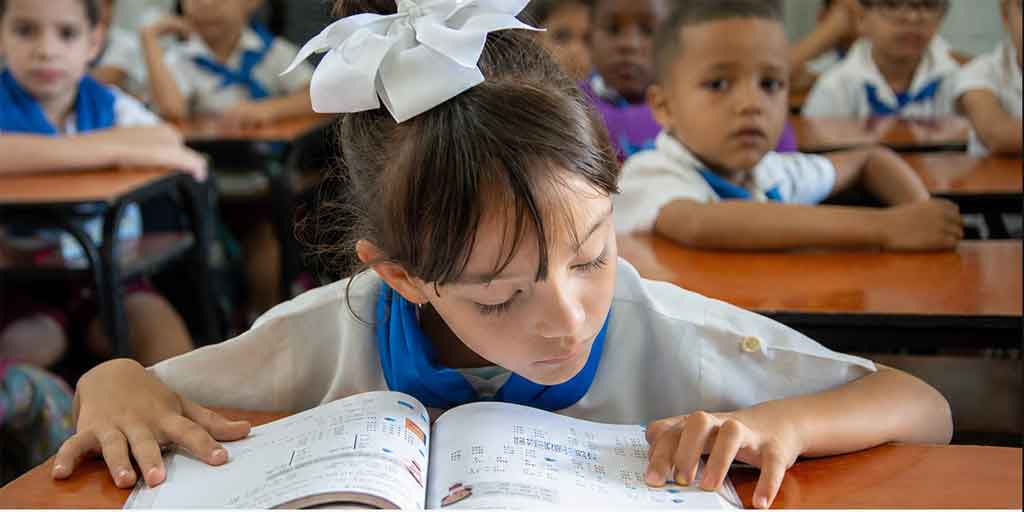
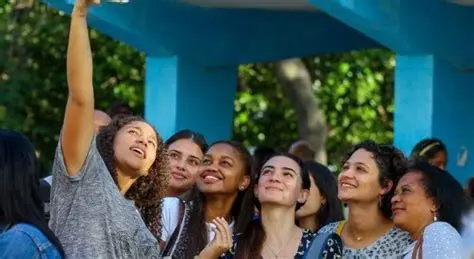
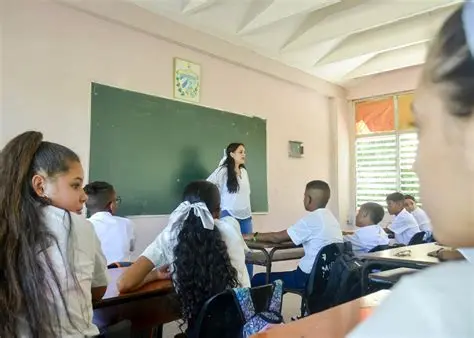
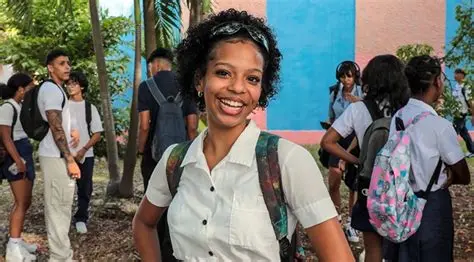
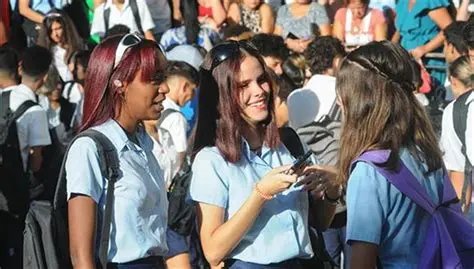
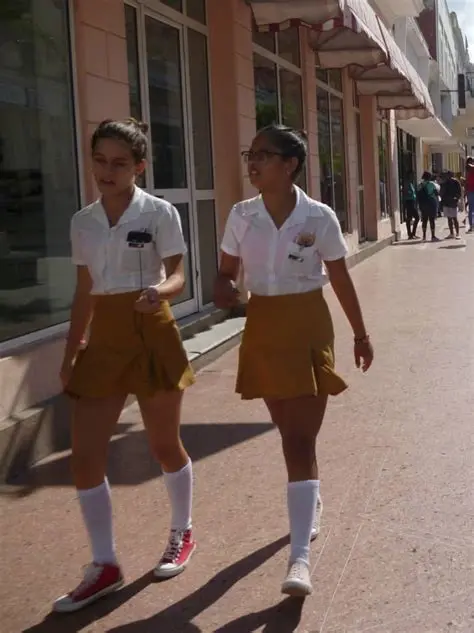
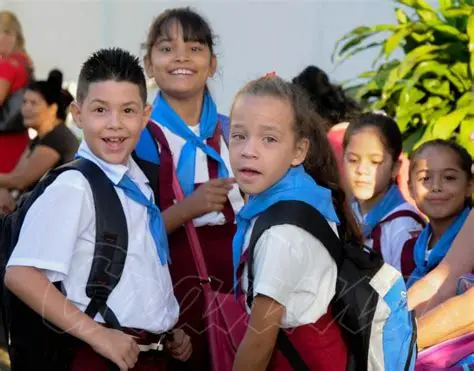
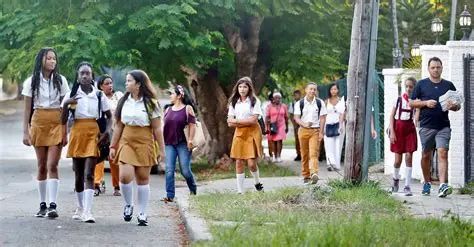
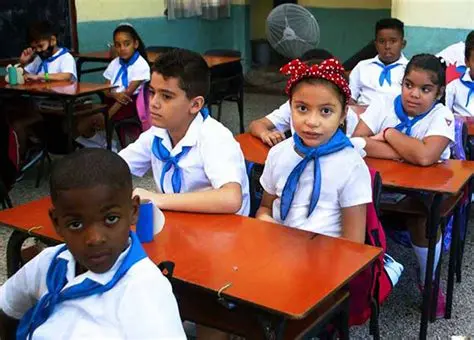
Cuba celebrated the start of the 2026-2027 school year across the island this tuesday, a return to learning to weave the dreams of the nation’s future.
RELATED:
Cuba Opens School Year for 1.4M Amid Tightened U.S. Blockade
The main opening ceremony took place in Havana’s Prado People’s Council, the birthplace of the National Apostle, and was presided over by President Miguel Díaz-Canel and Prime Minister Manuel Marrero.
The education system faces this period marked by energy challenges, fuel limitations, and transportation difficulties. Despite this context, which affects the daily lives of families, authorities guarantee that the right to education for every Cuban will not be relinquished. For students, the school year means a reunion with friends, routines, games, and waking up each day ready for new experiences.
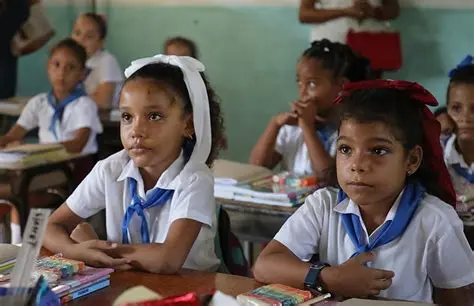
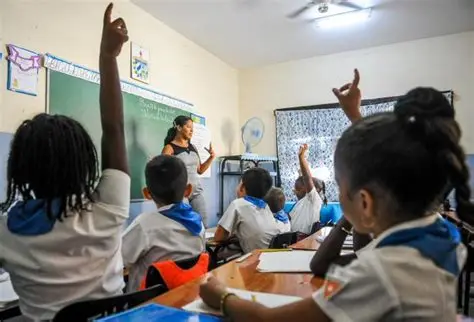
Minister of Education Naima Trujillo assured that efforts are underway to guarantee a dignified and sustainable school year, addressing the main educational needs of children and adolescents, in accordance with the resources of each institution. The minister emphasized the need to innovate, make flexible, and tailor solutions to each school, neighborhood, municipality, and province.
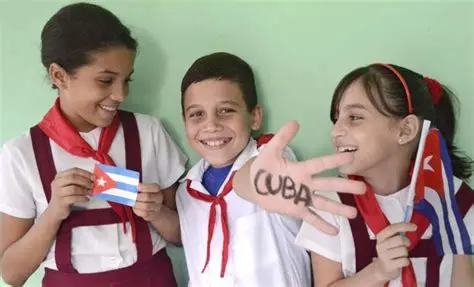
The main challenge is adjusting school organization to a reality that transcends the classroom and directly affects families. Difficulties in securing fuel and the lack of electricity necessitate seeking alternatives that allow for the continuation of teaching activities without ignoring the specific conditions of each territory, while maintaining the island’s pedagogical legacy.
In Higher Education, universities and institutions will resume their academic activities with specific measures. Enrollment processes for new students, readmission, and renewal will be organized from the students’ places of residence, either in person or online, depending on the capabilities of each university, Municipal University Centers (CUM), and Municipal University Branches (FUM).
University education will combine blended and distance learning modalities, with periods of in-person instruction when conditions permit, primarily for daytime students. The activities will take place at central campuses, CUM (University Centers), FUM (University Centers), and local production or service entities. For the blended learning course, in-person sessions are expected to resume at least once a month.
The measures adopted by both educational systems share a common goal: to preserve the continuity of education through greater flexibility and the efficient use of available resources, without applying uniform solutions where conditions differ.
Ver esta publicación en Instagram
Una publicación compartida por teleSUR English (@telesurenglish)
From teleSUR English via This RSS Feed.