

The Ebola outbreak in the Democratic Republic of Congo has surpassed 6,000 infections and approached 3,000 deaths, while student groups demand urgent hygiene measures before schools reopen September 1.
The Ebola outbreak affecting six provinces of the Democratic Republic of Congo has exceeded 6,000 infections and is close to 3,000 deaths. The Ministry of Communication and Media confirmed that the fatality rate has reached 48%, making this the second deadliest epidemic recorded in the nation’s history.
Health interventions remain deployed across 60 health zones, with particular concentration in the eastern provinces of Ituri, North Kivu and Haut-Uélé. Despite the assistance efforts and the increase in hospital discharges, authorities expressed concern over the persistent rise in community deaths occurring in rural areas.
RELATED: Pope Leo XIV Calls for International Response to Halt Ebola Outbreak in DR Congo
The emergency is caused by the Bundibugyo strain, a variant of the virus for which no specific pharmacological treatment has been developed to date. To slow transmission, government brigades launched a mass immunization campaign using the Ervebo vaccine, while the World Health Organization advances clinical trials for new biologics.
Outbreak in the DRC ‘the fastest-spreading Ebola epidemic ever recorded,’ as country struggles to contain infections https://t.co/J9h9LvU0pp pic.twitter.com/8lZBA4540e
— Al Jazeera English (@AJEnglish) August 31, 2026
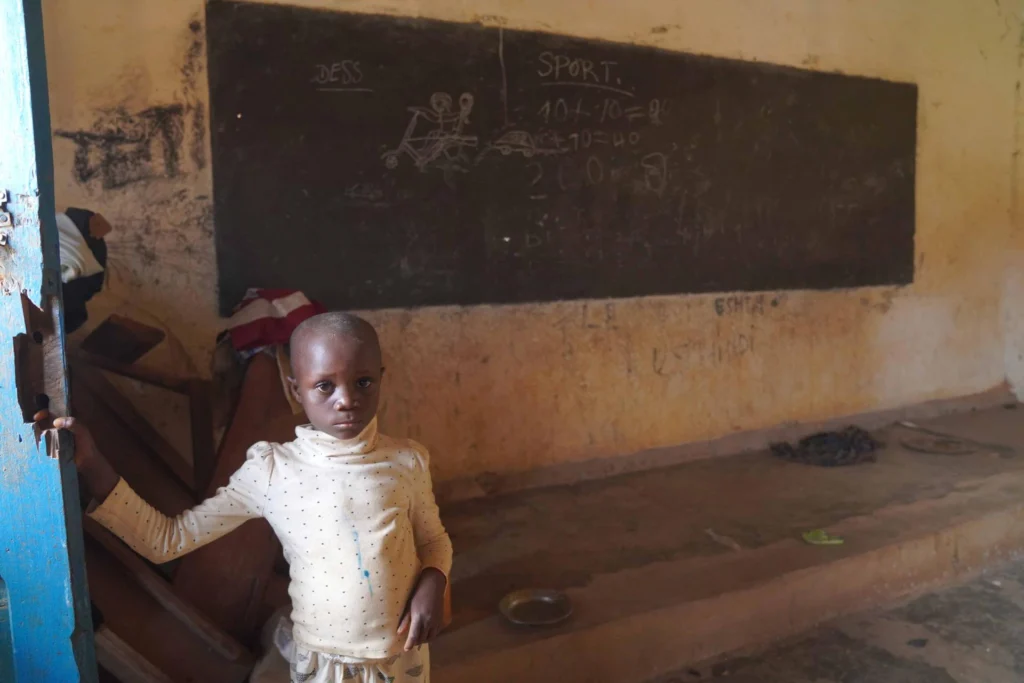
With the school year scheduled to begin September 1, student organizations in the city of Butembo demanded the application of urgent preventive measures. The sector warned of serious infrastructure deficiencies in more than 100 educational facilities that lack potable water and adequate sanitary installations.
Student spokespeople in Butembo emphasized that overcrowding in classrooms represents a high epidemiological risk for the child population. The youth groups requested the immediate intervention of international humanitarian aid organizations to equip schools with disinfection kits and hand-washing points.
The combination of crowded classrooms and absent basic services creates conditions that could accelerate transmission among children returning to classes. Public health specialists have repeatedly pointed to schools as potential amplifiers of infectious disease outbreaks in urban centers of the region.
So far, school directors and national education authorities have not issued official statements on the demands formulated by the student unions.
Les écoles se préparent à la rentrée dans un contexte marqué par Ebola à Beni. Dans certains établissements, des lave-mains sont déjà installés à l’entrée. Mais le matériel de prévention reste insuffisant dans certaines écoles.
(Photo d’illustration)https://t.co/D0gsW7wsrG pic.twitter.com/58AQaslSaJ
— Radio Okapi (@radiookapi) August 25, 2026
Meanwhile, neighboring Uganda has declared its health emergency over after controlling the spread of the virus along the common borders. The announcement offers a regional contrast and raises questions about what measures allowed the neighboring country to contain the outbreak more quickly.
The DRC’s response continues to depend on the combination of vaccination campaigns, community surveillance and hospital care in the affected zones. The coming weeks will show whether the school demands translate into concrete measures before millions of children return to their classrooms.
From teleSUR English via This RSS Feed.