

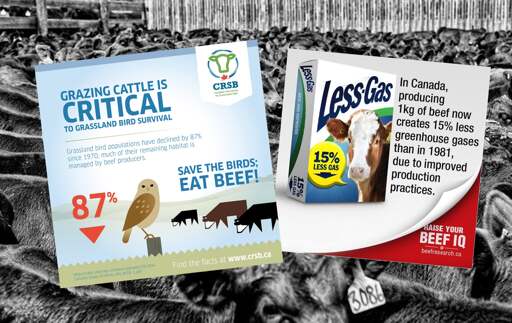
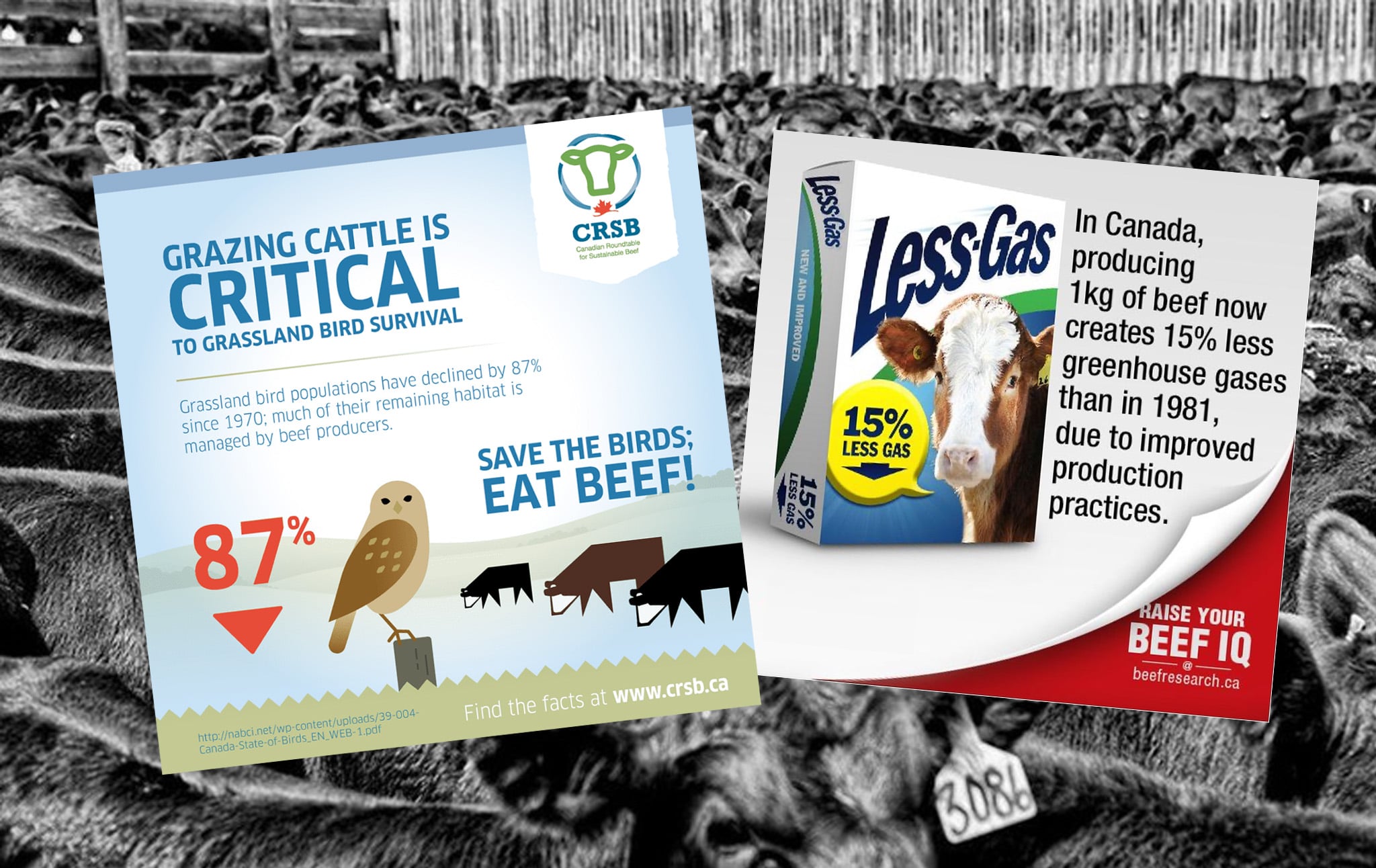
There is a word the beef industry uses constantly, in its promotional materials, in its research funding announcements, in its government lobbying, and increasingly in the peer-reviewed literature produced by the scientists it mentors: “sustainability.” It appears in the name of the Canadian Roundtable for Sustainable Beef. It appears in the title of reports assessing the sustainability of Canadian beef production. It appears in editorials co-authored by government researchers arguing that the beef cattle industry has a “crucial role” in “ecosystem sustainability.” But the industry means something specific by “sustainability.” It means the sustained profitability of the beef industry. The project of the last decade of industry-funded climate research has not been to make beef production environmentally sound. It has been to redefine sustainability itself, so that the continued growth of the industry counts, automatically, as a sustainable outcome. It has made one question nearly impossible to ask: Should we raise fewer cattle? Here is one part of how they are doing that.

From blog via This RSS Feed.
To be clear: this is not a program where climate scientists advise the industry. It is the reverse. Feedlot operators and trade association directors are the mentors. Government climate researchers are the mentees.
[…]
This is not corruption in the ordinary sense. No one is taking a bribe or falsifying a number. The researchers named here may be doing careful, honest work—that is actually the point. What’s at work is something subtler and more durable: a system that rewards researchers who frame their work in the industry’s terms, and quietly strands the ones who don’t.
For some good summary quotes about the scientific research portion
