

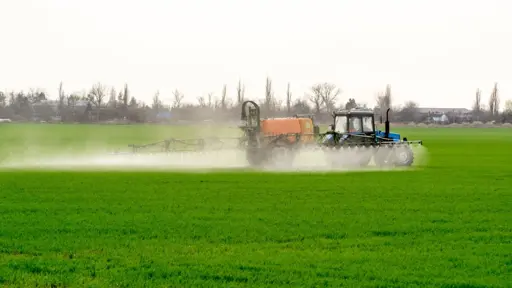
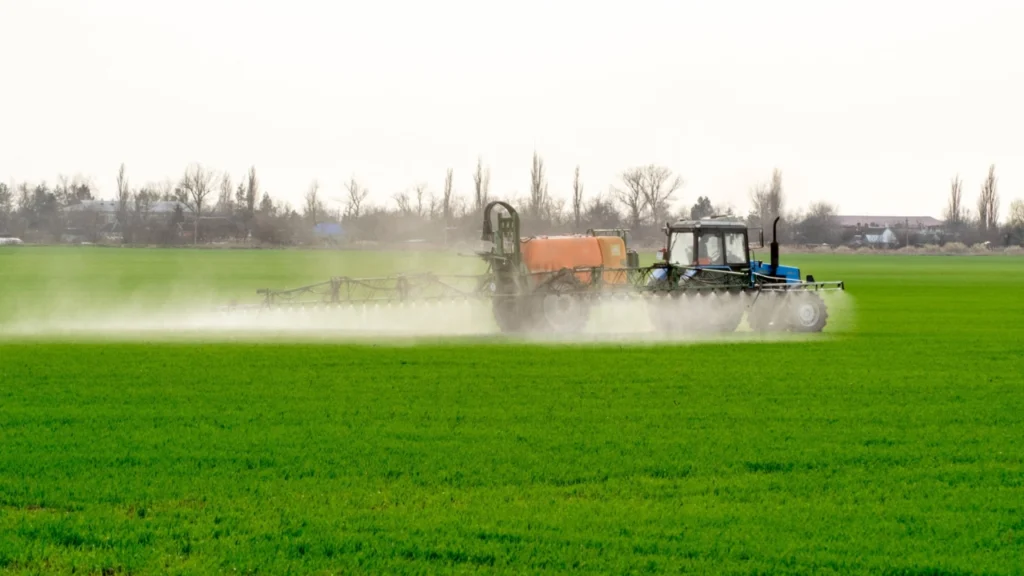
Colombia has revoked a 2015 ban on aerial glyphosate spraying, reopening the possibility of using the herbicide against coca crops.
Colombia’s government has revoked a 2015 resolution banning aerial spraying with glyphosate, clearing the way for the possible return of a controversial method used to eradicate coca crops.
RELATED: Colombia Honors 331 Victims of August 10 Earthquake
A resolution issued on Aug. 18 and made public Friday repealed the prohibition on aerial applications of glyphosate, a herbicide previously used against coca cultivation in Colombia, the world’s largest producer of coca leaf.
The measure does not authorize an immediate return to aerial spraying. Instead, the government says lifting the ban “does not imply the automatic resumption” of the practice, while allowing for its possible return provided adverse effects are minimized.
President Abelardo de la Espriella, who took office on Aug. 7, has pledged a hard-line approach to drug-trafficking organizations with U.S. support.
Durante 11 años, los cultivos de coca se han erradicado de forma manual y mediante programas de sustitución.
Sin embargo, el Consejo Nacional de Estupefacientes eliminó la resolución que desde 2015 suspendía la fumigación aérea con glifosato. ¿Qué está en juego?
Le…
— CAMBIO (@estoescambio) August 29, 2026
cText Reads: For 11 years, coca crops have been eradicated manually and through substitution programs. However, the National Narcotics Council repealed the resolution that, since 2015, had suspended aerial fumigation with glyphosate. What’s at stake?
Colombia halted aerial glyphosate spraying in 2015 under then-President Juan Manuel Santos, amid peace negotiations with the Revolutionary Armed Forces of Colombia, or FARC. Santos acted after the World Health Organization classified glyphosate as “possibly” carcinogenic.
The courts later made any resumption of aerial spraying conditional on an official plan that takes affected communities into account and prevents harm to human health and the environment.
The new government’s resolution says any return to the practice must comply with recommendations established by the Constitutional Court.
The policy has long faced opposition from farmers who depend on coca cultivation for their livelihoods and from environmental groups concerned about the herbicide’s effects on traditional crops and water sources.
De la Espriella’s government has also joined the Americas Shield, an anti-drug coalition of around 20 countries in Latin America and the Caribbean led by U.S. President Donald Trump.
The repeal removes the formal prohibition on aerial glyphosate spraying but leaves any resumption subject to conditions intended to limit its effects on health, communities and the environment.
From teleSUR English via This RSS Feed.