

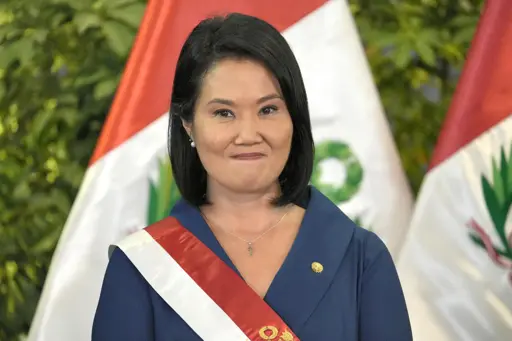
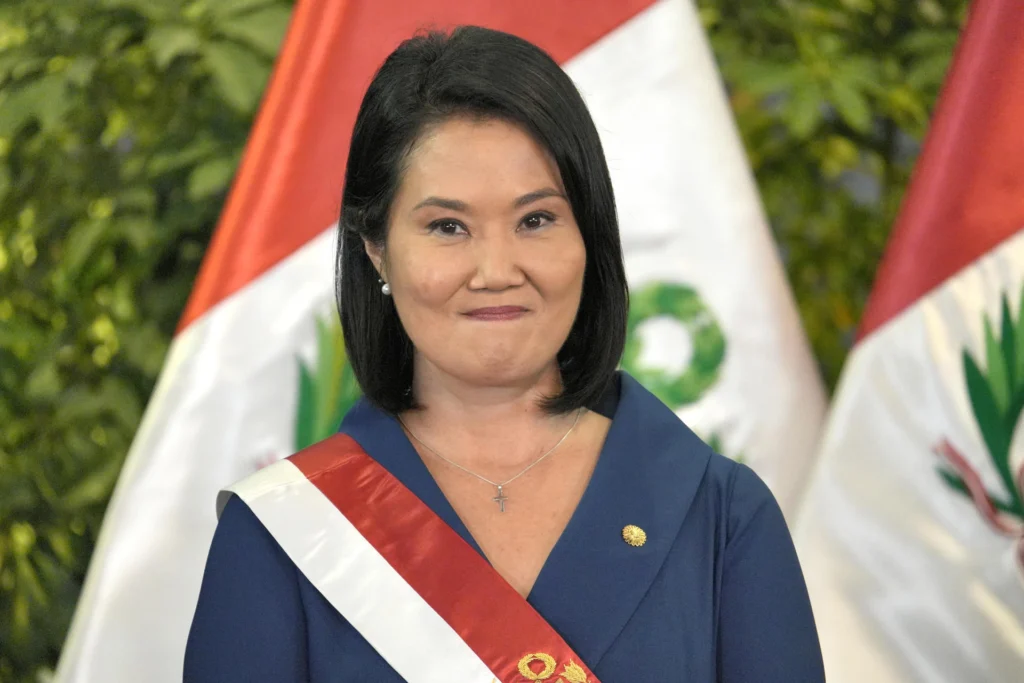
Peru’s government renewed the state of emergency in Lima and Callao for 60 days on Friday, suspending fundamental constitutional rights to deploy military patrols against organized crime, one month after Keiko Fujimori assumed the presidency.
Supreme Decree No. 123-2026-PCM officializes the measure, which extends the regime applied since 2025, which expired on Wednesday, August 26. The new text ratifies the continuity of the security control implemented in earlier administrations and establishes that the National Police maintains control of internal order with the operational support of the Armed Forces.
Under the emergency regime, constitutional rights as the inviolability of the home, freedom of transit, freedom of assembly and personal security remain suspended in both jurisdictions, meanwhile police may conduct interventions and detentions without prior judicial order.
RELATED: Keiko Fujimori Postpones Pension Increase, Contradicting Congress Promise
The norm responds to police intelligence reports that warn of an alleged serious disturbance of social order caused by mafias dedicated to contract killings and extortion.
#AHORA | El ministro del Interior, César Astudillo, manifestó que se declarará un nuevo estado de emergencia en Lima y Callao y que será por 60 días. Sobre la interpelación que se promueve en la Cámara de Diputados, señaló que está en su derecho constitucional y permitirá… pic.twitter.com/KakCxAHkd7
— Exitosa Noticias (@exitosape) August 27, 2026


Text reads: “The Minister of interior, César Astudillo, said that a new state of emergency will be declared in Lima and Callao and that it will be for 60 days. On the questioning that is promoted in the Chamber of Deputies, he said that it is in his constitutional right and will allow to explain the work done and results obtained.”
Police lead, Military Backs
The operational territorial control plan includes permanent deterrent patrols on foot and motorized at public transport stations, markets and shopping centers. It also creates the Unified Operational Coordination Command, headed by the general commander of the National Police, Óscar Arriola, with senior commanders of the Joint Staff of the Armed Forces, the Technical Secretariat of the Citizen Security Council and the National Intelligence Directorate (DINI).
Mass public events will now require a mandatory permit evaluation before the competent authorities, but smaller meetings may proceed without that requirement, subject to prior supervision.
Interior Minister César Astudillo backed the measure, alleging the state of exception will allow uninterrupted continuity of joint police and military interventions. He also confirmed that the national government will present a formal request to Congress for legislative powers to expand the participation of the Armed Forces in prison surveillance and the protection of the country’s border areas.
The decision arrives barely a month after Fujimori took over the leadership of the state, and in the middle of skepticism from sectors that question the effectiveness of the strategy. Those voices recall that previous emergency declarations did not stop the violence or the homicides that continue to mark the country.
The 60 day period will run until late October. Whether the government presents its request for legislative powers before that date, and how Congress responds, will define the next chapter of the security debate in Peru.
From teleSUR English via This RSS Feed.