

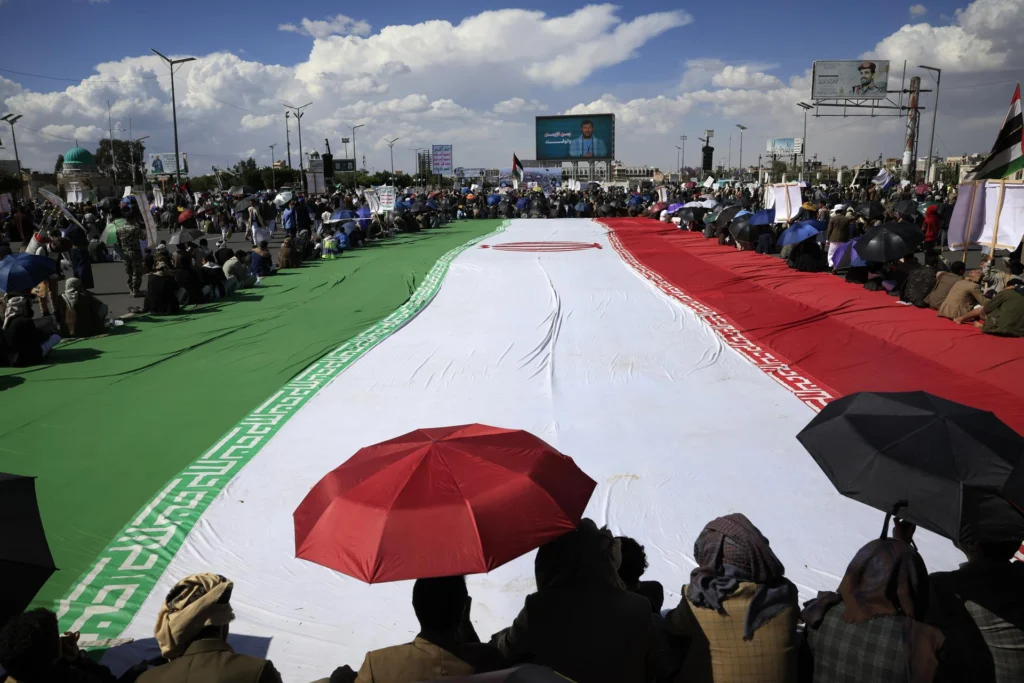
Six months after the February 28 U.S.-Israeli airstrike that killed Supreme Leader Ayatollah Ali Khamenei and senior political and military figures, the conflict has defied the quick victory Donald Trump predicted at its outset.
Tehran’s response came in the form of missile and drone launches against Israeli territory and U.S. military assets across the region, which Iran family sees as an exercise of legitimate self-defense.
RELATED: Iran Not to Let War End To Be Based on Aggressive Conditions
Initial U.S. planning had counted on a short, decisive offensive—hoping, in the best-case scenario, to provoke the collapse of the Islamic Republic, or at a minimum to dismantle its nuclear and military capacities, before withdrawing and claiming success.
As fighting enters its seventh month, however, those goals appear increasingly out of reach. Iranian missile forces retain their strike capability, and Tehran has demonstrated growing precision in their use, while no conclusive evidence has surfaced that the infrastructure of Iran’s peaceful nuclear program has been destroyed.
14 years ago: “Most crippling sanctions in history.” Failed.
8 years ago: “Maximum pressure.” Failed.
5 months ago: “Unconditional surrender.” Failed.
Today: “Most crushing economic operation ever.” Bound to fail.
We have seen this movie before. Same bull. Different bullies. pic.twitter.com/CNMSopprV5
— Seyed Abbas Araghchi (@araghchi) August 21, 2026
The standoff over the Strait of Hormuz has turned into a major bottleneck for U.S. strategy and, from Tehran’s perspective, a symbol of Washington’s campaign unravelling. The closure of the waterway to naval traffic severely disrupted energy markets, sending crude prices to $120 per barrel from roughly $70 before the war and fueling fears of a global economic downturn.
U.S. Secretary of State Marco Rubio has communicated to several foreign counterparts that Washington currently rules out fresh strikes, according to his diplomatic exchanges. The White House will instead double down on economic pressure and apply other coercive measures, Rubio indicated.
From teleSUR English via This RSS Feed.