

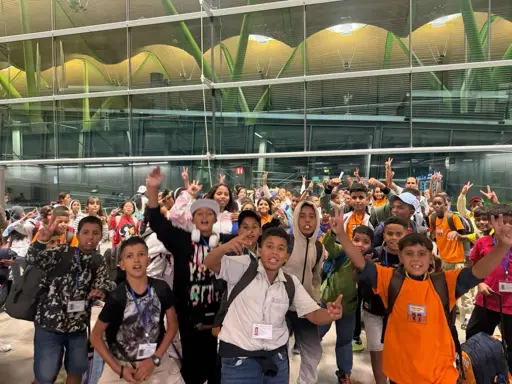
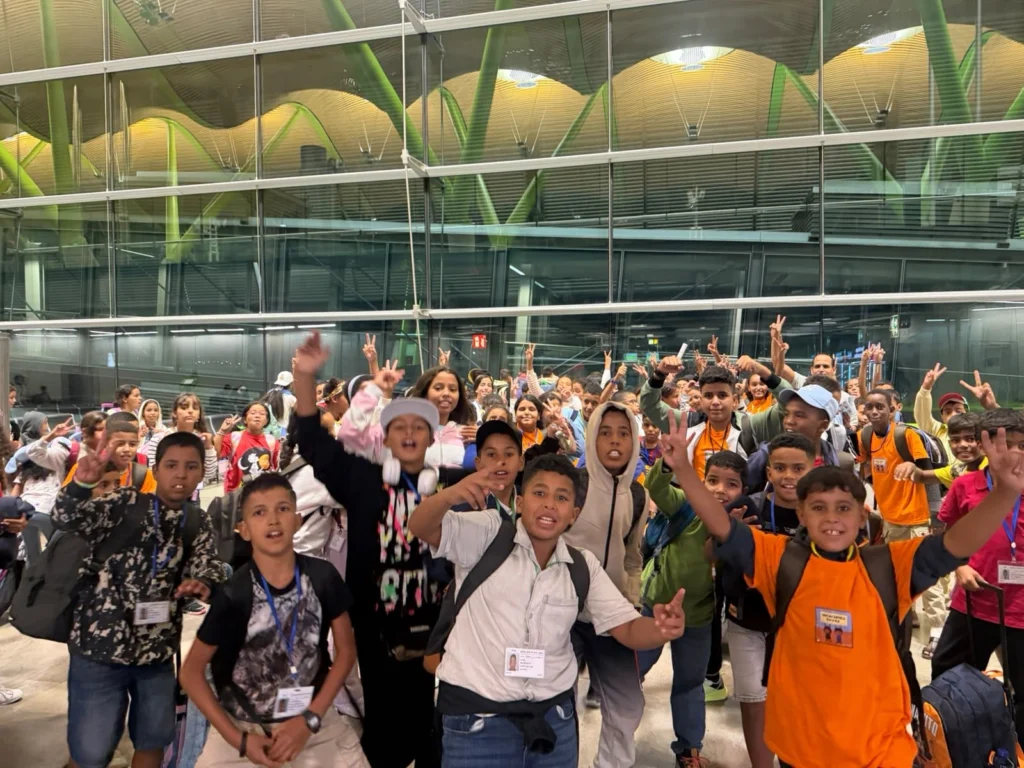
The “Vacaciones en Paz” (Holiday in peace) summer hosting program for Sahrawi minors from refugee camps concluded Thursday in Gran Canaria, drawing official receptions across multiple municipalities and public expressions of solidarity.
The events featured the presence of Polisario Front representative in the Canaries, Ali Salem Sidi Zein; Deputy Representative Mohamed Said; and Canarian Association of Solidarity with the Sahrawi People president Octavio Melián, alongside local association coordinators and the Canarian host families.
Receptions were supervised by municipal authorities: Mayor Juan Antonio Peña in Telde, Mayor José Agustín Arencibia in Teror, Mayor Francisco García in Santa Lucía, and Councilor for Solidarity and Social Affairs Adriano García—presiding in Santa Brígida on behalf of its mayor.
RELATED: Spanish Government Transfers 1,700 Migrants to Temporary Camps in Ceuta
The initiative is designed to allow Sahrawi children to spend the summer away from the Tindouf refugee camps, benefiting from family care and recreational and cultural activities, while strengthening solidarity and friendship ties between the Sahrawi and Canarian peoples.
The first displacements of Sahrawi children to Spain were organized in the summer of 1979, with the official “Vacaciones en Paz” format consolidating in the early 1980s and 1990s specifically to host minors from the Algerian camps during July and August as a reprieve from extreme desert heat.
Tras intensos meses de trabajo, actividades y experiencias maravillosas, ayer despedimos a los 154 embajadores del pueblo saharaui, cerrando el programa Vacaciones en Paz 26.
Gracias a las familias solidarias, asociaciones y entidades municipales por hacerlo posible.
A por VEP27 pic.twitter.com/SxqKohWqLo— Delegacion Saharaui para Madrid (@Polisario_Mad) August 27, 2026
The broader mass displacement of the Sahrawi population dates to November 1975, set off by Moroccan King Hassan II’s Green March and Spain’s subsequent abandonment of Western Sahara. Estimates place the immediate exodus between 40,000 and over 100,000 Sahrawis—nearly half the registered population at the time—driven by military advances and heavy-weapon bombings that left thousands killed and disappeared.
From teleSUR English via This RSS Feed.