

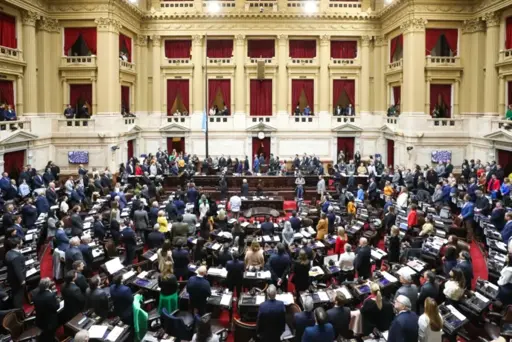
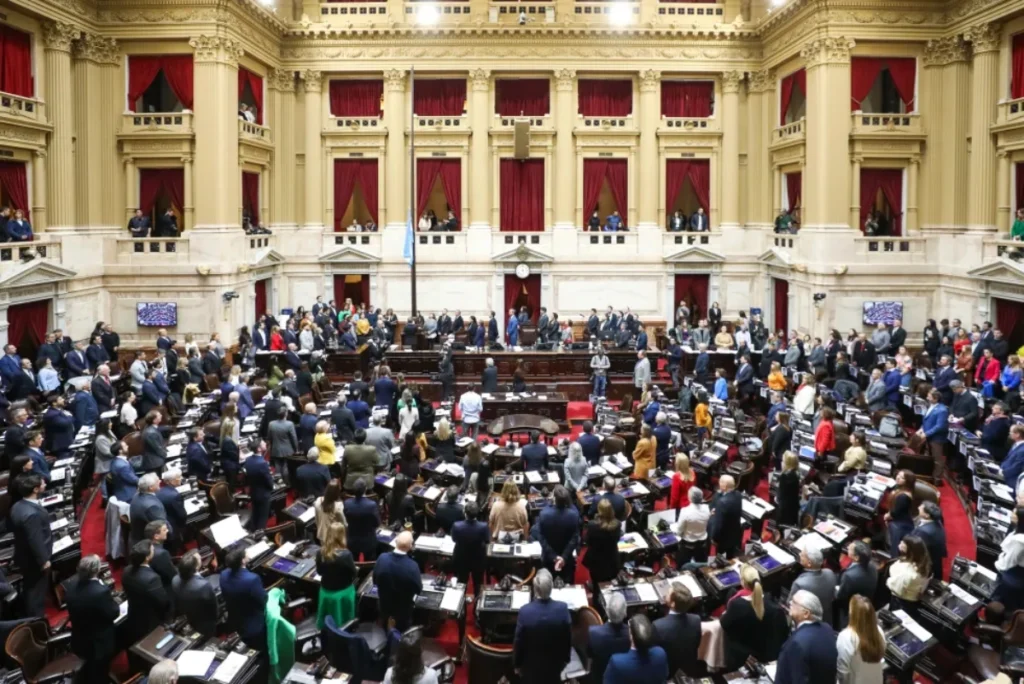
Argentina’s Chamber of Deputies gave preliminary approval Wednesday to a controversial reform of the Central Bank’s Organic Charter, pushed by President Javier Milei’s coalition and allied blocs.
The bill, which Milei has linked to his reelection campaign and to demands from the International Monetary Fund, prohibits Treasury financing by the Central Bank. It also allows the Executive to tighten mechanisms for removing board members, requiring specific grounds that must be approved by two-thirds of those present in both chambers of Congress after being decreed by the Executive.
RELATED: Argentina’s Milei Confirms 2027 Re‑election Bid
Among the main changes, the reform defines the BCRA’s central mission as “preserving the value of the national currency.” It eliminates the multiple objectives established in the 2012 reform under Mercedes Marcó del Pont during Cristina Kirchner’s presidency, which included promoting monetary and financial stability, employment, economic development and social equity, and allowed the monetary authority to regulate credit and interest rates to foster productive activity.
The initiative was defended in committees by BCRA president Santiago Bausili and received a committee report on Aug. 12 at the end of a second meeting attended by economists aligned with the ruling coalition.
El Gobierno tendría que pedirle perdón a todos los argentinos que no pueden pagar sus deudas y que tienen el salario pulverizado. En vez de eso redoblan la apuesta y presentan una reforma del BCRA para intentar blindar un modelo que está fracasando.
No pueden tapar el sol con… pic.twitter.com/sAC7ByzJtf
— Itai Hagman (@ItaiHagman) August 26, 2026
The text reads: The Government would have to apologize to all Argentinians who cannot pay their debts and whose salaries have been pulverized. Instead, they double down on the bet and present a BCRA reform to try to shield a model that is failing.
During debate, opposition lawmakers questioned both the content of the bill and the autonomy it proposes for the Central Bank. Union for the Homeland deputy Itai Hagman argued that the reform seeks to “shield a policy whose results were not what the government expected” and warned about consequences for access to credit. He said around six million people are dealing with debt and delinquency, while others face difficulties meeting obligations, and called on Congress to focus on preventing business closures.
Meanwhile, Federal Encounter Bloc president Miguel Ángel Pichetto rejected what he described as the bill’s rigidity, saying the Central Bank should be subordinated to the general interest and the economic direction set by the Executive. He also questioned the institution’s independence and pointed to the previous professional relationship between Bausili and Economy Minister Luis Caputo.
From teleSUR English via This RSS Feed.