

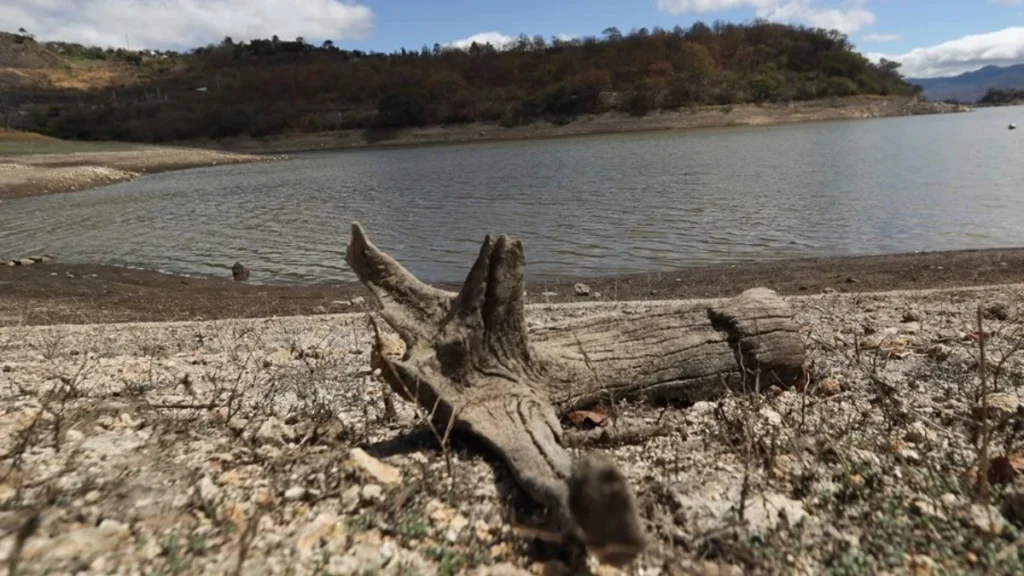
The Government of Honduras reported this Wednesday that 28 new municipalities are under red alert as a result of the drought associated with the El Niño phenomenon. The measure follows a decree issued Tuesday that established an indefinite red alert for 75 localities. The new additions bring the total number of municipalities under emergency to 103.
Affected areas span the departments of Comayagua, La Paz, Francisco Morazán, El Paraíso, Valle, Choluteca, Intibucá and Lempira, located in the center, east, south and west of the country.
An estimated 10.5 million people in the Central American Dry Corridor have been impacted, with many engaged in subsistence farming of corn and beans and dependent on seasonal rains for both production and food supply.
RELATED: El Niño Raises Heat, Drought and Cyclone Risks in Cuba
Water levels in the main reservoirs supplying the capital Tegucigalpa have become worrying, prompting authorities to tighten water rationing.
According to the Secretariat of Risk Management and National Contingencies (Copeco), another 82 municipalities are under yellow alert and 48 remain under preventive green alert. The agency said the delayed rainy season caused accumulated precipitation deficits of between 100 and 200 millimeters, affecting water availability for human and animal consumption.
COPECO actualiza niveles de alerta por sequía asociada al fenómeno de El Niño
— Secretaría de Gestión de Riesgos y Contingencias (@copecogob) August 26, 2026
The National Center for Atmospheric, Oceanographic and Seismic Studies (Cenaos) stressed that hotter and drier than normal conditions persist, associated with a strong El Niño event. A temperature increase of 0.5 to 1 degree was expected between March and August, with the greatest impact in the southern part of the country.
United Nations resident coordinator in Honduras, Alejandro Álvarez, announced new aid of 20 million dollars to mitigate the effects of the climate emergency.
From teleSUR English via This RSS Feed.