

A conservation group that ripped the Trump administration’s recent move to repeal a rule protecting 45 million acres of national forest lands warned Wednesday that the proposed rollback would put 400 species on an “extinction fast track.”
The Center for Biological Diversity released a study, titled “Deadly Incursions,” that lays out how rescinding the landmark Roadless Area Conservation Rule would “open pristine public lands to road construction, commercial logging, and industrial development,” damaging “natural areas, clean water, and wildlife protected under the Endangered Species Act.”
“From the old-growth rainforests of Alaska’s Tongass to the sky island ranges of the Southwest and the headwaters of the Appalachians, the most imperiled wildlife in America’s national forests all need large, connected landscapes where nature’s systems still function,” the report reads. “The roadless rule has protected those landscapes since 2001.”
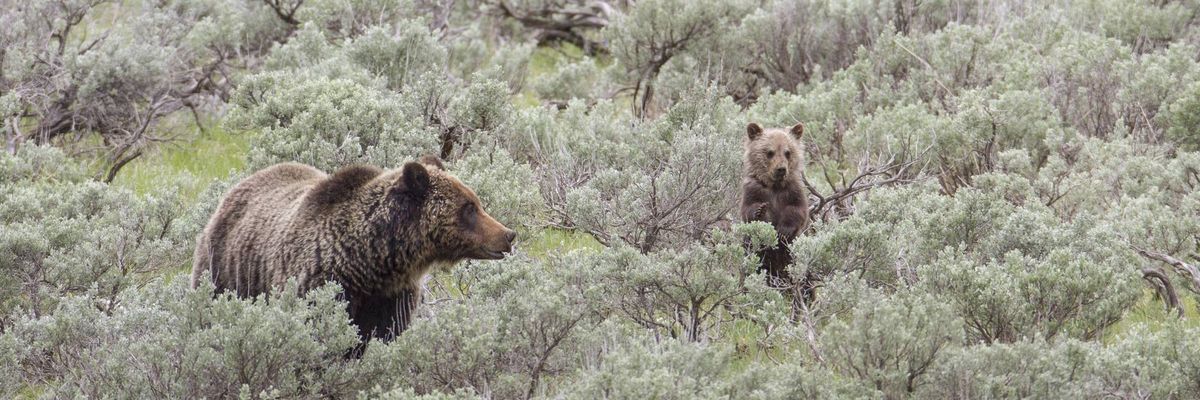
The center found that if the rule ends, “7.4 million acres of designated critical habitat and nearly 1,800 miles of protected rivers and streams would be put at risk. This would pose a catastrophic threat to 88 federally protected animals and plants across the country with designated critical habitat in or affected by roadless areas, including grizzly bears, Canada lynxes, and native fish. Over 300 more species protected under the Endangered Species Act are found in roadless areas, but do not have designated protections for the places they live.”
The document explains that road construction and logging don’t just impact creatures on land. They also “cause significant soil erosion, sending sediment into waterways—raising water temperatures, smothering spawning beds, and degrading water quality downstream. This threatens imperiled aquatic life such as Chinook salmon, bull trout, candy darters, freshwater mussels, and frogs whose critical habitat may be outside roadless areas.”
In addition to devastating already imperiled wildlife, from “Mexican spotted owls and Gila trout in the Southwest,” to “rare butterflies and wildflowers nationwide,” killing the roadless rule would have various other negative impacts, the analysis details. “Many roadless areas contain mature and old-growth forests that absorb and store vast amounts of carbon,” and logging would release it, worsening the global climate emergency.
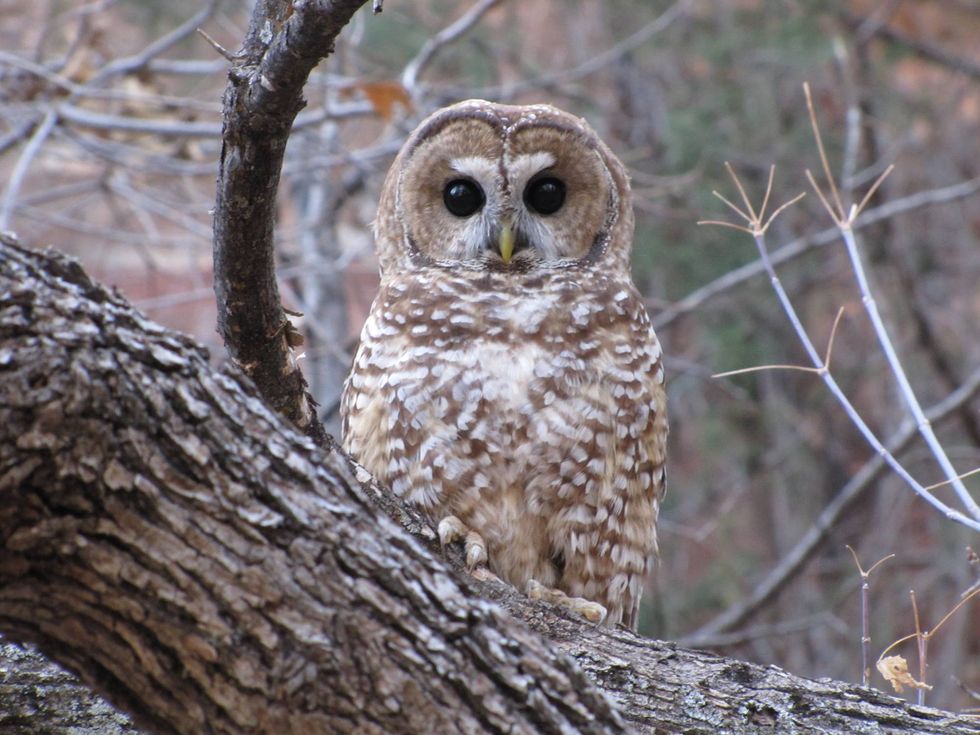 A Mexican spotted owl perches in a tree. (Phoo by Shaula Hedwall/US Fish and Wildlife Service)
The report also highlights that “national forests are the largest source of municipal drinking water in the United States, serving more than 60 million people in 33 states,” and logging and road construction would increase pollution risks. Wildfire risk would also rise, the study stresses, citing research that found fires were four times as likely in areas with roads than in roadless forest.
The publication further points out that “the Forest Service manages approximately 370,000 miles of roads—roughly eight times the length of the nation’s Interstate Highway System—and faces a multibillion-dollar maintenance backlog. Expanding the road network into previously undeveloped areas would increase long-term infrastructure and maintenance costs paid by taxpayers.”
Randi Spivak, the center’s public lands policy director, said Wednesday that “our national forests are home to some of America’s most iconic animals, from grizzlies to hellbenders. These forests provide clean drinking water to countless communities. Bulldozing more roads through them will mean dirtier water, fragmented wildlife habitat, and greater wildfire risk.”
“For a generation, the roadless rule has kept our wildest places wild,” Spivak said. If President Donald Trump “succeeds in scrapping it, he’ll do irreversible damage to our wildlife, water, and the wild places that define the American landscape.”
After Trump’s agriculture secretary, Brooke Rollins, announced early last week that the Forest Service had filed a proposal to fully rescind the roadless rule, the administration on Friday took aim at another policy meant to protect public lands: the Travel Management Rule.
“This is yet another egregious attack in the systematic dismantling of public lands management of our national forests,” declared Dan Hartinger, senior director for agency policy at the Wilderness Society. “Paired with the proposed repeal of the roadless rule, this destructive agenda sells out future generations’ enjoyment of our forests in order to hand them over for corporate profits.”
Thomas Delehanty, senior attorney with Earthjustice’s Rocky Mountain Office, also blasted the administration for targeting the roadless rule and “attempting to open up our national forests to more off-road vehicle use that will degrade the landscape and disturb wildlife and other land users.”
“Some places in our national forests are meant for quiet, undisturbed recreation and protecting sensitive wildlife, including endangered species,” said Delehanty. “This rule would open all roads and trails to ORVs by default, meaning areas set aside for hiking, hunting, or horseback riding could soon be fair game to four-wheelers and dirt bikes.”
From Common Dreams via This RSS Feed.