

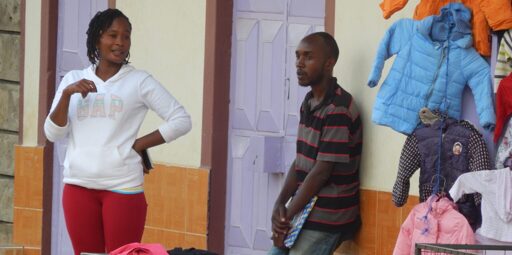
Kenya’s secondhand clothing trade, locally known as mitumba, clothes millions of people and supports an estimated 2 million livelihoods, making it one of Africa’s largest markets for used garments. That makes Kenya a useful lens for understanding the growing global public health problems associated with textile waste disguised as reusable clothing. More than 4.5 billion used garments are shipped to Africa each year, according to a recent letter published in Science. Many end up in dumpsites or are burned when local sorting systems are overwhelmed. The researchers argue that discarded textile waste can become reservoirs for harmful bacteria, including Escherichia (which includes E. coli) and Klebsiella. These bacteria are linked to illnesses ranging from diarrheal disease and urinary tract infections to pneumonia, bloodstream infections and, in severe cases, life-threatening sepsis. A growing body of research links health risks with textile waste. A recent review found that discarded textiles can harbor pathogenic microorganisms and antimicrobial-resistant genes. Another study showed that microplastics released from degrading synthetic textiles can transport pathogens and toxic chemicals through the environment. Recent reporting by Mongabay highlighted evidence that microplastic pollution may contribute to the spread of antibiotic resistance. For Kenya, the enormous scale of the secondhand clothing trade is at the root of the problem. A 2023 report estimates that Nairobi’s largest dumpsite receives roughly 86 metric tons of textile waste each day. Once discarded, synthetic textiles can fragment into microplastics that pollute both the air and waterways. To combat the problem, the authors of the Science…This article was originally published on Mongabay
From Conservation news via This RSS Feed.