

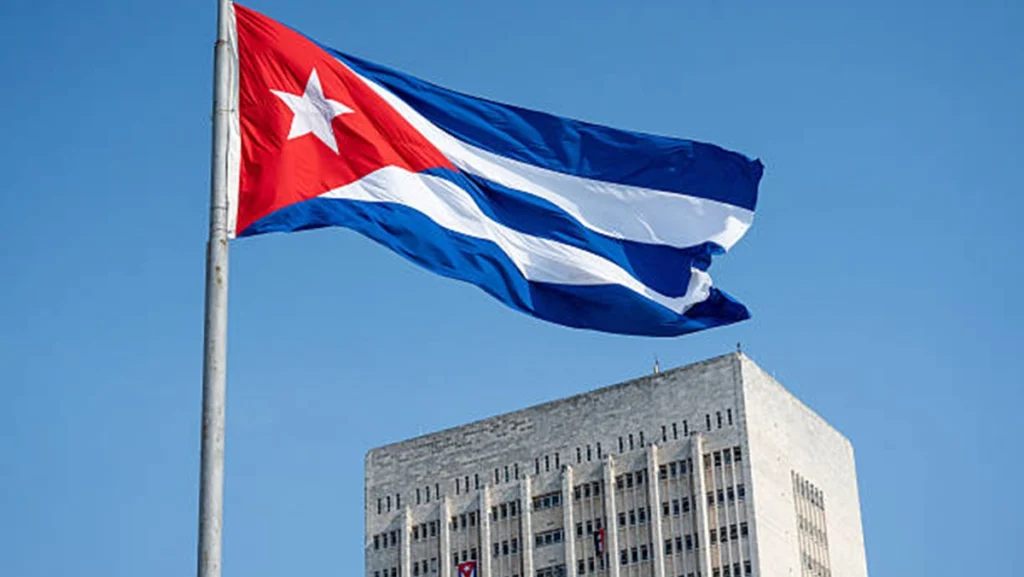
The decision was published in the Federal Register and is based on the Trading with the Enemy Act of 1917.
On Tuesday, Cuban Foreign Minister Bruno Rodriguez rejected U.S. President Donald Trump’s decision to extend the U.S. blockade and called the policy “genocidal,” denouncing it as an attempt to “suffocate an entire nation.”
RELATED:
U.S. Imposes 10th Round of Cuba Sanctions This Year
On August 20, Trump signed a new presidential decree extending the economic blockade against Cuba, in place for more than six decades, until September 14, 2027.
The decision was published in the Federal Register and is based on the Trading with the Enemy Act of 1917, which, in the present day, applies only to the Caribbean island.
Although annual renewals have been a constant practice since 1978 under both Democratic and Republican administrations, the measure comes amid a severe crisis in Cuba: blackouts, shortages of food, fuel, and medicine, and the deterioration of basic services.
END THE U.S. BLOCKADE ON CUBA!
Instead of funding people’s needs at home, Trump and Rubio are using our tax dollars to wage a silent genocide against the Cuban people. Why? For daring to build a society premised on their independence, sovereignty and well-being rather than a… pic.twitter.com/knRGg5MB53
— Party for Socialism and Liberation (@pslnational) August 17, 2026
The U.S. blockade was formalized in 1962 by then-President John F. Kennedy, after the Cuban nationalization of U.S. properties. The measure was tightened with the Helms-Burton Act of 1996, which strengthened the sanctions.
The most significant attempt at easing the blockade occurred in 2014, when former President Barack Obama restored diplomatic relations and allowed travel and trade.
However, since 2017, Trump has reversed those measures, adding Cuba back to the list of state sponsors of terrorism and expanding sanctions against strategic sectors.
The extension ensures that the legal basis for the blockade will remain in place until at least 2027, while big differences persist between Washington and Havana regarding the future of bilateral relations.
In this context, at the UN, Cuba’s deputy permanent representative, Daylenis moreno guerra, denounced the impact of the U.S. blockade on the healthcare sector, which prevents basic services from functioning… The law announced by the Trump administration that imposes economic,… pic.twitter.com/or804JNhdC
— teleSUR English (@telesurenglish) August 25, 2026
teleSUR: JP
Source: CubaNoticias360 – Cubadebate
From teleSUR English via This RSS Feed.