

The death in Utrecht is the second West Nile virus-related fatality known to Dutch health authorities this year.
On Wednesday, the National Institute for Public Health and the Environment (RIVM) confirmed that an octogenarian died in the province of Utrecht after contracting West Nile virus locally in the Netherlands. The victim, who had underlying health conditions, died in a hospital, which declined to provide further information about the person’s identity out of privacy concerns.
RELATED:
Cuba to Address Rise in Dengue and Chikungunya Cases
So far in 2026, health authorities have recorded three West Nile virus infections that were probably acquired within the Netherlands. One of those affected, also an older person considered vulnerable, is hospitalized.
One of the three cases was detected this month in a blood donor from Utrecht province who had not recently traveled abroad. It was the first infection acquired in the Netherlands since 2020, although the RIVM clarified that the donor is not the person who died.
Health authorities stress that the risk of contracting West Nile virus in the Netherlands remains “very low.” The death in Utrecht is the second West Nile virus-related fatality known to Dutch health authorities this year, although only one of the two infections occurred in the country.
The other case involved a woman from Drenthe province who died in early August after becoming infected during a vacation in southeastern Europe, where she began experiencing her first symptoms.
625 West Nile virus cases detected across 12 European countries this year, affecting 99 regions
Cases have recently been on the rise, particularly in Greece, which reports 157 infections, according to European Centre for Disease Prevention and Control pic.twitter.com/e3NXe5RtR1
— Anadolu English (@anadoluagency) August 25, 2026
The virus has also been detected in horses, birds, and mosquitoes in the provinces of Utrecht, North Brabant and South Holland, although the RIVM warns that it could also be circulating in other parts of the country and has urged doctors to remain alert for possible cases.
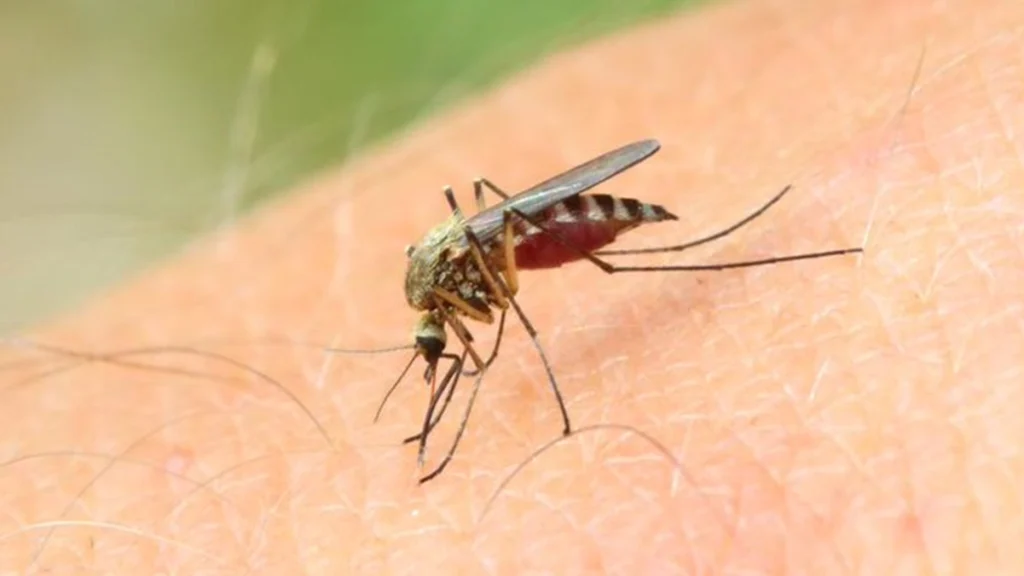
West Nile virus circulates primarily among birds and is transmitted through mosquitoes, which can become infected by feeding on the blood of a bird carrying the virus and then transmit it to humans, horses, and other animals.
About 80% of infected people do not develop symptoms, while 19% develop flu-like symptoms and about 1% may experience neurological complications.
Health authorities recommend trying to reduce mosquito bites, especially at dusk, when these insects are most active, and advise wearing clothing that covers the skin, installing screens on doors and windows, and applying repellent to exposed areas.
teleSUR/ JF
Source: EFE
From teleSUR English via This RSS Feed.