

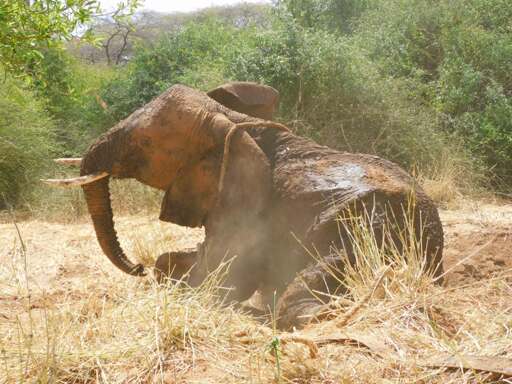
At least four suspects have been arrested in connection with the deaths of 18 elephants in the Amboseli ecosystem in southern Kenya, near the border with Tanzania. Preliminary investigations by a multiagency team suggest poisoning from agricultural pesticides, authorities say. In July, 16 elephants were found dead at Kimana Sanctuary and Kuku Group Ranch in the Amboseli ecosystem. The death toll rose to 18 in August, after two more elephant carcasses were found in Kitenden B reserve, near the Amboseli National Park. On Aug. 21, Kenya Wildlife Service’s (KWS) communication director Duncan Wanyama told Mongabay by phone that another elephant was in critical condition in Amboseli and under close watch by animal experts. The KWS has previously said that most of the elephants found dead were female and their calves. Investigations have led to the recovery of substances, including chemicals that are potentially toxic, and “unlabelled materials”, which have been secured for further scientific analysis, Kenya’s Cabinet Secretary for Tourism and Wildlife Rebecca Miano said in a statement seen by Mongabay. “Although the investigations remain active, the arrest of persons of interest and the recovery of exhibits do not in themselves establish criminal culpability,” she said. Miano added that a suspect believed to have crucial information about the killings of the elephants was still at large. Initial investigations indicated that the elephants died after ingesting a toxic substance, with laboratory tests pointing to cyanide. The elephants were thought to have come into contact with the chemical in pesticides sprayed on tomatoes…This article was originally published on Mongabay
From Conservation news via This RSS Feed.