


By MARIANELA MENDEZ GARCIA (MST, Puerto Rico)
Parts of the metropolitan area of Puerto Rico have experienced interruptions in drinking water service to their homes and businesses since the month of June. The threat of rationing has loomed over residents of the towns of Loíza and Canóvanas, while previous breakdowns in various areas were pushed to the back burner. Before the Superaqueduct broke, residents of Miraflores and Santurce had been without water for months, relying on water tankers and draining their personal finances.
The country’s aging and neglected drinking water infrastructure loses nearly 60% of its output before it reaches homes—a figure that reveals the crisis is not accidental but structural. Government responses were limited and inadequate, led primarily by municipalities, while at the state level, a media-driven narrative prevailed that blamed individuals in key positions and used the people as hostages in the PNP’s internal power struggle.
In the small and medium-sized business sector, estimated daily losses of 18 million to 20 million were reported, according to the United Retailers Center. However, no estimate has been made of the loss of income for workers in restaurants and other industries whose employers, unable to operate normally, closed their businesses during those days. Nor has the household spending on water tanks, filters, generators, and water storage been accounted for, nor the impact on the health of a population where more than 20% are elderly. The economic and emotional cost of the drinking water crisis—the burden it places on our families—is not factored into the Puerto Rican government’s calculations.
The residents of this archipelago continue to equip themselves with water tanks, solar panels, and general supplies to fill the void left by an absent government and a neglected infrastructure. Every interruption in water and electricity puts the physical health of our growing elderly population—and of the majority who struggle to make ends meet on a daily basis—at risk. Essential services, quality of life, and the right to a dignified life are the very raison d’être of any state apparatus; and our government has failed to fulfill this basic promise.
Puerto Rico is a country with abundant water resources and valuable aquifers, capable of sustaining both the population and the pharmaceutical industry that generates its profits here. However, federal funds earmarked for the maintenance of the Superaqueduct and the overall system have been diverted to sustain the political establishment and its lackeys. The metaphor is clear: while the country is drying up, the political class drinks from a source that only they control.
More privatization won’t fix the Aqueducts and Sewage Department (Autoridad de Acueductos y Alcantarillados, AAA). We have already seen the results with LUMA [the privatized electric utility, owned by U.S. and Canadian corporations], the failed attempts by both Popular Democratic Party and New Progressive Party administrations. What is required is a genuine depoliticization of the agency, sustained investment in infrastructure, and a commitment to ensuring that our people can stay, live, and not merely survive. This crisis is an opportunity to unite and build the country we deserve; let’s not let it slip through our fingers like water.
First published here by the Movimiento Socialista de los Trabajadores (Puerto Rico)
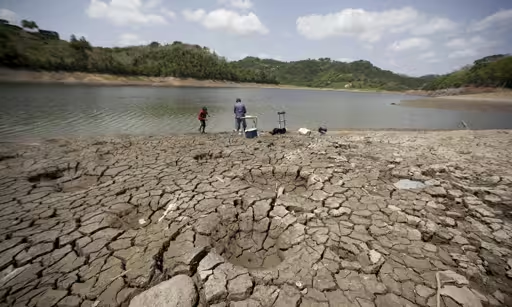
Photo: Alvin Baez / Reuters
The post Water crisis in Puerto Rico: Corruption, privatization, and political maneuvering threaten communities first appeared on Workers’ Voice/La Voz de los Trabajadores.
From Workers’ Voice/La Voz de los Trabajadores via This RSS Feed.